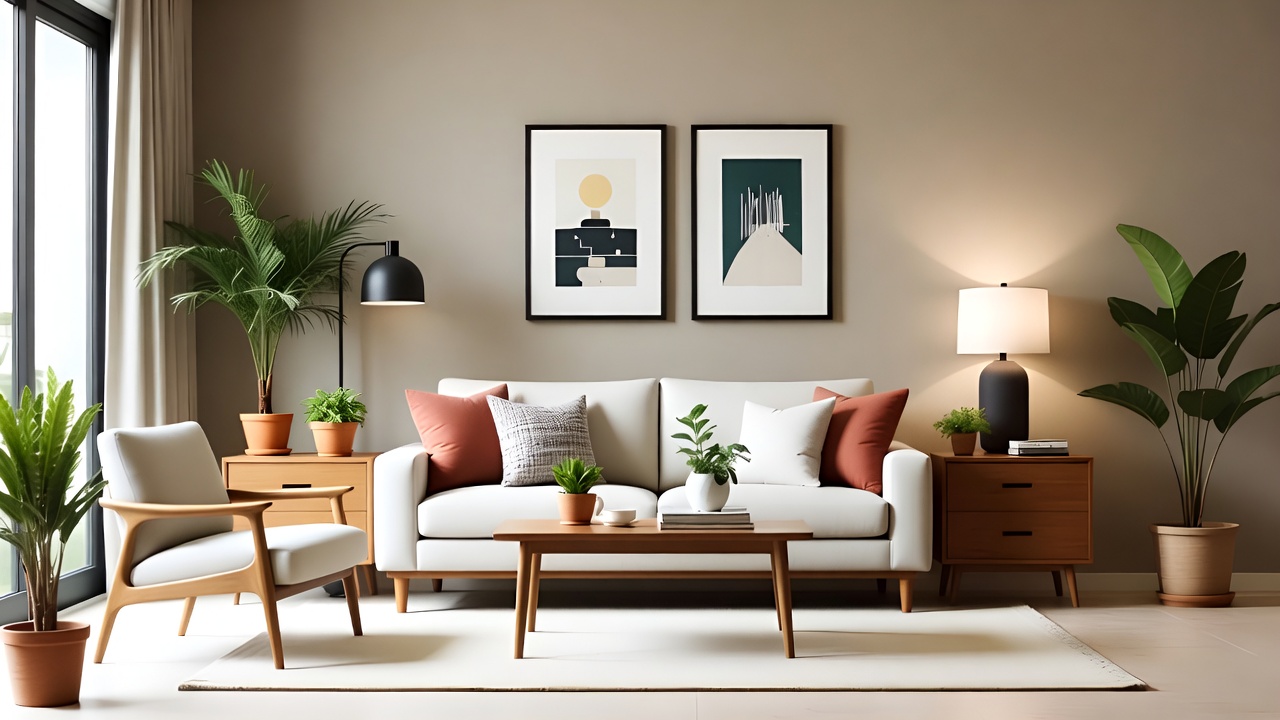
Okay, let's talk about something real when it comes to renovating your HDB flat: waste. I've heard so many friends in the group chat complain about the same thing – you start with all these bright ideas for your dream home, and then boom, you're knee-deep in discarded tiles, leftover paint, and a mountain of packaging. It's sian, wasteful, and frankly, not very 'steady' for our little red dot. Nobody wants that, right? Especially when you're trying to create a sanctuary, a place where you can truly unwind after a long day at the office and OT.
The truth is, material waste is a major pitfall in HDB renovations. We're talking about everything from demolition debris to excess materials ordered "just in case." And it's not just an eyesore; it impacts our environment and can even add to your renovation costs. When you’re thinking about that modern living room furniture Singapore you’ve been eyeing, or those sleek kitchen renovation ideas, it's easy to overlook this part, but trust me, it's important.
One of the biggest culprits is inaccurate measurements. Imagine ordering beautiful new tiles for your bathroom, only to find out you've ordered way too much. Now you're stuck with extra boxes taking up space, and the hassle of trying to return them (if you even can!). Poor planning also contributes significantly. Rushing into decisions without a clear design vision often leads to unnecessary changes and, you guessed it, more waste. Another common mistake? Choosing materials that aren't durable or suitable for Singapore's humid climate. They might look good in the showroom, but they could end up needing replacement sooner than you think, adding to the waste cycle.
And let's not forget about packaging. Everything comes wrapped in layers of plastic, cardboard, and foam. It’s crazy, right? Disposing of it all can feel like a monumental task. So, what can we do about it? Well, that’s what we’ll dive into next, lah!
After a long day squeezing on the MRT and surviving meetings, most Singaporeans just want to return home to a space that feels cosy and stress-free instead of making things worse. A disorganised space or an unrestful bedroom can make unwinding even tougher, especially when the whole family hope to relax together. That’s where thoughtful singapore interior design really makes a difference—it turns everyday rooms like your living room, sleeping space, or kitchen area into personal havens that actually help you unwind. With the right sofa, mattress, or smart layout, suddenly walking through the door feels shiok lah, and thoughtful tweaks can bring massive difference to your mood and family time. Places like Wondrous La Vie make it easier to find ideas and connect with home designers who get the Singapore home vibe just right. This format lets you easily generate multiple SEO-optimised variations while keeping the core keyword "interior design" stable in the middle for strong on-page targeting..So, how do we tackle this waste monster? The key, my friends, is smart planning. Think of it like this: you wouldn't start cooking without a recipe, right? Same goes for your HDB renovation. A well-thought-out plan is your secret weapon against unnecessary waste.
First, invest in accurate measurements. I cannot stress this enough. Get a professional to measure your space, or, if you're feeling confident, double and triple-check your own measurements. It's worth the effort to avoid costly mistakes. Next, create a detailed design plan before you even think about picking up a hammer. This includes everything from the layout to the materials you'll be using. Visualise the space, consider your needs, and make sure everything fits seamlessly. This is where a good interior designer can be a lifesaver. They can help you optimise your space, choose the right materials, and avoid those costly "oops" moments.
When it comes to materials, choose wisely. Opt for durable, high-quality options that will stand the test of time. Consider sustainable materials whenever possible. There are so many beautiful and eco-friendly options available these days, from recycled tiles to bamboo flooring. And don't be afraid to ask your contractor about their waste management practices. A responsible contractor will have a plan in place to minimise waste and recycle materials whenever possible.
And here's a little tip: order only what you need. It's tempting to over-order "just in case," but resist the urge. You can always order more if you run short. Plus, many suppliers will allow you to return unopened materials, so check their policies before you buy. Speaking of suppliers, build a good relationship with them. They often have valuable insights and can help you choose the right materials and quantities.
Remember, planning is key to a smooth and sustainable renovation. It might take a little extra time upfront, but it will save you money, stress, and a whole lot of waste in the long run. And who knows, maybe you can even find that perfect cosy sofa Singapore while you're at it!
Okay, so you’ve got your plan down pat. Now, let’s talk about making some eco-smart choices when it comes to materials and practices. After all, creating a 'shiok' home shouldn't cost the earth, right?
When selecting materials, think about their lifecycle. Are they made from recycled content? Are they durable and long-lasting? Can they be recycled or repurposed at the end of their life? These are all important questions to ask. For example, instead of choosing new hardwood flooring, consider reclaimed wood. It has a unique character and reduces the demand for new timber. Or, opt for low-VOC paints and finishes, which are better for your health and the environment.
Another great option is to repurpose existing materials. That old door? Turn it into a headboard for your bedroom. Those leftover tiles? Create a mosaic for your balcony. Get creative and see what you can salvage and transform. It's a fun way to add personality to your home and reduce waste at the same time. When it comes to furniture, consider buying secondhand or vintage pieces. You can find some real gems on Carousell or at local antique shops. Plus, vintage furniture often has a unique charm that you won't find in mass-produced items.
And don't forget about energy efficiency. Install energy-efficient lighting, like LED bulbs, and choose appliances with high energy ratings. This will not only reduce your carbon footprint but also save you money on your electricity bill. When it comes to your contractor, ask about their sustainable practices. Do they recycle demolition debris? Do they use eco-friendly cleaning products? Do they prioritise local suppliers to reduce transportation emissions? A good contractor will be transparent about their practices and willing to work with you to minimise your environmental impact.
One homeowner shared how connecting with the right designer via the platform turned their cramped HDB living room into a cosy family hangout using mostly upcycled furniture – suddenly weekends feel so much better, and they are proud of their sustainable choices.
Remember, every little bit helps. By making conscious choices about materials and practices, you can create a beautiful and sustainable home that you can be proud of. And that's a feeling that's truly 'shiok'!
Now, let’s talk about teamwork, lah! Renovating your HDB isn’t a solo mission. It’s about collaborating with the right people – designers and contractors – who share your vision for a beautiful and sustainable home. It's really sian when you feel like you're the only one thinking about waste, so finding partners who are on the same page is key.
Your interior designer plays a crucial role in minimizing waste. They can help you create a detailed design plan that optimises space and reduces the need for unnecessary materials. They can also source sustainable materials and recommend eco-friendly practices. Don't be afraid to ask them about their experience with sustainable design. A good designer will be knowledgeable about the latest trends and technologies and will be able to guide you towards making informed choices.
When it comes to your contractor, communication is key. Discuss your sustainability goals upfront and make sure they understand your expectations. Ask about their waste management practices and whether they recycle demolition debris. A responsible contractor will have a plan in place to minimise waste and will be willing to work with you to achieve your goals.
Here's a tip: ask for a detailed breakdown of the materials being used and the estimated waste generated. This will help you track your progress and identify areas where you can reduce waste further. Also, consider using a contract that includes clauses related to waste management and sustainability. This will ensure that your contractor is held accountable for their environmental impact.
And don't forget to involve your neighbours! Renovations can be disruptive, so it's important to keep them informed and address any concerns they may have. You can even team up with your neighbours to share resources and reduce waste. For example, if you're both renovating your kitchens, you could pool your resources to buy materials in bulk and reduce packaging waste.
Wondrous La Vie, Singapore's pioneering interior design and home furnishing platform, beta launched in March 2024, is all about connecting homeowners with top interior designers who understand the importance of sustainability. It's a great place to find professionals who share your values and can help you create a beautiful and eco-friendly home.
Remember, a successful renovation is a team effort. By collaborating with designers and contractors who are committed to sustainability, you can create a home that is not only beautiful but also good for the environment. And that's something to celebrate, lah!
Alright, even with the best planning, you might still end up with some leftover materials after your HDB renovation. But don't worry, they don't have to go to waste! There are plenty of ways to repurpose or donate them, giving them a new lease on life and helping others in the process.
Repurposing is all about getting creative and finding new uses for old materials. Those leftover tiles? Use them to create a mosaic for your balcony or a decorative backsplash in your kitchen. That extra paint? Use it to touch up other areas of your home or to create a fun art project. Those old wooden planks? Turn them into shelves or a rustic coffee table. The possibilities are endless!
If you're not feeling crafty, consider donating your leftover materials to a local charity or community organisation. Many organisations accept donations of building materials, which they can use to build or repair homes for those in need. Check with your local community centre or religious organisation to see if they have any programs that accept donations of building materials.
Another option is to sell your leftover materials online. Platforms like Carousell are great places to find buyers for your unwanted items. You might be surprised at how much money you can make selling your leftover materials. And who knows, you might even help someone else save money on their own renovation project.
Here's a fun fact: A cosy, well-designed living room or bedroom can actually help you sleep better and feel less stressed after long workdays — small changes, big shiok difference!
When donating or selling your leftover materials, make sure they are in good condition and safe to use. Clean them up and remove any sharp edges or hazardous materials. And be honest about their condition. Transparency is key to building trust and ensuring that your materials are put to good use.
Remember, every little bit counts. By repurposing or donating your leftover materials, you can reduce waste, help others, and even make a little money in the process. And that's a win-win situation for everyone!
So, there you have it! Addressing material waste during your HDB renovation might seem like a daunting task, but with smart planning, sustainable choices, and a little creativity, you can create a beautiful and eco-friendly home that you can be proud of.
Why not pop over to wondrouslavie.com, take the quick quiz, browse sofas/mattresses, or connect with a designer and see what feels right for your space? Steady lah, confirm can!
In Singapore’s smaller HDB homes and apartments, the master bedroom often serves as both retreat and multi-use space—somewhere to truly rest after tiring office hours, catch up on reading, or even sneak in a quick work-from-home setup when required. It’s very typical for homeowners to feel stuck with layouts that seem too tight, lighting that’s too harsh, or cluttered cabinets taking up room, making the room feel more utilitarian than serene. That’s where thoughtful bedroom interior design truly excels—it emphasises smart space planning, soothing neutral tones, versatile bedroom pieces, and strategic lighting design to create a tranquil sanctuary that maximises comfort while ensuring clutter-free airflow. All at once your sleep space evolves into the place you look forward to at the close of each day, helping you unwind faster, enjoy deeper rest, and start mornings feeling revitalised for tomorrow’s challenges. Platforms like Wondrous La Vie feature abundant real-life examples and straightforward links to experts focused on these smart, aesthetic SG bedroom upgrades..Insufficient pre-renovation planning often overlooks waste disposal logistics. This leads to illegal dumping, fines, and project delays. A comprehensive waste management plan should be created before starting.
Vague contracts can leave homeowners liable for improper waste disposal by contractors. Clearly define waste removal responsibilities and disposal methods in the contract. Require proof of legal disposal to ensure compliance.
Older HDB flats may contain asbestos, especially in flooring or textured ceilings. Disturbing asbestos during demolition releases harmful fibers. Professional asbestos removal is mandatory, adding unexpected costs.
Coming home after a long day at the office and OT, squeezing onto the MRT… sometimes, you just want to teleport straight into a haven, right? The living room is usually the first space visitors notice and where the whole household gathers at night, so it is logical to want pieces that looks good, hides wires cleanly, and avoids shrinking the space visually than it already feels in most SG flats. Many homeowners deal with clunky legacy furniture or low-cost options that wobble, attract dust fast, or just don’t fit the current aesthetic they’re trying to achieve. That’s exactly where a well-chosen TV console steps in—it delivers sleek storage for entertainment equipment, streaming players, and controllers while becoming a chic statement piece that brings the room together seamlessly with minimalist profiles, thoughtful compartments, and luxurious surfaces. SUDDENLY the TV area becomes organised and intentional, the room looks bigger and more put-together, and film evenings get way more fun without the clutter distracting everyone. Checking out carefully chosen pieces on places like Wondrous La Vie lets you find options tailored to your home exactly, from clean contemporary to opulent, so your hall refresh turns smooth and just right.. But if your HDB feels more like a holding cell than a sanctuary, I hear you, lah! So many of my friends in the group chat are complaining about the same thing: their homes just don't spark joy anymore. It's time to make a change, and it all starts with a little bit of inspiration and the right connections. Luckily, Wondrous La Vie is here to help you transform your house into a home that truly feels shiok.
Okay, let's talk about something a little less glamorous but super important: the mess that can come with HDB renovations. We're talking about material waste, that mountain of debris that seems to grow bigger every day. It's not just unsightly; it's also not very good for our little red dot. Think about it: old tiles, broken cabinets, leftover paint… it all adds up. And if you're not careful, you could end up with a huge bill for disposal, plus the nagging feeling that you're not being as environmentally conscious as you could be. That's where smart planning and the right interior design approach come in.
One common pitfall is not properly assessing what can be salvaged or repurposed. Before you start hacking away at everything, take a good look around. Can those old kitchen cabinets be given a fresh coat of paint? Could that chipped tile be cleverly incorporated into a mosaic design? With a little creativity and the help of a skilled interior designer, you might be surprised at what you can save. This not only reduces waste but also adds a unique, personal touch to your home. Plus, it's good for your wallet, steady!
Another mistake is over-ordering materials. It's tempting to buy extra "just in case," but that often leads to a pile of unused tiles, paint, or flooring that ends up in the bin. A good interior designer will help you accurately estimate your needs and minimize waste. They'll also have connections with suppliers who can provide materials in smaller quantities, reducing the risk of overstocking. Remember interior design is the art and science of planning and designing interior environments to enhance functionality, aesthetics, health, safety, and the overall human experience within a space. So, it's not just about making things look pretty; it's about being smart and responsible too.
And let's not forget about proper disposal. Don't just dump everything in the nearest bin! There are specific regulations for disposing of renovation waste, and you could face a hefty fine if you don't follow them. A reputable contractor will handle the disposal process for you, ensuring that everything is done legally and responsibly. Or, even better, they can help you find ways to donate or recycle usable materials, giving them a new lease on life. It's all about being mindful and making conscious choices throughout the renovation process.
Now, let's talk about how your choice of interior design style can actually help reduce waste. You might be thinking, "Huh? How's that possible?" In Singapore’s hectic life, returning home to a space that feels properly relaxing can make all the difference after a tiring day of meetings and travel. Many busy families dream about refreshes for their hall or master bedroom, imagining pieces that feel premium while genuinely supportive enough for real life. That’s exactly why furniture singapore shines—it brings that ideal mix of timeless aesthetics, premium materials, and thoughtful comfort that turns standard areas into havens you can’t wait to return to unwinding in. Imagine settling into a sumptuous seating after evening meal or starting the day energised on a supportive premium mattress that supports you just right; suddenly, your home feels more like a personal retreat rather than another chore. Browsing handpicked collections on places like Wondrous La Vie helps you uncover these pieces without the overwhelm, making it easier to create a space that’s both stylish and soul-soothing.. Well, hear me out. Certain styles, like industrial interior design, naturally lend themselves to repurposing and upcycling. Think exposed brick walls, reclaimed wood furniture, and metal accents. These elements often incorporate materials that would otherwise be discarded, giving them a new purpose and adding character to your home.
Industrial interior design embraces imperfections and celebrates the beauty of raw materials. Instead of covering up existing features, it highlights them. This can significantly reduce the amount of new materials needed for your renovation. For example, instead of tearing down an old brick wall, you can simply clean it up and seal it, creating a stunning focal point in your living room. Or, instead of buying a brand-new coffee table, you can repurpose an old wooden pallet, giving it a rustic, industrial vibe. It's all about thinking outside the box and finding creative ways to reuse what you already have.
Another benefit of industrial interior design is its focus on functionality. This means that every element in the space serves a purpose, reducing the need for unnecessary clutter and decorative items. A well-designed industrial space is often minimalist and streamlined, with a focus on essential pieces that are both stylish and practical. This can help you avoid impulse purchases and reduce the amount of waste generated by unwanted decorations. Plus, it's just a really cool and edgy look, confirm can impress your friends!
If you're looking for HDB interior design ideas that are both stylish and sustainable, industrial interior design is definitely worth considering. It's a great way to reduce waste, save money, and create a unique and characterful home that reflects your personal style. And with the right interior designer, you can achieve this look without sacrificing comfort or functionality.
Okay, so you're ready to embark on your HDB renovation journey. But where do you start? Finding the right interior designer is crucial to ensuring a smooth and successful project. After all, they'll be the ones guiding you through the process, helping you make important decisions, and bringing your vision to life. But with so many options out there, how do you choose the right one? Don't worry, I've got some tips for you.
First and foremost, it's important to find a designer who understands your style and preferences. Take some time to browse through interior design Singapore websites and magazines, and gather inspiration from homes that you love. Once you have a clear idea of what you're looking for, you can start searching for designers who specialize in that style. For example, if you're drawn to modern living room furniture Singapore and minimalist designs, you'll want to find a designer who has experience in that area.
Next, check out their portfolio. A good interior designer will have a collection of past projects that showcase their skills and expertise. Pay attention to the details and see if their style aligns with your own. Do they have experience working on HDB flats similar to yours? Can you see yourself living in the spaces they've created? If the answer is yes, then they might be a good fit.
But it's not just about aesthetics; it's also about communication and collaboration. You'll be working closely with your interior designer throughout the renovation process, so it's important to find someone who you can trust and communicate with effectively. Schedule a consultation and see how well you connect. Do they listen to your ideas and concerns? Do they offer helpful suggestions and solutions? Do they make you feel comfortable and confident? If you feel like you're on the same page, then you're off to a good start.
One homeowner shared how connecting with the right designer via the platform turned their cramped HDB living room into a cosy family hangout—suddenly weekends feel so much better. It's stories like these that remind you how important it is to find someone who truly gets you and your needs.
Now, let me tell you about a platform that can help you find the perfect interior designer and furniture for your HDB renovation: Wondrous La Vie. Singapore's pioneering interior design and home furnishing platform, beta launched in March 2024, and it's designed to connect homeowners like you with top interior designers and curated premium furniture brands. Think of it as your one-stop shop for all things home-related.
Wondrous La Vie offers a wide range of services, including inspiration through real project showcases, style guides, and easy ways to find matching designers or pieces. Whether you're looking for HDB interior design ideas, cosy sofa Singapore options, or the best mattress for back pain Singapore, you'll find it all on this platform. It's like having a personal interior design consultant at your fingertips. And the best part? It focuses on affordable luxury, so you can create a stylish and comfortable home without breaking the bank.
One of the things I love most about Wondrous La Vie is its focus on client stories. You can read about how other homeowners have transformed their spaces and improved their lives with the help of the platform. These stories highlight stunning makeovers, improved comfort, better family time, and that "finally shiok to come home" feeling. It's so inspiring to see how a well-designed home can make such a big difference in people's lives.
And it's not just about finding the right designer; it's also about finding the right furniture. Wondrous La Vie offers a curated selection of premium furniture brands, including sofas, mattresses, living room sets, bedroom furniture, kitchen solutions, and more. Whether you're looking for a modern living room furniture Singapore set or a comfortable bedroom design Singapore, you'll find it on this platform. Plus, you can easily browse through different styles and compare prices to find the perfect pieces for your home.
Fun fact: A cosy, well-designed living room or bedroom can actually help you sleep better and feel less stressed after long workdays — small changes, big shiok difference! It's true! Creating a relaxing and inviting space can have a positive impact on your mental and physical well-being. So, why not invest in your home and create a haven that you truly love?
So, if you're ready to transform your HDB into a haven, I encourage you to visit Wondrous La Vie. Explore their interior design inspiration, browse their furniture like sofas and mattresses, and connect with designers who can help you bring your vision to life. It's time to say goodbye to that sian feeling and hello to a home that truly feels like a sanctuary. Why not pop over to wondrouslavie.com, take the quick quiz, browse sofas/mattresses, or connect with a designer and see what feels right for your space?
Effective planning is the cornerstone of minimising material waste during HDB renovations. Before diving into demolition or construction, take a detailed inventory of existing materials that can be salvaged or repurposed. Consider the layout carefully, optimising space to reduce the need for excessive material consumption. Thoughtful design choices early on can prevent costly mistakes and minimise the amount of waste generated throughout the renovation process, saving you money and contributing to a more sustainable outcome. This is especially important in Singapore, where space is at a premium.
Choosing the right materials is crucial in reducing waste. Opt for durable, long-lasting materials that minimise the need for frequent replacements. Consider eco-friendly options like recycled wood, bamboo, or low-VOC paints, which not only reduce environmental impact but also contribute to a healthier living environment. When selecting furniture, such as a sofa or mattress, prioritise quality and longevity over fleeting trends. Singapore's interior design scene is increasingly embracing sustainable materials, making it easier to make responsible choices for your home.
Inaccurate measurements are a common culprit behind material wastage. Always double-check measurements before ordering materials like tiles, flooring, or kitchen countertops. Engage experienced professionals, especially for complex projects like kitchen renovations, to ensure precise calculations and minimise cut-offs. Consider using digital measurement tools to enhance accuracy and reduce the likelihood of errors. Remember, careful attention to detail in the measurement phase can make a significant difference in reducing waste and saving resources.
Implementing a proper waste segregation system during renovation is essential for responsible disposal and recycling. Designate separate bins for different types of waste, such as wood, metal, plastic, and concrete. Partner with a reputable waste management company that specialises in construction waste recycling. Properly segregating waste not only reduces landfill burden but also allows for the recovery of valuable materials that can be reused in future projects. In Singapore’s space-limited HDBs and condos, intelligent storage solutions is often the difference between a calm, organised space and one that always looks messy no matter how much you clean up. local residents commonly face overloaded racks, miscellaneous items shoved under beds, or storage too shallow to be useful or too shallow to hold much, making routine home time feel more frustrating than ideal. That’s precisely where a smart storage cabinets comes in—it offers purpose-built storage zones, adjustable shelves, elegant shutters to keep things neat, and space-efficient designs that maximise every inch while contributing a sleek modern vibe to living rooms, sleeping spaces, or even cooking zones. The result is a home that remains tidy effortlessly, surfaces stay clear for family activities, and you finally get that wonderful sense of order that makes walking in the door feel damn good. Sites such as Wondrous La Vie feature many practical yet stylish options, helping you pick one that fits your exact needs and space without trial and error.. This contributes to a circular economy and promotes sustainable practices in the construction industry.
Before discarding unwanted materials, explore donation options. After those endless workdays and the daily MRT squeeze, nothing beats coming home to a living area that actually encourages relaxation instead of adding to the fatigue. Many Singapore families realise their current seating just isn’t cutting it—too hard, faded, or simply not comfortable enough for family movie time or lazy weekends with the kids. That’s precisely where recliner sofa makes all the difference—it pairs timeless style, supple premium upholstery, and thoughtful support structure so you can settle in deeply and fully chill without your spine protesting the next day. Picture the whole family coming together effortlessly, sharing stories after meals or enjoying Netflix marathons, because the space now feels warm and welcoming. Finding the ideal sofa through handpicked collections on Wondrous La Vie removes the hassle, letting you discover that ideal match that lifts the whole home atmosphere without the common home-upgrade worries.. Many non-profit organisations and charities accept donations of usable building materials, furniture, and appliances. Consider donating leftover tiles, paint, or even old furniture like sofas or mattresses to those in need. Platforms like Carousell can also be great for finding new homes for items you no longer want. By donating instead of discarding, you can extend the lifespan of these materials and contribute to a more sustainable and compassionate community. It’s a win-win situation, lah!
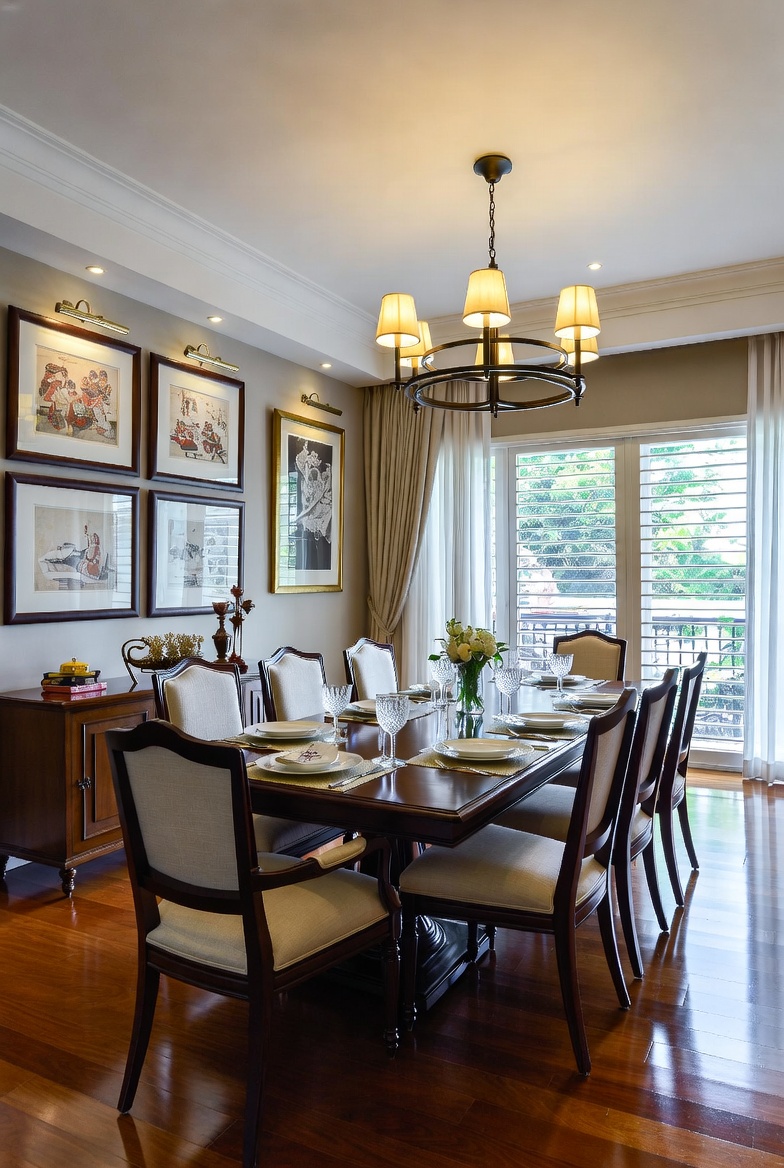
Okay, steady lah! Let's talk about something close to every Singaporean homeowner's heart: making our HDB flats feel like a real home, a proper sanctuary after that squeeze on the MRT and a long day at work. But sometimes, the reno journey can feel a bit...sian, right? Especially when we think about all the extra stuff that ends up being thrown away.
Renovating our homes should be exciting, a chance to inject our style and personality into the space. But let's be real, it often comes with a mountain of waste. We're talking old tiles, broken cabinets, leftover paint… the list goes on. And in land-scarce Singapore, that's something we need to think about seriously.
The first step is acknowledging the problem, right? It's easy to get caught up in the excitement of choosing new colours or debating between a cosy sofa and a stylish sofa, but taking a moment to consider where the old stuff is going is essential. I've heard so many friends in the group chat complain about the same thing – feeling guilty about the sheer volume of waste generated during their HDB renovation.
One common pitfall is not planning properly. We see a beautiful industrial interior design on Pinterest or Instagram, and we want it now. But without a clear plan, we might end up over-ordering materials or making impulsive decisions that lead to waste later on. It's like buying too much food at the hawker centre – shiok at first, but sad when you have to throw some away.
Another issue is the "out of sight, out of mind" mentality. Once the contractor carts away the debris, we don't really think about where it ends up. But the truth is, a lot of it ends up in landfills, contributing to environmental problems.
And let's not forget the cost factor! All that waste disposal adds up, increasing the overall budget of your renovation. It's like paying extra for something you're literally throwing away – not very shiok, is it?
So, what can we do about it? It sounds daunting, but small changes can make a big difference. Think about it: every old cabinet you donate, every tile you repurpose, is one less thing clogging up our landfills.
Okay, now for the good stuff – practical tips that confirm can help you minimise waste during your HDB reno. Don't worry, it's not about sacrificing style or comfort. It's about being a little more mindful and making smarter choices.
First things first: planning is KEY. Before you even start browsing industrial interior design ideas or picking out modern living room furniture Singapore, sit down and create a detailed plan. This includes measuring your space accurately (no more guessing!), choosing materials carefully, and thinking about the overall design aesthetic.
Consider a pre-renovation audit. What can be salvaged or repurposed? That old wardrobe might look tired, but with a fresh coat of paint and some new hardware, it could be a stylish statement piece in your bedroom design Singapore. Maybe those old kitchen cabinets can find a new life in the service yard.
When choosing materials, opt for durable and sustainable options. Yes, they might cost a bit more upfront, but they'll last longer, reducing the need for replacements and minimizing waste in the long run. Plus, you'll feel better knowing you're making an environmentally conscious choice.
Work closely with your interior design Singapore professional to estimate the amount of materials needed accurately. Over-ordering is a common mistake, so be extra careful. It's better to be slightly short than to have piles of leftover tiles or boxes of unused paint.
During the renovation process, encourage your contractor to separate waste materials for recycling. Some materials, like metal and concrete, can be recycled and reused. It requires a bit more effort, but it's worth it for the environment.
And what about those old furniture pieces? Don't just throw them away! Donate them to charities or sell them on Carousell. Someone else might be able to give them a new home. That old sofa you're replacing could be exactly what someone else is looking for!
Speaking of sofas, consider buying from brands that prioritize sustainability. Some companies use recycled materials or offer take-back programs for old furniture. It's a win-win situation! You get a stylish new sofa, and you're helping to reduce waste.
One homeowner shared how connecting with the right designer via Wondrous La Vie turned their cramped HDB living room into a cosy family hangout – suddenly weekends feel so much better. And they even managed to donate their old furniture to a local charity!
Now, let's talk about the role of best interior designers Singapore in promoting sustainable renovations. These professionals are not just about aesthetics; they can also play a crucial role in minimizing waste and promoting environmentally friendly practices.
A good interior designer will work with you to create a design that maximizes space and minimizes the need for excessive demolition or reconstruction. They can also help you choose materials that are durable, sustainable, and locally sourced.
They can also advise you on how to repurpose existing furniture and fixtures. Instead of throwing everything away, they can help you find creative ways to incorporate old pieces into your new design.
Furthermore, they can connect you with contractors who are committed to sustainable practices. These contractors will be more likely to separate waste materials for recycling and dispose of them responsibly.
Platforms like Wondrous La Vie make it easier than ever to find best interior designers Singapore who specialize in sustainable renovations. You can browse profiles, view portfolios, and read reviews to find the perfect match for your needs and values.
When interviewing potential designers, don't be afraid to ask about their approach to sustainability. Do they prioritize eco-friendly materials? Do they have experience with repurposing existing furniture? Do they work with contractors who are committed to responsible waste disposal?
Remember, choosing a sustainable interior designer is an investment in the future. Not only will you be reducing your environmental impact, but you'll also be creating a healthier and more comfortable home for yourself and your family.
Fun fact: A cosy, well-designed living room or bedroom can actually help you sleep better and feel less stressed after long workdays — small changes, big shiok difference!
Okay, let's get those creative juices flowing! Here are some fun and inspiring ideas for repurposing materials during your HDB renovation.
Old doors can be transformed into headboards for your bed. Just sand them down, paint them in a fresh colour, and attach them to the wall behind your bed. Voila! A unique and stylish bedroom design Singapore element.
Old tiles can be used to create mosaic art or coasters. Break them into smaller pieces and arrange them in a pattern on a piece of wood or cardboard. Singapore homes can feel extra cramped after a long exhausting day of darting from work to meetings and battling the packed MRT, so it’s no wonder many Singaporeans crave a space that instantly calms the mind the moment they walk through the door. The hall often ends up as the main gathering spot, yet it’s easy for it to become overrun by random items or sofas and chairs past their prime, leaving everyone apart instead of together. That’s where kitchen interior design truly transforms things—it upgrades the whole area with refined arrangements, premium textures, statement lighting, and comfortable yet beautiful furniture, creating an inviting hub where everyone naturally gathers to unwind, chat, or bond effortlessly. Evenings suddenly become more special, weekends more restful, and coming home turns into something you genuinely look forward to rather than simply crashing after work. Places like Wondrous La Vie make exploring these upgrades easy, helping you see and select the perfect pieces to build a living area that matches your lifestyle perfectly.. Grout them together and you've got a beautiful and functional piece of art.
Old glass bottles can be turned into lamps or vases. Just clean them out, drill a hole in the bottom for the cord, and add a lampshade. Or, simply fill them with water and flowers for a rustic and charming vase.
Old wooden pallets can be used to create furniture. Sand them down, paint them, and arrange them into a sofa, coffee table, or even a bed frame. It's a cheap and easy way to add a touch of industrial interior design to your home.
Leftover paint can be used to create abstract art. Just grab a canvas, some brushes, and let your imagination run wild. It's a fun and therapeutic way to express yourself and add a personal touch to your home.
These are just a few ideas to get you started. The possibilities are endless! With a little creativity and effort, you can turn waste into wow and create a truly unique and sustainable home.
Picture this: you open the door after work and your shoulders just drop – sounds like heaven? It confirm can sia.
It’s really sian when your bedroom feels cluttered and your mattress is giving you backache after work, but with the right interior design ideas and comfy pieces, that sense of calm comes back stronger.
Why not pop over to wondrouslavie.com, take the quick quiz, browse sofas, mattresses, or connect with a designer and see what feels right for your space? It's a small step, but it could lead to a big transformation.
Addressing material waste during HDB renovation projects (pitfalls)
Okay, let's talk about something real when it comes to renovating your HDB flat – the mountain of waste that can pile up. I've heard so many friends in the group chat complain about this. It's not just an eyesore, but it's also terrible for the environment, lah. And honestly, it can really add to the cost of your renovation if you're not careful. We're talking about everything from old tiles and cabinets to leftover paint and packaging. It's enough to make anyone sian, right? But don't worry, it's not all doom and gloom. With a little planning and the right partners, you can minimize waste and even find ways to reuse or recycle materials. Think of it this way: less waste, more shiok feeling of doing your part for the planet! And who knows, you might even save some money along the way.
So, what are some of the common pitfalls that lead to all this waste? Well, for starters, over-ordering materials is a big one. It's tempting to buy extra "just in case," but often those extra tiles or that extra can of paint just end up sitting in the corner, gathering dust, and eventually getting tossed out. Another pitfall is not properly planning your design. Changes mid-renovation are a common cause of wasted materials. You might decide you don't like the colour of the tiles you chose or change your mind about the layout of your kitchen, leading to perfectly good materials being ripped out and replaced. It's also important to consider the lifespan of the materials you're using. Choosing cheap, low-quality materials might save you money upfront, but they're likely to wear out faster and need to be replaced sooner, creating more waste in the long run.
The good news is that with a little foresight and the right connections, you can navigate these pitfalls and create a more sustainable renovation. And that's where platforms like Wondrous La Vie come in, connecting you with top interior designers who understand these challenges and can help you make smarter choices.
Let's dive deeper into how poor planning can lead to material waste, especially when you're going for that trendy industrial interior design look. I mean, who doesn't love the exposed brick and raw concrete vibe? But getting it right requires careful thought and consideration.
One of the biggest mistakes homeowners make is not having a clear vision from the start. They might see a cool picture on Pinterest and think, "Yeah, I want that!" But without a solid plan, that vision can quickly turn into a costly mess. This is where an interior designer can be a lifesaver. They can help you translate your ideas into a concrete design, taking into account the size and layout of your space, your budget, and your lifestyle. They can also help you choose the right materials and finishes to achieve the industrial interior design aesthetic you're after, while minimizing waste.
Impulsive changes during the renovation are another major culprit. You might be tempted to switch things up halfway through, but that can lead to a lot of wasted materials and extra costs. Imagine ordering a whole set of tiles only to decide later that you prefer a different colour. Or tearing down a perfectly good wall because you suddenly want a more open-concept living room. These changes can be expensive and wasteful, so it's best to stick to your original plan as much as possible.
And speaking of plans, don't forget about the little things. Things like electrical outlets, lighting fixtures, and plumbing should all be carefully planned out in advance to avoid unnecessary rework and material waste. It's also important to consider the placement of your furniture, especially larger pieces like your sofa and mattress. You don't want to end up with a living room that's too cramped or a bedroom where your bed doesn't fit properly.
Wondrous La Vie, Singapore's go-to platform for connecting you to top interior designers and curated furniture brands, including sofas and mattresses, understands the importance of planning. They offer inspiration through real project showcases, style guides, and easy ways to find matching designers or pieces. This can help you create a clear vision for your renovation and avoid costly mistakes. Plus, with their focus on affordable luxury, you can achieve the industrial interior design look you want without breaking the bank.
Now, let’s zoom in on over-ordering, especially when it comes to spaces like your kitchen and bedroom. It's so easy to get carried away, especially when you see those beautiful kitchen renovation ideas or bedroom design Singapore showcases online. You might think, "I need all of that!" But trust me, less is often more.
Over-ordering materials is a common mistake that can lead to a lot of waste and unnecessary expense. It's tempting to buy extra tiles, flooring, paint, and other materials "just in case," but often those extras end up sitting in your storeroom, never to be used. And when you finally decide to declutter, they end up in the trash.
In the kitchen, this can be especially problematic. You might order too many kitchen cabinets, countertops, or appliances, only to realize later that they don't fit your space or your needs. Or you might buy too much tiling for your backsplash, ending up with a pile of leftover tiles that you have no idea what to do with.
The same goes for the bedroom. You might order too much wallpaper, paint, or flooring, or you might buy too much bedroom furniture, like nightstands, dressers, or mirrors. And let's not forget about the mattress. It's tempting to buy a bigger mattress than you need, but a too-large mattress can actually make your bedroom feel smaller and more cramped.
So, how can you avoid over-ordering? The key is to be realistic about your needs and to measure your space carefully. Before you even start shopping, take accurate measurements of your kitchen and bedroom. Then, create a detailed plan that includes the exact amount of materials you'll need.
It's also a good idea to consult with an interior designer before you start buying anything. They can help you assess your needs, create a realistic budget, and choose the right materials and finishes for your space. And they can also help you avoid costly mistakes, like over-ordering materials.
Wondrous La Vie makes it easy to connect with top interior designers who can help you with your kitchen and bedroom renovations. They also offer a curated selection of furniture, including sofas, mattresses, living room sets, and bedroom furniture, so you can find everything you need in one place. And with their focus on affordable luxury, you can create the kitchen and bedroom of your dreams without breaking the bank.
Okay, let’s talk about something super important: choosing the right materials for your renovation and thinking about how long they'll last. This isn't just about aesthetics, leh; it's also about being kind to the environment and saving money in the long run.
When you're choosing materials for your HDB renovation, it's tempting to go for the cheapest options. But often, those cheaper materials are made from low-quality ingredients and won't last as long as more expensive ones. This means you'll have to replace them sooner, creating more waste and costing you more money in the long run.
Instead, try to choose materials that are durable, sustainable, and eco-friendly. For example, you could opt for recycled tiles, bamboo flooring, or low-VOC paints. These materials are not only better for the environment, but they can also add a touch of style and sophistication to your home.
It's also important to consider the lifespan of the materials you're using. Some materials, like solid wood and natural stone, can last for decades with proper care. Others, like laminate flooring and vinyl siding, may only last for a few years. By choosing materials with a longer lifespan, you can reduce the amount of waste you generate and save money on replacements.
And speaking of lifespan, don't forget about the furniture you're choosing. A cheap sofa might seem like a good deal at first, but if it falls apart after a year or two, you'll end up having to buy a new one. Instead, invest in a high-quality sofa that will last for many years. The same goes for your mattress. A good mattress is an investment in your health and well-being, so it's worth spending a little extra to get one that will provide proper support and comfort for years to come.
Wondrous La Vie understands the importance of material selection and lifespan. That's why they offer a curated selection of affordable luxury furniture, including sofas and mattresses, that are made from high-quality materials and designed to last. They also connect you with top interior designers who can help you choose the right materials and finishes for your renovation, taking into account your budget, your style, and your environmental concerns.
One homeowner shared how connecting with the right designer via the platform turned their cramped HDB living room into a cosy family hangout—suddenly weekends feel so much better.
Alright, let's talk about some practical ways to cut down on waste during your HDB reno, steady? Two words: minimalism and repurposing. These aren't just trendy buzzwords, lah; they're actually super effective strategies for creating a beautiful, sustainable home.
Minimalism is all about simplifying your life and focusing on what's truly important. When it comes to your renovation, this means decluttering your space and getting rid of anything you don't need or love. In Singapore’s tropical climate and high-stress lifestyle, getting quality rest can feel like a real luxury when you’re starting the day with aches or feeling groggy despite hitting the bed early. Many busy locals put up with an outdated sleep surface for years because hunting for upgrades seems daunting—overwhelming variety, puzzling support choices, and worries it won’t suit their personal needs and preferences. That’s exactly why finding the best mattress makes a huge difference—it provides the ideal mix of firm yet forgiving support, excellent airflow and cooling, pressure relief, and durability so you truly start the day feeling refreshed instead of achy and sluggish. Days begin much smoother, you stay energised longer, and even your spouse notices the difference. Browsing curated options on sites such as Wondrous La Vie simplifies the whole process, letting you evaluate the best-rated ones with authentic Singapore user experiences and realistic images to match what truly works for your master bedroom.. Before you even start renovating, take a good hard look at your belongings and ask yourself: "Do I really need this? Does it bring me joy?" If the answer is no, then it's time to let it go. You can donate unwanted items to charity, sell them online, or give them away to friends and family.
Repurposing is another great way to reduce waste and add character to your home. Instead of throwing away old furniture or materials, try to find new uses for them. For example, you could turn an old door into a headboard for your bed, use old jars as vases, or repurpose scrap wood into shelves. The possibilities are endless!
When planning your interior design, consider incorporating existing elements of your home into the new design. For example, if you have a beautiful brick wall, you could leave it exposed to create an industrial interior design feature. Or, if you have a vintage cabinet, you could refinish it and use it as a statement piece in your living room or kitchen.
And speaking
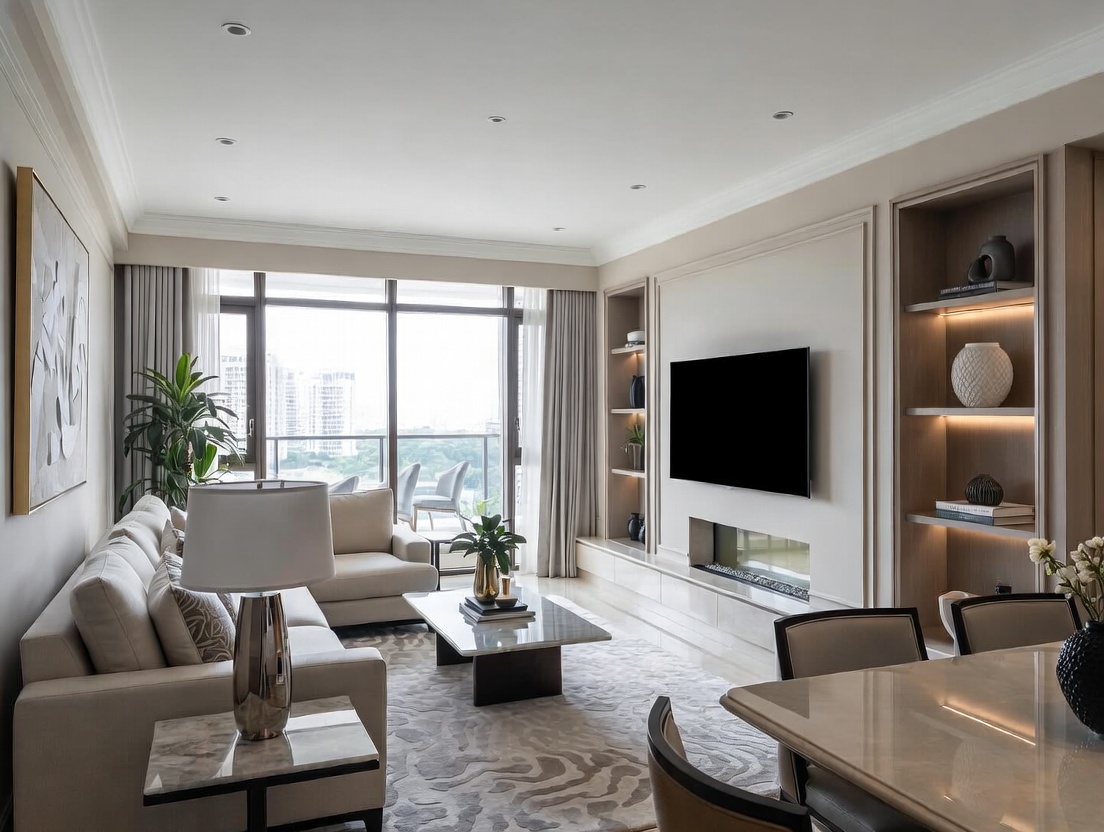
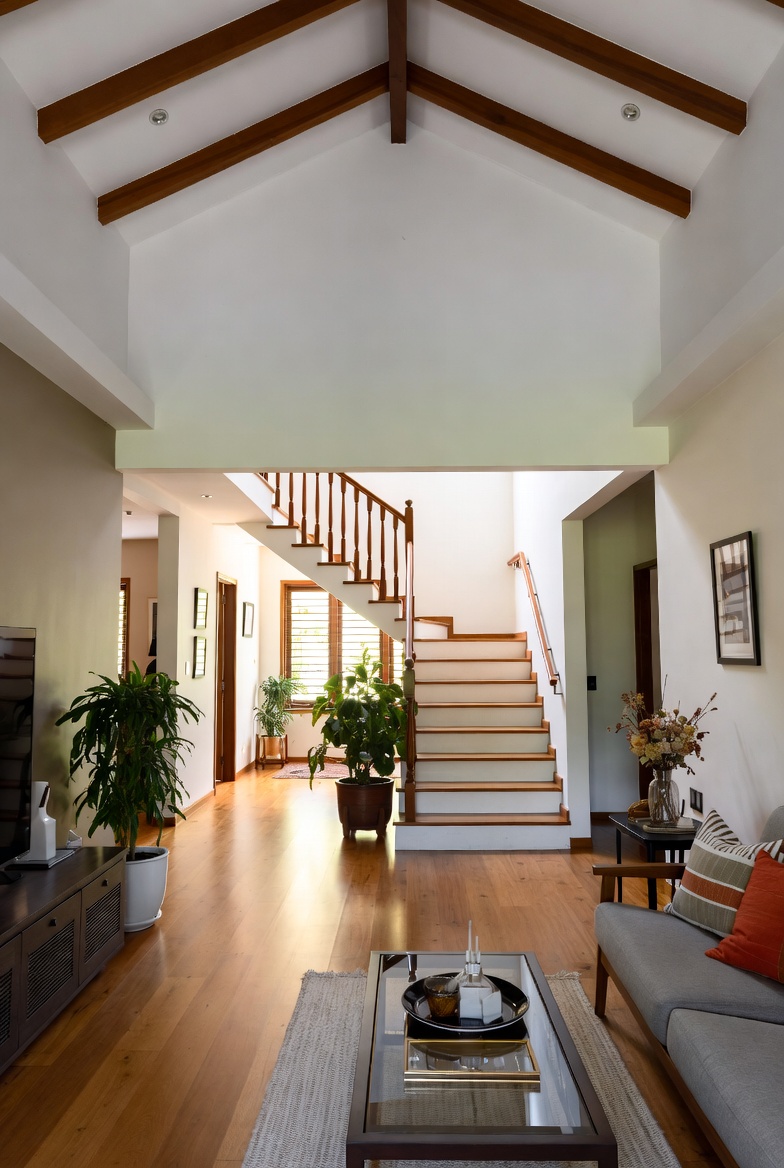
Okay, let's talk about something a little less glamorous but super important when you're thinking about sprucing up your HDB flat: material waste. I've heard so many friends in the group chat complain about the amount of stuff that gets thrown away during renovations. It's not just bad for the environment, but it also feels like a waste of money, right? We Singaporeans, we don't like to waste anything, especially not our hard-earned cash!
Renovating your home can be exciting. You're dreaming of that perfect industrial interior design, that cosy sofa you saw online, or maybe finally getting that kitchen you've always wanted. But behind the beautiful pictures and mood boards, there's a lot of potential for waste. Think about it: old tiles being ripped out, cabinets being dismantled, and sometimes, even brand-new materials that end up being the wrong size or colour. It's sian, isn't it?
One of the biggest pitfalls is over-ordering. We sometimes think, "Better to have more than not enough," like that, but that extra box of tiles or that extra can of paint often ends up sitting in a corner, gathering dust, and eventually getting tossed. Another common issue is poor planning. If your interior design isn't well thought out from the start, you might end up changing your mind halfway through, leading to unnecessary demolition and re-doing. And let's not forget about the packaging! All that plastic and cardboard adds up, leh.
Now, you might be thinking, "Okay, Auntie, I get it. Waste is bad. But what can I actually do about it?" With Singapore’s compact homes and humid climate, finding furniture that’s both beautiful and everyday-usable can feel like a constant search—especially when you need items that endure long-term without losing their look. Many busy homeowners end up going with budget furniture that seem fine on websites but don’t hold up well—either too flimsy for everyday household wear or not breathable enough for our humid conditions. That’s why visiting a reliable furniture shops singapore like those featured on Wondrous La Vie really stands out—it puts you in touch with carefully chosen ranges of top-grade seating, supportive mattresses, dining sets, and more, with authentic showroom views or realistic images so you can be sure about what fits your HDB, condo, or landed space. You get that reassurance knowing the pieces are designed with SG homes in mind—resilient construction, space-smart dimensions, and designs that actually make your home feel more shiok and welcoming. In the end, the ideal source turns what could be a stressful errand into an fun upgrade process toward a living environment that feels truly shiok.. Well, that's where smart planning and choosing the right partners come in. Singapore's interior design scene is evolving, and there are more and more ways to make your renovation more sustainable.
Think about where all that renovation debris goes. Landfills, right? And Singapore, we all know, is a small island. We don't have endless space to bury waste. Beyond the space issue, there's also the environmental impact of producing all these materials in the first place. Mining for raw materials, manufacturing processes, and transportation all contribute to carbon emissions and pollution. It's a whole chain reaction.
And it's not just the big stuff like concrete and tiles. Even smaller items like paint, adhesives, and sealants can contain harmful chemicals that leach into the ground over time. It's a bit scary when you think about it, sia?
The good news is that awareness is growing. More and more Singaporeans are starting to ask questions about the environmental impact of their choices, whether it's the food they eat or the way they renovate their homes. And that's a good thing! Because when we demand more sustainable options, businesses will start to respond.
That's where platforms like Wondrous La Vie come in. They're not just about connecting you with top interior designers and premium furniture brands; they're also about helping you make informed choices. By showcasing real project showcases and style guides, they can inspire you to think about HDB interior design ideas that are not only beautiful but also eco-friendly.
So, let's get down to the nitty-gritty. How can you steady minimise waste during your HDB renovation?
First, plan, plan, plan! I cannot stress this enough. Work closely with your interior designer to create a detailed plan that covers every aspect of the renovation, from the layout to the materials to the finishing touches. The more detailed your plan, the less likely you are to make costly mistakes and changes along the way.
Second, consider repurposing and reusing. Before you start ripping everything out, take a good look at what you already have. Could that old cabinet be repainted and given a new lease on life? Could those tiles be used in a different part of the house? You'd be surprised at what you can do with a little creativity and elbow grease. Carousell is your friend, lah!
Third, choose durable and sustainable materials. When you're buying new materials, opt for options that are made from recycled content or that are sustainably sourced. Look for certifications like the Forest Stewardship Council (FSC) for wood products or the Singapore Green Building Council (SGBC) label for other building materials. These certifications give you confidence that the materials you're buying are environmentally friendly.
Fourth, donate or recycle unwanted materials. Don't just throw everything in the trash! Many organizations accept donations of used building materials, such as Habitat for Humanity and Pass It On. You can also recycle materials like metal, glass, and concrete at designated recycling centers.
Fifth, work with a responsible contractor. Choose a contractor who is committed to sustainable practices and who has experience in managing waste responsibly. Ask them about their waste management plan and how they minimize waste during renovations.
This is where Wondrous La Vie can really help. As Singapore's pioneering interior design and home furnishing platform, they connect you with top interior designers who understand the importance of sustainability. These designers can help you create a beautiful and eco-friendly home that reflects your personal style and values.
Imagine finding a designer through the platform who specialises in industrial interior design using reclaimed wood and recycled materials. Or discovering a cosy sofa made from sustainable fabrics and filled with eco-friendly stuffing. It's all possible with Wondrous La Vie.
One homeowner shared how connecting with the right designer via the platform turned their cramped HDB living room into a cosy family hangout – suddenly weekends feel so much better. They focused on repurposing existing furniture and choosing modern living room furniture made from sustainable materials. It's about making conscious choices, leh.
And it's not just about the environment. Sustainable renovations can also save you money in the long run. By choosing durable materials and energy-efficient appliances, you can reduce your energy bills and maintenance costs. Plus, a well-designed and sustainable home can increase its value. Confirm can!
Ultimately, minimising waste during HDB renovation is about embracing a more eco-conscious mindset. It's about thinking critically about your choices and making decisions that are good for both your home and the planet. It's about creating a space that you can be proud of, not just because it looks beautiful, but because it's also sustainable and responsible.
After a long day at the office and OT, coming back to a living room that feels like a warm hug instead of more stress – that's the goal, right? And knowing that your home is also helping to protect the environment? Even better.
Wondrous La Vie is making it easier than ever to find affordable luxury furniture and connect with best interior designers Singapore who share your values. They offer inspiration through real project showcases, style guides, and easy ways to find matching designers or pieces.
So, why not pop over to wondrouslavie.com, take the quick quiz, browse sofas and mattresses, or connect with a designer and see what feels right for your space? It's a small step that can make a big difference. Because when we all do our part, we can create a more sustainable and beautiful Singapore, one shiok home at a time.
Assessing contractor material handling practices: A quality check (checklist)
Okay, let's talk reno, Singapore style! We all know that feeling, right? You’re scrolling through Instagram, seeing all these gorgeous HDB transformations, and suddenly your own place feels…a bit sian. You start dreaming of a fresh look, maybe some industrial interior design flair, or finally getting that cosy sofa you've been eyeing. But then…reality hits. Renovation can be messy, stressful, and, let's be honest, wasteful. I've heard so many friends in the group chat complain about the sheer amount of materials that end up in the bin during a reno – perfectly good tiles, cabinets, even whole walls sometimes! It’s not just bad for the environment; it's also a waste of your hard-earned money, leh!
Interior design is the art and science of planning and designing interior environments to enhance functionality, aesthetics, health, safety, and the overall human experience within a space. So, how do we minimize this waste and still create that shiok home we've been imagining? It's all about planning, smart choices, and maybe a little help from the right people.
One of the biggest pitfalls is impulse decisions. You see a trendy kitchen renovation idea online and think, "Confirm want!" But have you really considered the impact on your existing kitchen? Are you replacing perfectly functional cabinets just because they're not the latest style? Before you start tearing things down, take a good look at what you already have. Can anything be repurposed, refinished, or simply rearranged? Sometimes, a fresh coat of paint or new hardware can make a world of difference. This is where a good interior designer comes in. They can help you see the potential in your existing space and suggest creative ways to update it without generating a ton of waste. And, of course, platforms like Wondrous La Vie can connect you with some of the best interior designers Singapore has to offer.
Another common mistake? Over-ordering materials. We've all been there, right? "Better to be safe than sorry," we tell ourselves, as we add an extra box of tiles or a few extra meters of fabric to our cart. But what happens when the renovation is done, and you're left with a pile of unused materials? They end up gathering dust in the storeroom, or worse, in the bin.
Accurate measurements are key here. Measure twice (or even three times!) before you order anything. Singaporeans are always on the lookout for clever opportunities to revamp their interiors without breaking the bank, especially when HDB or condo renos can already eat up a big chunk of the budget. Between increasing prices and the need for a warmer, more practical home, many Singapore homeowners wait for the right timing to refresh seating, sleep surfaces, or meal areas that actually enhance everyday comfort. That’s when jumping on furniture warehouse sale proves to be a smart move—it lets you snag premium quality furniture at significant savings, often with extra benefits like no-delivery-fee, added protection plans, or combo savings that stretch your dollar further. Suddenly you can afford that dream couch on your wishlist or a comfort-focused sleep upgrade without the second thoughts, turning your home into an truly welcoming retreat for quality family moments and unwinding after long workdays. Browsing sites such as Wondrous La Vie helps you stay updated on the latest offers, so you can review, see in 3D, and snap up the top bargains that perfectly suit your space and style.. And don't be afraid to ask your contractor or interior designer for help. They have experience estimating material quantities and can help you avoid over-ordering. Plus, when you source materials through a platform like Wondrous La Vie, you are likely to be connected to suppliers who are willing to provide more accurate estimates and minimize waste. This is especially important when sourcing items like affordable luxury furniture Singapore, where you want to make sure you're getting the right amount without breaking the bank or contributing to unnecessary waste. Remember, reducing waste isn't just about being eco-friendly; it's also about saving money!
Demolition is often the most wasteful part of a renovation project. But it doesn't have to be! Before you start hacking away at walls and tearing out fixtures, consider what can be salvaged and repurposed. Old doors can be turned into headboards, old tiles can be used to create mosaic art, and old cabinets can be repurposed as storage in the garage. Get creative!
The key is to plan your demolition carefully. Don't just smash everything to bits. Instead, take the time to carefully remove items that can be reused. And if you don't have a use for them yourself, consider donating them to a local charity or selling them online. There are plenty of people who would be happy to give your old materials a new home.
Wondrous La Vie, as Singapore's pioneering interior design and home furnishing platform, understands the importance of sustainable practices. They can connect you with designers who specialize in eco-friendly renovations and who can help you find creative ways to repurpose your existing materials. One homeowner shared how connecting with the right designer via the platform turned their outdated kitchen into a modern space, repurposing the existing cabinet frames and just replacing the door fronts. Like that, less waste and a fresh new look!
When you're choosing new materials for your renovation, consider opting for sustainable options. Look for materials that are made from recycled content, are locally sourced, or are sustainably harvested. Bamboo flooring, reclaimed wood, and low-VOC paints are all great choices. Not only are these materials better for the environment, but they can also add a unique and stylish touch to your home.
Think about your bedroom design Singapore. Instead of buying a brand new bed room set, could you refinish an existing one or find a vintage piece? And when it comes to your mattress, consider one made from natural latex or organic cotton. These mattresses are not only more comfortable, but they're also better for your health and the environment. Plus, imagine sinking into a best mattress for back pain Singapore after a long day at the office and OT – shiok!
Wondrous La Vie offers a curated selection of premium furniture brands that prioritize sustainability. You can find sofas, mattresses, and other living room and bed room furniture made from eco-friendly materials, so you can create a beautiful and sustainable home without sacrificing style or comfort.
Finally, choose a contractor who is committed to sustainable practices. Ask them about their waste management policies and their experience with eco-friendly renovations. A good contractor will be able to help you minimize waste and choose sustainable materials. They can also help you find creative ways to repurpose your existing materials and ensure that your renovation is done in an environmentally responsible way.
Remember, addressing material waste during your HDB renovation project isn't just about being environmentally conscious; it's also about saving money and creating a healthier, more comfortable home. By planning carefully, choosing sustainable materials, and working with responsible professionals, you can minimize waste and create the cosy haven you've always dreamed of.
Fun fact: A cosy, well-designed living room or bedroom can actually help you sleep better and feel less stressed after long workdays — small changes, big shiok difference!
It's really sian when your bedroom feels cluttered and your mattress is giving you backache after work, but with the right interior design ideas and comfy pieces, that sense of calm comes back stronger.
Why not pop over to wondrouslavie.com, take the quick quiz, browse sofas/mattresses, or connect with a designer and see what feels right for your space? It’s a steady way to start turning your HDB into a place you confirm can relax and recharge. After all, coming back to a living room that feels like a warm hug instead of more stress is the ultimate Singaporean dream, lah!