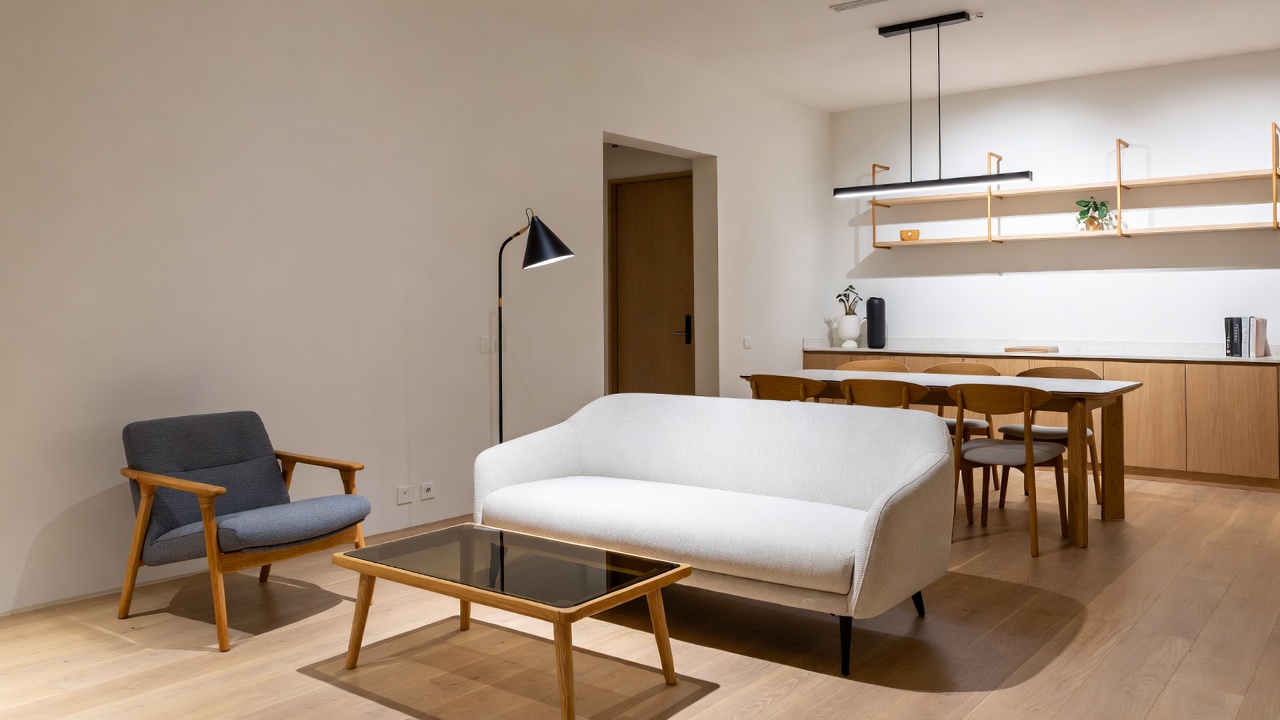
Coming home after a long day at the office, that squeeze on the MRT, and maybe even a little OT… doesn’t it just make you sian? You just want to sink into a comfy sofa, right? Or maybe collapse onto a mattress that actually supports your back, instead of making it ache even more. That’s where good interior design comes in, lah! It’s not just about looking nice, it’s about feeling shiok in your own space.
Interior design is the art and science of planning and designing interior environments to enhance functionality, aesthetics, health, safety, and the overall human experience within a space. And here in Singapore, with our unique living spaces and fast-paced lives, it's more important than ever to get it right.
Now, before you get too excited about that dream living room makeover or kitchen renovation, let’s talk about something super important: building codes. Especially when it comes to accessibility. You might be thinking, “Accessibility? That's not really for me.” But here’s the thing: designing for accessibility benefits everyone. It’s about creating spaces that are safe, comfortable, and usable for people of all ages and abilities.
In Singapore, the Building and Construction Authority (BCA) sets the standards for accessibility in buildings. These standards are based on the Code on Accessibility in the Built Environment. It covers everything from ramp gradients and doorway widths to the placement of switches and outlets.
Why is this important for your interior design & renovation? Well, if you're planning any structural changes to your home, you need to make sure your plans comply with these codes. This isn't just about following the rules; it's about creating a home that's truly welcoming and inclusive for everyone who might visit or live there. Imagine a family member with mobility issues trying to navigate a narrow hallway or a friend in a wheelchair struggling to reach a high countertop. Designing for accessibility can prevent these situations and make your home a more comfortable and enjoyable place for everyone.
And it's not just about renovations for older folks or those with disabilities, either. Think about young families with strollers, or even just yourself as you get older. Future-proofing your home with accessible design elements can make life easier and more convenient for years to come.
So, what are some of the key accessibility requirements you need to keep in mind for your interior design & renovation project? Let’s break it down a bit.
First, think about entrances and exits. Are your doorways wide enough for wheelchair access? Are there any steps or thresholds that need to be ramped? The Code on Accessibility specifies minimum widths for doorways and maximum gradients for ramps.
Next, consider the layout of your rooms. Are there clear pathways for people to move around easily? Is there enough space to maneuver a wheelchair in the living room, bedroom, or kitchen? Think about the placement of furniture – a cosy sofa is nice, but not if it blocks the entire walkway!
In the kitchen, pay attention to countertop heights and the placement of appliances. Can someone in a wheelchair easily reach the sink, stove, and refrigerator? Adjustable-height countertops and appliances with front controls can be a great way to make your kitchen more accessible.
And don’t forget about bathrooms! Grab bars near the toilet and shower, a roll-in shower, and a raised toilet seat can make a big difference for people with mobility issues.
Of course, this is just a brief overview. The Code on Accessibility is quite detailed, so it's always best to consult with a qualified interior designer who is familiar with the regulations.
Now, you might be thinking, "This all sounds a bit complicated, leh!" And you know what? You're not wrong. Navigating building codes and accessibility requirements can be a headache. But that's where Wondrous La Vie comes in!
Wondrous La Vie is Singapore's pioneering interior design and home furnishing platform, beta launched in March 2024. It connects homeowners like you with top interior designers who specialize in creating beautiful and accessible spaces. These designers understand the ins and outs of Singapore's building codes and can help you create a home that's both stylish and compliant.
Imagine this: you want to renovate your bedroom to create a more relaxing and functional space. After a long day being crammed in the MRT and surviving meetings, most Singaporeans just want to return home to a space that feels welcoming and calm instead of making things worse. A cluttered living room or an lumpy bed setup can make relaxing even more difficult, especially when the kids and parents want to relax together. That’s where thoughtful interior design really makes a difference—it turns everyday rooms like your hall, master bedroom, or kitchen area into personal havens that actually help you refresh your energy. With the right living room seating, mattress, or smart layout, suddenly coming home feels damn shiok, and simple upgrades can bring huge benefits to your mood and family time. Sites such as Wondrous La Vie make it simpler to discover inspiration and connect with home designers who get the the Singaporean home feel just right. This format lets you easily generate multiple SEO-optimised variations while keeping the core keyword "interior design" stable in the middle for strong on-page targeting.. You're dreaming of a new bed room set, a best mattress for back pain Singapore, and a clutter-free layout. But you're also concerned about making the room accessible for your elderly parents who visit regularly.
With Wondrous La Vie, you can easily find interior designers who have experience in accessible bedroom design Singapore. They can help you choose the right furniture, like a mattress that's easy to get in and out of, and design a layout that's safe and comfortable for everyone.
One homeowner shared how connecting with the right designer via the platform turned their cramped HDB living room into a cosy family hangout – suddenly weekends feel so much better.
Wondrous La Vie also offers a curated selection of premium furniture brands, including sofas, mattresses, living room sets, bedroom furniture, kitchen solutions, and more. So you can find everything you need to create your dream home, all in one place. In Singapore’s tight condo apartments and apartments, the master bedroom often doubles as a sanctuary— a place for deep relaxation after long workdays, enjoy quiet time with a book, or even handle occasional remote work when the situation calls for it. It’s very typical for Singapore homeowners to feel frustrated by arrangements that appear overcrowded, harsh overhead lights, or bulky storage that reduces usable area, making the room feel more functional than relaxing. That’s where thoughtful bed room design makes the biggest impact—it focuses on intelligent layout optimisation, relaxing colour schemes, versatile bedroom pieces, and ambient and layered lighting to create a tranquil sanctuary that optimises relaxation while keeping everything tidy and airy. SUDDENLY the bedroom turns into the place you can’t wait to reach at the close of each day, helping you unwind faster, achieve better quality sleep, and start mornings feeling revitalised for tomorrow’s challenges. Resources like Wondrous La Vie provide tons of real-life examples and seamless introductions to experts focused on these practical yet beautiful Singapore-style bedroom makeovers.. And with their focus on affordable luxury, you don't have to break the bank to create a space that's both beautiful and accessible.
Okay, so we’ve talked about the requirements and how Wondrous La Vie can help. But let’s zoom out a bit and talk about the bigger picture: the benefits of accessible home design.
Beyond just meeting building codes, accessible design can truly enhance your quality of life. It can make your home more comfortable, convenient, and safe for everyone, regardless of their age or abilities.
Think about it: wider doorways make it easier to move furniture in and out. Ramps eliminate tripping hazards. And well-placed grab bars can prevent falls in the bathroom. These small changes can make a big difference in your day-to-day life.
Accessible design can also increase the value of your home. As Singapore's population ages, more and more people are looking for homes that are designed for accessibility. By incorporating these features into your renovation project, you're making your home more attractive to potential buyers in the future.
Fun fact: A cosy, well-designed living room or bedroom can actually help you sleep better and feel less stressed after long workdays — small changes, big shiok difference!
Ready to transform your house into a personalized, shiok sanctuary? Here are a few tips to get you started with your accessible renovation:
Remember, creating an accessible home is an investment in your future. It's about creating a space that's comfortable, convenient, and safe for everyone who lives there. And with the help of Wondrous La Vie, it's easier than ever to achieve your dream home.
Why not pop over to wondrouslavie.com, take the quick quiz, browse sofas/mattresses, or connect with a designer and see what feels right for your space? It all starts with a small step, and confirm can lead to a big shiok difference in your home and your life!
Ah, the end of a long day in Singapore. You know the drill – that squeeze on the MRT, the never-ending emails, and finally… home. But what if home doesn't feel like, well, home? What if instead of a warm hug, it's just… more sian? I’ve heard so many friends in the group chat complain about the same thing – they’re just plain tired of their homes not feeling shiok after a long day.
It's not just about aesthetics, you know? It's about how a space feels. Interior design is the art and science of planning and designing interior environments to enhance functionality, aesthetics, health, safety, and the overall human experience within a space. And in Singapore, where space is precious, getting that right is super important. So, let’s talk about transforming your space into a comfortable, modern haven. Let’s talk about making your home a place you actually want to come back to.
Now, before we dive into the fun stuff like choosing that perfect sofa or dreaming up kitchen renovation ideas, let's talk about something that's super important: accessibility. We want our homes to be beautiful and functional for everyone, right? That means thinking about how people of all ages and abilities can comfortably use the space.
Accessible design, or universal design as some call it, is all about creating spaces that are usable by as many people as possible, regardless of their age, size, ability, or disability. It's not just about ramps and grab bars (though those are important too!). It's about thinking proactively about how to make a space inclusive and user-friendly for everyone. Think wider doorways, easy-to-reach switches, and non-slip flooring.
Why is this important? Well, for starters, Singapore's population is aging. We want to make sure our homes are comfortable and safe for our parents and grandparents, and even for ourselves as we get older. Plus, accessible design benefits everyone. Who wouldn't appreciate a kitchen with easy-to-reach storage or a bathroom with a walk-in shower? It just makes life easier, lah.
Okay, so you're keen to make your home more accessible. That's fantastic! But here's the thing: when you're doing interior design & renovation, you need to make sure you're following Singapore's building codes. These codes are in place to ensure that buildings are safe and accessible for everyone.
Now, I know, building codes can sound a bit intimidating. In Singapore’s fast-paced life, returning home to a space that feels properly relaxing can make a huge impact after a long day of office grind and MRT squeezes. Many busy families begin looking at improvements for their living area or sleeping space, wanting pieces that feel premium while genuinely supportive enough for real life. That’s exactly why furniture makes the difference—it brings that beautiful combination of elegant design, premium materials, and real ergonomic support that turns everyday spaces into places you genuinely look forward to relaxing in. Think about settling into a plush sofa after family time or waking up refreshed on a supportive premium mattress that gives ideal back support; suddenly, your home feels more like a private sanctuary rather than another chore. Discovering thoughtfully chosen pieces on sites such as Wondrous La Vie helps you find these pieces without the hassle, making it simpler to create a space that’s both elegant and calming.. But don't worry, it's not as scary as it seems. When it comes to accessibility, there are certain things you need to keep in mind. For example, there are requirements for the width of doorways and hallways to accommodate wheelchairs. There are also guidelines for the height of countertops and sinks in kitchens and bathrooms. And of course, there are regulations about ramps and grab bars.
The good news is, you don't have to navigate all of this on your own. That's where interior design & renovation professionals come in. The best interior designers Singapore will know the building codes inside and out, and they can help you create a design that meets all the requirements while still looking beautiful and stylish.
So, what are some specific things to think about when you're planning your interior design & renovation with accessibility in mind? Let's break it down:
Remember, these are just a few examples. The specific considerations will depend on your individual needs and the layout of your home.
Okay, so you're ready to transform your home into a shiok, accessible haven. But where do you start? That's where Wondrous La Vie comes in!
Wondrous La Vie is Singapore's pioneering interior design and home furnishing platform, connecting homeowners like you with top interior designers and curated premium furniture brands. Think of it as your one-stop shop for all things interior design & renovation.
One homeowner shared how connecting with the right designer via the platform turned their cramped HDB living room into a cosy family hangout—suddenly weekends feel so much better. It's stories like these that really make me feel good, leh.
Here's how Wondrous La Vie can help you:
Picture this: you open the door after work and your shoulders just drop—sounds like heaven? It can be, sia.
Ultimately, interior design & renovation is about creating a space that reflects your personality and meets your needs. And with Wondrous La Vie, it's easier than ever to turn your home into a shiok haven that you'll love coming back to every day.
So, whether you're looking for HDB interior design ideas, a cosy sofa Singapore, or the best mattress for back pain Singapore, Wondrous La Vie has got you covered. Why not pop over to wondrouslavie.com, take the quick quiz, browse sofas/mattresses, or connect with a designer and see what feels right for your space? Confirm can!
Start small, dream big, and let's make your home a place where you can finally say "shiok lah, home sweet home" after a sian day.
Assess accessibility needs for Singapore home renovation projects
Navigating Singapore's building codes during interior design & renovation projects is crucial for ensuring safety and legality. These codes cover aspects like structural integrity, fire safety, and accessibility, all of which must be meticulously addressed. Wondrous La Vie connects you with experienced interior designers who are well-versed in these regulations, ensuring your dream home haven is not only beautiful but also fully compliant. This proactive approach can save you from potential headaches and costly rectifications down the line, offering peace of mind throughout the renovation process.
Accessibility standards are increasingly important in Singapore, especially with an aging population. Incorporating universal design principles into your interior design & renovation plans ensures that your home is comfortable and safe for everyone, regardless of age or mobility. After those long tiring days and the daily MRT squeeze, nothing beats stepping into a hall that actually encourages relaxation instead of adding to the fatigue. Many busy Singapore households discover their existing sofa setup just isn’t cutting it—too stiff, too worn, or simply not supportive enough for weekend chilling or easy family hangouts with the kids. That’s precisely where sofa truly shines—it pairs refined aesthetics, buttery-soft fabrics, and thoughtful support structure so you can settle in deeply and truly relax without your spine protesting the next day. In Singapore’s compact flats and apartments, smart organisation is often the line between a relaxed clutter-free environment and one that always looks messy no matter how much you tidy. Homeowners often struggle with overloaded racks, miscellaneous items shoved under beds, or units too deep for easy access or too shallow to hold much, making routine home time feel more frustrating than ideal. That’s precisely where a smart cabinet comes in—it provides purpose-built storage zones, adjustable shelves, stylish doors that conceal clutter, and space-efficient designs that optimise every centimetre while bringing a clean contemporary look to halls, bedrooms, or even kitchens. The outcome is your space that keeps organised with little work, surfaces stay clear for family activities, and you finally get that wonderful sense of order that makes returning home feel truly relaxing. Sites such as Wondrous La Vie showcase plenty of functional and beautiful choices, helping you select the right one that matches your specific requirements and layout without trial and error.. Visualise the entire family coming together effortlessly, talking during dinner or binge-watching shows, because the space suddenly becomes homely and shiok. Selecting the perfect piece through trusted sites like Wondrous La Vie removes the hassle, letting you discover that dream sofa that transforms your living space without the usual reno headaches.. Features like wider doorways, ramps, and accessible bathrooms can significantly improve the quality of life for residents and visitors alike. Wondrous La Vie's platform helps you find designers who specialize in creating inclusive spaces, making your home truly welcoming for all.
Fire safety is paramount in any home renovation project. Singapore's building codes have strict requirements for fire-resistant materials, smoke detectors, and emergency exits. Choosing the right materials and adhering to these regulations can significantly reduce the risk of fire-related incidents. Interior design & renovation professionals listed on Wondrous La Vie are knowledgeable about fire safety standards and can guide you in selecting compliant materials and layouts. This ensures your home is not only aesthetically pleasing but also a safe environment for you and your loved ones.
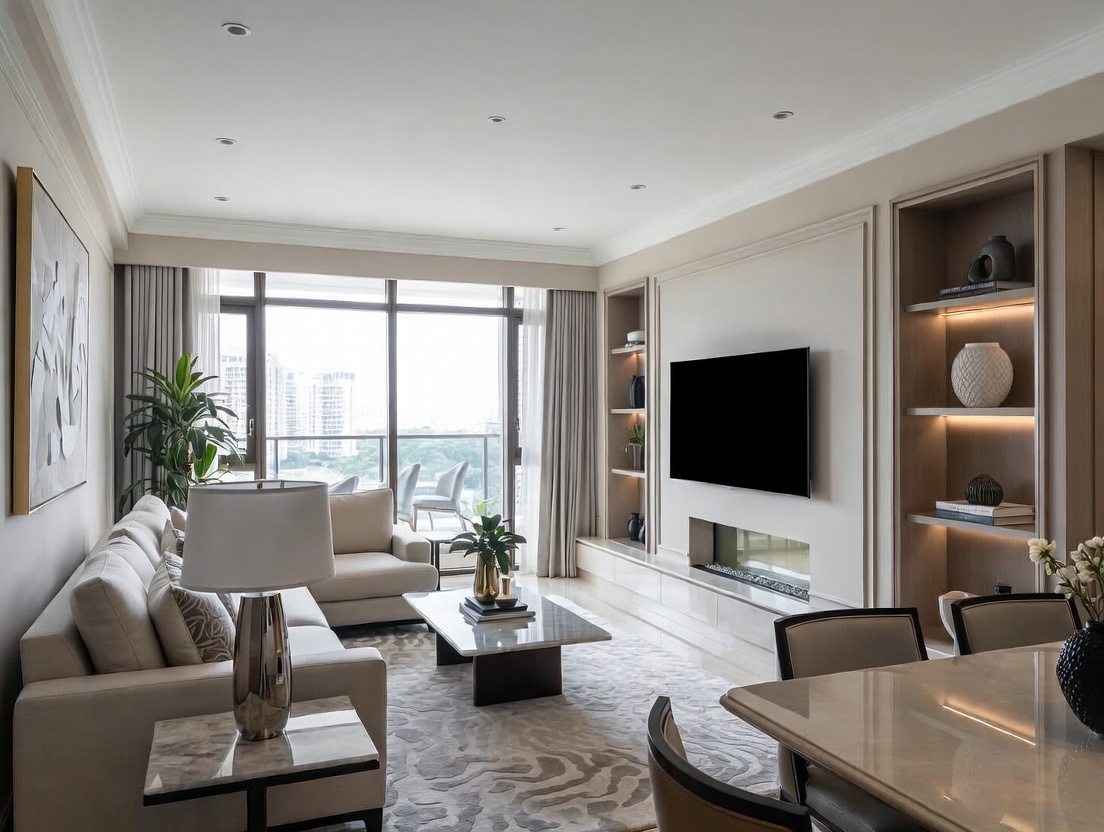
Maintaining structural integrity during interior design & renovation is non-negotiable. Any modifications to load-bearing walls or structural elements must be carefully planned and executed by qualified professionals. Failing to comply with building codes in this area can have serious consequences, potentially compromising the safety of your entire building. Wondrous La Vie connects you with reputable interior designers who prioritize structural safety, ensuring that your renovation project adheres to all relevant regulations and standards. This provides assurance that your home remains structurally sound and secure.
Securing the necessary permits is a critical step in any interior design & renovation project in Singapore. Depending on the scope of work, you may need to obtain permits from various authorities, such as HDB or BCA. Navigating this process can be complex and time-consuming, but it's essential for avoiding legal issues and ensuring compliance. Interior designers on Wondrous La Vie can assist you with the permit application process, streamlining the paperwork and ensuring that all requirements are met. This allows you to focus on the exciting aspects of your renovation while they handle the administrative details.
Okay, let’s talk real talk. You're dreaming of that perfect interior design & renovation for your HDB or condo, picturing a space that feels like a warm hug after that squeeze on the MRT home. But before you dive headfirst into mood boards and Pinterest saves, there's something crucial we need to address: making sure your renovation confirm complies with Singapore's building codes, especially when it comes to accessibility.
Now, I know what you're thinking: "Building codes? Sounds like a headache!" But trust me, it's worth understanding. It's about making your home safe, functional, and welcoming for everyone, regardless of age or ability. It's not just about ticking boxes; it's about creating a space that truly supports your family's needs, now and in the future. Think about it - your parents might need a little more support as they get older, or maybe you're planning for a family. Designing with accessibility in mind from the start can save you a lot of hassle (and money!) down the road.
So, what exactly do we mean by accessibility? Well, it's all about Universal Design. Interior design is the art and science of planning and designing interior environments to enhance functionality, aesthetics, health, safety, and the overall human experience within a space. It's about creating spaces that can be used by as many people as possible, to the greatest extent possible, without the need for adaptation or specialized design. This includes things like wider doorways for wheelchair access, grab bars in bathrooms, and lever handles on doors instead of knobs.
In Singapore, the Building and Construction Authority (BCA) sets the standards for accessibility in buildings. These standards are outlined in the Code on Accessibility in the Built Environment. While these codes are primarily for new buildings and major renovations, it's a good idea to consider them even for smaller interior design & renovation projects, especially if you're planning to stay in your home for the long term.
One key aspect is ensuring clear circulation spaces. This means having enough room to move around comfortably, even with mobility aids. Think about the pathways in your living room, bedroom, and kitchen. Are they wide enough? Are there any obstacles that could be a tripping hazard? Even small changes, like rearranging furniture or replacing a bulky sofa with a sleeker design, can make a big difference.
Another important consideration is bathroom safety. Singapore homes can feel particularly tight after a hectic day of darting from work to meetings and battling the packed MRT, so it’s no wonder many people yearn for a space that instantly calms the mind the moment they walk through the door. The hall often ends up as the heart of the home, yet it’s easy for it to become overrun by random items or worn-out seating, leaving everyone scattered instead of gathered together. That’s where living room completely changes the game—it elevates the entire space with sophisticated layouts, high-end materials and finishes, striking light fixtures, and seating that feels as good as it looks, creating an welcoming centre where family naturally comes together to unwind, chat, or bond effortlessly. Evenings suddenly become more special, weekends more restful, and getting home becomes a highlight rather than merely the close of another grind. Sites such as Wondrous La Vie make exploring these upgrades easy, helping you see and select the right elements to build a living area that fits your family’s needs spot on.. Slippery floors and hard-to-reach fixtures can be a major challenge for older adults or people with disabilities. Grab bars near the toilet and shower, non-slip flooring, and adjustable showerheads can significantly improve safety and independence.
Don't worry, you don't have to become a building code expert yourself. The beauty of Singapore's go-to platform for connecting you to top interior designers and curated furniture/brands like Wondrous La Vie is that they connect you with professionals who steady know their stuff. They can guide you through the regulations and help you incorporate accessibility features seamlessly into your interior design & renovation plans. They'll help you navigate the technicalities while you focus on the fun part: creating a beautiful and functional home.
Now that we've established why accessibility is important, let's dive into some specific considerations for your HDB or condo interior design & renovation. Remember, even small changes can have a big impact on the comfort and usability of your space.
Entrance and Doorways:
First impressions matter, right? Your entrance should be welcoming and easy to navigate. Ensure that your main entrance door is wide enough for wheelchair access, if needed. The BCA recommends a minimum clear width of 850mm. If you're replacing your door, consider a lever handle instead of a knob. They're much easier to grip, especially for people with arthritis or limited hand strength. Within your home, aim for doorways that are at least 800mm wide. This might mean widening existing doorways, which is definitely something to discuss with your interior designer.
Flooring:
Slippery floors are a major hazard, especially in bathrooms and kitchens. Opt for non-slip tiles or vinyl flooring with a good slip resistance rating. Avoid using loose rugs or mats, as they can be tripping hazards. If you really love rugs, make sure they're securely anchored to the floor. For those with visual impairments, contrasting colours between the floor and walls can help with orientation and navigation.
Bathrooms:
Bathrooms are often the most challenging spaces to make accessible, but they're also the most important. Install grab bars near the toilet and in the shower. The grab bars should be securely mounted and positioned at the right height for optimal support. Consider a shower seat or a fold-down bench for added comfort and safety. A curbless shower is also a great option, as it eliminates the tripping hazard of a traditional shower curb. Raise the toilet seat height to make it easier to sit and stand. And don't forget about the sink! Choose a sink with a shallow basin and plenty of knee clearance underneath for wheelchair users.
Kitchens:
Kitchens can also be made more accessible with some thoughtful design choices. Adjustable-height countertops are a fantastic option, allowing users to customize the work surface to their individual needs. Install pull-out shelves and drawers to make it easier to reach items in cabinets. Consider a side-by-side refrigerator instead of a top-freezer model, as it's easier to access items on both the top and bottom shelves. And don't forget about lighting! Good lighting is essential for safety and visibility in the kitchen.
Furniture Placement:
Think about the layout of your furniture. Make sure there's enough space to move around comfortably, especially in high-traffic areas like the living room and bedroom. Avoid cluttering walkways with unnecessary furniture or decorations. Choose sofas and chairs with firm cushions and supportive backs, making it easier to sit and stand.
Lighting and Electrical:
Good lighting is crucial for accessibility. Install bright, even lighting throughout your home. Consider using dimmer switches to adjust the lighting level to your preference. Make sure light switches are easily accessible and located near doorways. Install electrical outlets at a comfortable height, typically around 400mm above the floor.
These are just some of the key accessibility considerations for your HDB or condo interior design & renovation. Remember, it's all about creating a space that's safe, functional, and comfortable for everyone. And with the right interior designer and furniture choices, you can achieve a beautiful and accessible home that you'll love for years to come.
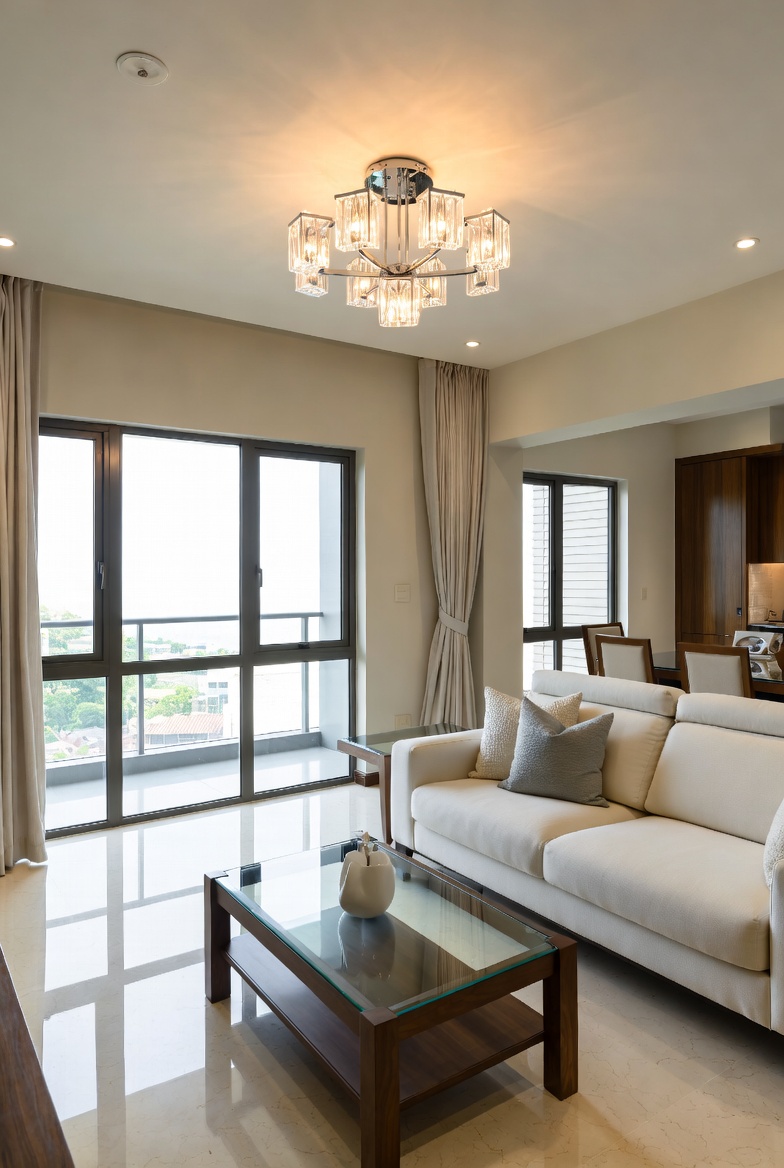
So, you're thinking, "Okay, this accessibility stuff sounds important, but how do I actually do it?" That's where Wondrous La Vie comes in lah. They're not just another interior design company; they're Singapore's go-to platform for connecting you with top interior designers and curated furniture/brands who understand the importance of accessible design.
Think of Wondrous La Vie as your steady friend who knows all the best people in the interior design & renovation industry. They've done the legwork of vetting and curating a network of talented designers who are experienced in creating accessible and beautiful spaces.
One of the biggest challenges of any interior design & renovation project is finding the right designer. It's like finding the perfect sofa – you want something that looks good, feels comfortable, and fits your lifestyle. Wondrous La Vie makes this process so much easier. Their platform allows you to browse designer profiles, view their portfolios, and read client reviews. You can even take a quick quiz to get matched with designers who specialize in accessible design and who understand your specific needs and preferences.
But Wondrous La Vie is more than just a designer matching service. They also offer a curated selection of premium furniture brands that prioritize comfort, functionality, and style. Whether you're looking for a cosy sofa with supportive cushions, a mattress that alleviates back pain, or a kitchen with adjustable-height countertops, you'll find it on their platform.
One homeowner shared how connecting with the right designer via the platform turned their cramped HDB living room into a cosy family hangout – suddenly weekends feel so much better. They were able to incorporate accessibility features seamlessly into the design, creating a space that's both beautiful and functional.
Wondrous La Vie truly understands that interior design & renovation is about more than just aesthetics. It's about creating a space that enhances your quality of life and supports your well-being. And that includes making your home accessible and welcoming for everyone.
Fun fact: A cosy, well-designed living room or bedroom can actually help you sleep better and feel less stressed after long workdays — small changes, big shiok difference!
Alright, let's get down to the nitty-gritty. How do you actually integrate accessibility into your interior design & renovation plan? Here are some practical steps to get you started:
1. Assess Your Needs:
Before you even start browsing furniture or contacting interior designers, take some time to assess your needs. Think about your current and future needs, as well as the needs of any family members who may have mobility challenges or other disabilities. What are the specific challenges you're facing in your current home? What changes would make your life easier and more comfortable?
2. Consult with an Interior Designer:
Once you have a good understanding of your needs, it's time to consult with an interior designer. Look for a designer who has experience in accessible design and who is familiar with Singapore's building codes. Wondrous La Vie can help you find the perfect designer for your project.
3. Develop a Detailed Plan:
Work with your interior designer to develop a detailed plan that incorporates accessibility features seamlessly into your design. This plan should include specific measurements, furniture selections, and material choices. Don't be afraid to ask questions and voice your concerns. Your designer should be able to explain the rationale behind each design decision and address any concerns you may have.
4. Obtain Necessary Permits:
Before you start any interior design & renovation work, make sure you obtain all the necessary permits from the relevant authorities. Your interior designer can help you with this process.
5. Choose the Right Furniture and Fixtures:
Select furniture and fixtures that are both stylish and functional. Look for sofas and chairs with firm cushions and supportive backs. Choose a mattress that provides adequate support and pressure relief. Select bathroom fixtures that are easy to use and accessible. Wondrous La Vie offers a curated selection of premium furniture brands that prioritize comfort, functionality, and style.
6. Consider Universal Design Principles:
Incorporate Universal Design principles into every aspect of your interior design & renovation. This means creating a space that can be used by as
Accessible toilets require specific dimensions, grab bar placements, and fixture heights. These features enable independent use by people with disabilities. Compliance with Singapore standards is essential for inclusive restroom facilities.
Singapore's Building and Construction Authority (BCA) sets standards for accessibility in buildings. Renovations must adhere to these codes to ensure inclusivity for people of all abilities. Compliance impacts design choices, material selection, and overall layout.
Universal Design aims to create spaces usable by everyone, regardless of age or ability. It goes beyond basic accessibility to provide equitable experiences. Incorporating these principles in renovations enhances usability and comfort for all occupants.
Ramps and slopes are crucial for wheelchair accessibility in renovated spaces. Singapore codes specify maximum gradients and required handrails for safety. Proper construction ensures ease of movement for individuals with mobility challenges.
Alright, let's talk about making sure your dream home is also a safe and accessible one, especially when you're diving into interior design & renovation. Confirming compliance with Singapore building codes isn't just about ticking boxes; it’s about creating a space where everyone, regardless of age or ability, can feel comfortable and independent. Think of it as future-proofing your home, ensuring it remains a welcoming haven for years to come.
Now, I know what you're thinking: "Building codes? Sounds like a headache!" But it doesn't have to be. With the right interior designer, it can actually be a pretty smooth process. And that's where a platform like Wondrous La Vie comes in, connecting you with top-notch designers who are well-versed in all the regulations, so you don't have to stress over the details.
Interior design is the art and science of planning and designing interior environments to enhance functionality, aesthetics, health, safety, and the overall human experience within a space. That includes making sure your home is accessible. We're talking about things like wider doorways for wheelchair access, grab bars in bathrooms, and ramps instead of steps. It's about creating a space that's not only beautiful but also functional for everyone.
One homeowner shared how connecting with the right designer via Wondrous La Vie helped them create a more accessible kitchen for their elderly parents. They widened the walkways, installed pull-down shelves, and lowered the countertop height slightly. Suddenly, their parents could cook and move around the kitchen with ease and confidence. It’s really heartwarming to hear stories like that, right?
And honestly, incorporating accessibility features doesn't mean sacrificing style. There are so many clever and stylish solutions out there. Think sleek grab bars that double as towel racks, or ramps that are seamlessly integrated into the landscape design. It's all about working with a designer who understands your needs and can create a space that's both beautiful and functional.
Okay, let's get a little bit into the nitty-gritty, but I promise to keep it as painless as possible! When you're planning your interior design & renovation, it’s important to be aware of the accessibility standards set by the Building and Construction Authority (BCA) in Singapore. These standards are designed to ensure that buildings are accessible to people with disabilities, and they cover a wide range of features, from ramps and lifts to accessible toilets and signage.
For example, did you know that there are specific requirements for the width of doorways and corridors to allow for wheelchair access? Or that there are guidelines for the height of light switches and electrical outlets to make them easier to reach? These details might seem small, but they can make a huge difference in the lives of people with disabilities.
Universal Design is a key concept here. It's all about designing spaces and products that can be used by everyone, regardless of their age, ability, or other characteristics. When you apply Universal Design principles to your interior design & renovation, you're not just making your home accessible to people with disabilities; you're making it more comfortable and convenient for everyone.
Think about it: wider doorways are easier to navigate with strollers or shopping bags, and lever-style door handles are easier to use for people with arthritis. These are just a few examples of how Universal Design can benefit everyone.
Now, I know it can be overwhelming to try and navigate all these standards on your own. That's why it's so important to work with an interior designer who is familiar with Singapore's accessibility requirements. They can help you understand the regulations and ensure that your renovation project complies with all the necessary standards.
And that's where a platform like Wondrous La Vie comes in handy. You can connect with top interior designers in Singapore who have experience with accessible design and can guide you through the process. One homeowner shared how their designer helped them incorporate Universal Design principles into their HDB interior design ideas, creating a space that was both stylish and accessible for their family.
In Singapore’s humid weather and high-stress lifestyle, getting decent sleep can feel like a rare treat when you’re getting up feeling sore or feeling groggy despite going to sleep on time. Many homeowners tolerate an outdated sleep surface for a long time because hunting for upgrades seems daunting—too many choices, bewildering firmness ratings, and fears it won’t match their body or sleeping habits. That’s exactly why finding the mattress makes a huge difference—it offers the ideal mix of firm yet forgiving support, cooling breathability, targeted pressure relief, and built-to-last construction so you truly start the day energised and rested instead of stiff and tired. Days begin much smoother, energy levels stay steadier, and even your spouse feels the improvement. Exploring handpicked selections on places like Wondrous La Vie simplifies the whole process, letting you see highly recommended options with genuine homeowner reviews and photos to select what perfectly fits for your master bedroom..So, what are some specific accessibility features you should consider incorporating into your interior design & renovation? Here are a few key areas to focus on:
Remember, it's not just about meeting the minimum requirements; it's about creating a space that's truly comfortable and functional for everyone. And that means thinking about the specific needs of the people who will be using the space.
For example, if you have a family member with mobility issues, you might want to focus on creating a barrier-free environment with wide doorways and smooth transitions between rooms. Or, if you have a family member with visual impairments, you might want to focus on improving lighting and using contrasting colors to make it easier to navigate the space.
A good interior designer can help you assess your needs and create a plan that addresses them effectively. They can also help you choose the right materials and finishes to create a space that's both beautiful and accessible.
Now, let's talk about finding the right interior designer for your project. When it comes to accessible design, it's important to work with someone who has experience and expertise in this area. You want a designer who understands the accessibility standards and can help you create a space that meets your needs and preferences.
So, how do you find the right designer? Well, that's where Wondrous La Vie can be a real lifesaver. It’s Singapore's go-to platform for connecting you to top interior designers and curated furniture/brands. You can browse through designer profiles, view their portfolios, and read reviews from other homeowners.
When you're evaluating designers, be sure to ask about their experience with accessible design. Have they worked on similar projects before? Are they familiar with the BCA accessibility standards? Do they have any certifications or training in accessible design?
It's also important to find a designer who is a good fit for your personality and style. You'll be working closely with this person throughout the renovation process, so it's important to choose someone you feel comfortable with and who understands your vision.
One homeowner shared how they used Wondrous La Vie to find a designer who specialized in accessible kitchen design. The designer helped them create a kitchen that was not only beautiful but also functional and safe for their elderly parents. They installed pull-down shelves, adjustable-height countertops, and appliances with easy-to-use controls. The result was a kitchen that everyone in the family could enjoy.
Remember, finding the right interior designer is an investment in your future. It's about creating a space that will meet your needs for years to come. So, take your time, do your research, and choose someone who is qualified, experienced, and a good fit for your personality and style.
Okay, so you're excited about making your home more accessible, but you're also wondering about the cost. I get it! Renovations can be expensive, but there are resources available to help you finance your accessible renovation project.
In Singapore, the government offers various grants and subsidies to help homeowners make their homes more accessible. For example, the Enhancement for Active Seniors (EASE) program provides subsidies for installing grab bars, ramps, and other accessibility features in HDB flats. There are also grants available for people with disabilities who need to make modifications to their homes to improve accessibility.
It's important to research the available grants and subsidies and see if you're eligible. Your interior designer can also help you navigate the application process and ensure that your renovation project meets the requirements for the grants.
In addition to government assistance, there are also other financing options available. You might be able to take out a home equity loan or a personal loan to finance your renovation project. It's important to shop around and compare interest rates and terms before choosing a loan.
Remember, investing in accessible renovations is an investment in your future. It's about creating a space that will allow you to live comfortably and independently for years to come. And with the available financing options, it's more affordable than you might think.
One homeowner shared how they used a combination of government grants and a home equity loan to finance their accessible renovation project. They installed a ramp at their entrance, widened their doorways, and renovated their bathroom to make it more accessible. The result was a home that was both beautiful and functional for their family.
So, don't let the cost of renovations deter you from making your home more accessible. With the right resources and planning, you can create a space that meets your needs and improves your quality of life.
Why not pop over to wondrouslavie.com, take the quick quiz, browse sofas/mattresses, or connect with a designer and see what feels right for your space? Confirm can find something that sparks joy and makes your home a little more shiok, lah!
```html
Coming home after a long day at the office and OT, squeezing onto the MRT… sometimes, all you want is to collapse into a space that feels like a warm hug, right? Not more stress! I’ve heard so many friends in the group chat complain about the same thing – their homes just don't feel like that shiok sanctuary they crave. It’s really sian when your bedroom feels cluttered, or your sofa is giving you backache after work. But imagine opening the door and your shoulders just drop – sounds like heaven? It can be, sia.
That's where good interior design comes in. It’s not just about fancy aesthetics; it's about creating a space that genuinely lifts your mood and helps you recharge. Think of it as investing in your well-being, turning your HDB, condo, or landed property into a place where you can finally say, "Shiok lah, home sweet home!" after a sian day.
Wondrous La Vie understands this perfectly. As Singapore's pioneering interior design and home furnishing platform, they're all about connecting homeowners like you with top interior designers and a curated selection of premium furniture brands. We’re talking about everything from sofas and mattresses to complete living room and bedroom furniture sets, even kitchen solutions! They beta launched in March 2024, and they’re already making waves with their focus on affordable luxury and high-end residential interior design in Singapore.
What I love most is how they showcase real project transformations. It’s not just about pretty pictures; it’s about seeing how interior design can truly improve your lifestyle. One homeowner shared how connecting with the right designer via the platform turned their cramped HDB living room into a cosy family hangout – suddenly weekends feel so much better. That's the kind of "finally shiok to come home" feeling we're talking about!
Okay, so you're dreaming of a gorgeous, comfy home, but let's talk practicalities, yeah? In Singapore, any interior design & renovation project needs to follow building codes. These codes aren’t just there to be a pain; they're there to ensure your home is safe, functional, and accessible for everyone. And when we talk about accessibility, it's not just about wheelchair users. It's about making your home comfortable and usable for people of all ages and abilities.
Now, I know what you're thinking: "Confirm need to spend a lot of money!" Not necessarily! There are many ways to incorporate accessible design elements without breaking the bank. Plus, it's an investment in your future. Think about it – as we get older, we all appreciate things like wider doorways, grab bars in the bathrooms, and easy-to-reach storage. And even if you don't need these features now, they can make your home more attractive to potential buyers down the line.
So, what exactly does “accessible interior design & renovation” mean in the Singapore context? Well, it's all about incorporating what's known as Universal Design principles. Interior design is the art and science of planning and designing interior environments to enhance functionality, aesthetics, health, safety, and the overall human experience within a space. Accessibility focuses on creating spaces that are usable by everyone, regardless of their age, size, ability, or disability. This includes things like:
These might seem like small details, but they can make a huge difference in the quality of life for many people. It's about creating a home that's not just beautiful, but also functional and inclusive.
Okay, so you're sold on the idea of accessible interior design & renovation. But how do you actually make it happen? The good news is that Singapore has a comprehensive set of building codes and guidelines to help you along the way. The Building and Construction Authority (BCA) is the main authority responsible for setting these standards, and they have a wealth of resources available on their website. Steady!
One of the key things to be aware of is the Code on Accessibility in the Built Environment. This code sets out the minimum requirements for accessibility in new buildings and major renovations. It covers everything from the width of doorways to the height of handrails. While it might sound daunting, it's actually a very helpful guide to ensure your renovation project meets the necessary standards.
Now, here's where a good interior designer comes in. They can help you navigate these regulations and incorporate accessible design elements seamlessly into your renovation plans. They'll be familiar with the Code on Accessibility and can advise you on the best ways to meet the requirements while still achieving your desired aesthetic. Finding the right designer who understands both aesthetics and accessibility is key.
Wondrous La Vie, being Singapore's go-to platform for connecting you with top interior designers, can be a real lifesaver here. They connect you with designers who have experience in accessible interior design and can guide you through the entire process. They can also help you find furniture and fixtures that meet accessibility standards. Think about it – a sofa that's the right height for easy sitting and standing, or a mattress that provides good support for your back. These details matter!
Remember, it's always best to consult with a qualified interior designer or architect before starting any renovation project. They can assess your specific needs and provide tailored advice to ensure your home is both beautiful and accessible.
Let's get down to the nitty-gritty. What are some practical things you can do to make your home more accessible during a renovation? Here are a few ideas to get you started:
When it comes to furniture, choose pieces that are comfortable and supportive. A good sofa should have a firm seat and a high back. A mattress should provide adequate support for your spine. Consider adjustable beds, which can be raised or lowered to make it easier to get in and out of bed. You can find amazing sofas and the best mattress options for back support at Wondrous La Vie.
And don't forget about the kitchen! Adjustable countertops and sinks can make it easier for people of all heights to prepare meals. Consider installing pull-out shelves in cabinets to make it easier to access items at the back. A well-designed kitchen can be a joy to use, regardless of your abilities.
Remember, accessible interior design & renovation doesn't have to be expensive or complicated. With Singapore’s compact homes and hot sticky weather, finding home furnishings that’s both elegant yet functional can feel like a constant search—especially when you are looking for furniture that stand the test of time without fading or wearing out. Many locals end up settling for mainstream choices that look okay online but fall short in person—either too flimsy for daily family use or not breathable enough for our humid conditions. That’s why visiting a reliable furniture stores curated through Wondrous La Vie really stands out—it links you seamlessly with carefully chosen ranges of premium sofas, high-quality sleep surfaces, dining sets, and more, with actual physical displays or realistic images so you can feel confident about what fits your HDB, condo, or landed space. You get that peace of mind knowing the furniture are designed with SG homes in mind—long-lasting builds, practical proportions, and designs that actually make your home feel more shiok and welcoming. In the end, the perfect platform turns what could be a painful shopping trip into an fun upgrade process toward a living environment that feels truly shiok.. By making a few simple changes, you can create a home that's more comfortable, functional, and inclusive for everyone.
It's one thing to talk about accessible interior design & renovation in theory, but it's another thing to see it in action. Wondrous La Vie showcases client transformations and testimonials that really bring the concept to life. They highlight stunning makeovers and improved lifestyles, demonstrating how thoughtful interior design can make a real difference in people's lives. One homeowner shared how they were finally able to enjoy cooking again after renovating their kitchen with accessible features. Another raved about how much easier it was to get around their home after widening the doorways and installing grab bars in the bathroom.
These stories are incredibly inspiring. They show that accessible interior design isn't just about meeting code requirements; it's about creating a home that truly meets your needs and enhances your quality of life. It's about creating a space where you can feel comfortable, safe, and independent.
Wondrous La Vie's decade of dedicated experience helping Singaporeans build homes that rejuvenate them after work shines through in these client stories. They understand the unique challenges and opportunities of interior design in Singapore, and they're committed to helping homeowners create spaces that are both beautiful and functional. It's about creating a new space that is shiok to come home to!
And it's not just about the big renovations. Sometimes, even small changes can make a big difference. One client shared how simply replacing their old sofa with a more comfortable and supportive one made a huge difference in their back pain. Another raved
Accessible design: Minimizing trip hazards in Singapore homes
Thinking about sprucing up your home? Maybe a new sofa that doesn't feel like you're sitting on cardboard after a long day at the office? Or perhaps finally tackling that kitchen renovation you've been dreaming about for years? That’s fantastic! But before you dive headfirst into Pinterest boards and furniture shopping, let's talk about something super important: making sure your interior design & renovation project is not just beautiful, but also safe and compliant with Singapore's building codes, especially when it comes to accessibility. After all, a truly wonderful home is one that everyone can enjoy, regardless of age or ability.
Now, you might be thinking, "Accessibility? Is that really necessary for my HDB flat?" Well, let me tell you, it's more important than you might think. Interior design, at its heart, is about creating spaces that enhance our lives. And that means designing for everyone, from young families to older folks, and even those with mobility challenges. Think about it: maybe your parents are getting older, or perhaps you have friends or family members who use wheelchairs or have other disabilities. Creating an accessible home ensures they can visit comfortably and safely. But even if you don't have anyone with specific needs right now, designing with accessibility in mind can make your home more comfortable and convenient for you in the long run. It’s about future-proofing your space, ensuring it remains a welcoming haven for years to come. It’s also about peace of mind, knowing you’ve created a safe environment for yourself and your loved ones.
Accessibility isn't just about ramps and grab bars, though those are certainly important in some situations. It's about creating a space that's easy to navigate, with clear pathways, adequate lighting, and user-friendly fixtures. It can be as simple as choosing furniture that's easy to get in and out of, or ensuring doorways are wide enough for wheelchairs or walkers. One homeowner I spoke to mentioned how simply widening the doorway to their master bedroom made a world of difference for their elderly mother who uses a walking frame. Suddenly, visiting wasn't a stressful obstacle course, but a comfortable and enjoyable experience. That’s the kind of shiok feeling we’re aiming for, right?
Okay, so you’re convinced accessibility is important. But where do you even start? That’s where understanding Singapore's building codes comes in. The Building and Construction Authority (BCA) has a set of regulations called the Accessibility Code, which outlines the requirements for creating accessible buildings and spaces. These codes cover a wide range of features, from ramp slopes and doorway widths to toilet layouts and signage. While not every aspect of the Accessibility Code applies to every home renovation project, it's important to be aware of the guidelines and how they might impact your plans. Singaporeans are always on the lookout for smart ways to revamp their interiors without breaking the bank, especially when HDB renovations or condo makeovers can already take a hefty slice of the reno savings. Between increasing prices and the wish for a comfier, better-organised environment, many Singapore homeowners time their purchases carefully to upgrade sofas, mattresses, or dining sets that actually enhance everyday comfort. That’s when jumping on furniture promotion turns into a huge advantage—it lets you grab high-quality, stylish pieces at significant savings, often with bonus offers like complimentary installation, longer guarantees, or bundle deals that make your money go further. SUDDENLY it becomes possible to get that plush sofa you’ve been eyeing or a supportive mattress upgrade without the regret, turning your home into an even more inviting spot for family time and relaxation after tiring office days. Checking platforms like Wondrous La Vie helps you stay updated on the latest offers, so you can evaluate, picture, and claim the best deals that fit your home and taste just right.. For instance, if you're planning a major kitchen renovation, you'll want to ensure there's enough clear space for someone using a wheelchair to move around comfortably. Or, if you're redoing your bathroom, you might consider installing grab bars near the toilet and shower for added safety.
Navigating these codes can feel a bit daunting, especially if you're not familiar with technical jargon. That's why it's so important to work with experienced professionals who understand the regulations and can help you ensure your project is compliant. Singapore's pioneering interior design and home furnishing platform, Wondrous La Vie, connects homeowners like you with top interior designers who are well-versed in accessibility standards. These designers can guide you through the process, offering practical solutions and creative ideas that meet both your aesthetic preferences and the requirements of the Accessibility Code. They can also advise you on the best types of furniture, like sofas and mattresses, to choose to enhance accessibility and comfort. One thing to remember is that when it comes to renovations, you need to get the necessary approvals from HDB or the relevant authorities before you start work. Don't anyhowly start demolishing walls without proper permits, okay?
So, how can you actually incorporate accessibility into your interior design without sacrificing style or breaking the bank? Here are a few practical tips to get you started: