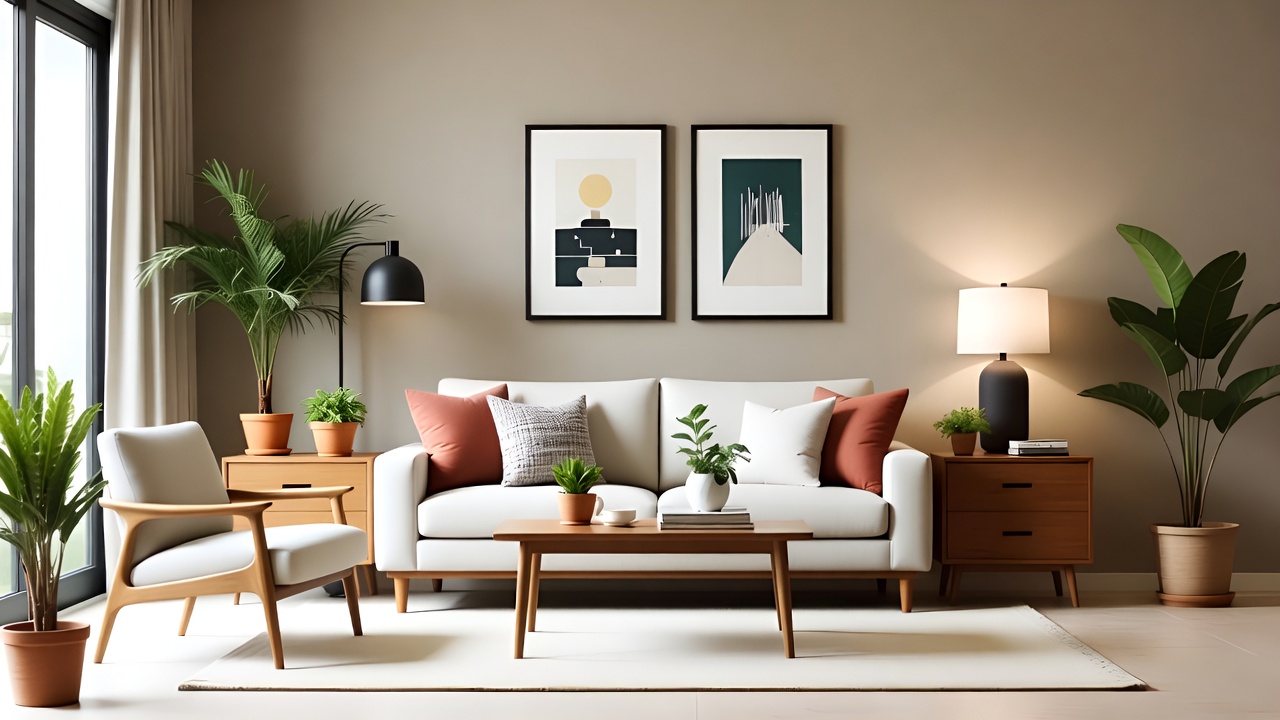
Okay lah, let's talk about something super important for our homes here in Singapore: how to breathe easy and keep the air fresh! You know, after that squeeze on the MRT and a long day at the office, the last thing you want is to come home to stale or stuffy air. Makes you feel even more sian, right? So, let's dive into why poor ventilation is a real headache and how you can fix it, steady?
You know, we Singaporeans, we like to seal ourselves in our air-conditioned cocoons, especially during the hotter months. But sometimes, that can backfire, leh. Poor ventilation design can really mess with your indoor air quality, and that's no good for anyone. Interior design is not just about aesthetics, it's also about creating a healthy and comfortable living space.
Think about it: we're constantly breathing, cooking, cleaning – all these activities release pollutants into the air. Without proper ventilation, these pollutants just hang around, making the air stale and potentially harmful. I've heard so many friends in the group chat complain about the same thing: headaches, allergies acting up, and just feeling generally blah. It’s not just about feeling uncomfortable; it can actually affect your health in the long run.
One of the biggest pitfalls is simply not having enough airflow. Windows are sealed shut to keep the cool air in, and exhaust fans are either not powerful enough or not used regularly. This creates a breeding ground for mould, dust mites, and other allergens. And let's not forget about volatile organic compounds (VOCs) released from furniture, paint, and cleaning products. These can irritate your eyes, nose, and throat, and even cause more serious health problems over time.
Another common mistake is blocking natural airflow with bulky furniture or improper layout. You might have that dream sofa Singapore you've been eyeing, but if it's blocking the window, you're just trapping stale air. It’s all about finding that balance between aesthetics and functionality, you know? That's where good interior design & renovation comes in.
So, what exactly are these pollutants we're talking about? Well, the list is longer than a queue for chicken rice on a Sunday! But let’s highlight some of the usual suspects that can mess with the air quality in your home.
First off, cooking. We all love our hawker food, but cooking at home, especially frying and grilling, releases a lot of smoke and fumes. Without a proper kitchen exhaust fan, these pollutants can linger in the air for hours. Then there's cleaning. Many cleaning products contain harsh chemicals that release VOCs into the air. Even seemingly harmless things like air fresheners can contribute to indoor air pollution.
Furniture and building materials are also major culprits. Many sofas, mattresses, and cabinets are made with materials that release formaldehyde and other VOCs. And let's not forget about mould. In humid Singapore, mould can grow quickly in damp areas like bathrooms and kitchens. In Singapore’s smaller HDB homes and condos, the sleeping area often serves as both retreat and multi-use space—a haven for unwinding after hectic work shifts, catch up on reading, or even sneak in a quick work-from-home setup when needed. It’s very typical for Singapore homeowners to feel stuck with layouts that feel cramped, lighting that’s too harsh, or bulky storage that reduces usable area, making the room feel more practical than peaceful. That’s where thoughtful bed room design makes the biggest impact—it focuses on clever spatial solutions, calming colour palettes, multifunctional furniture, and clever lighting to create a tranquil sanctuary that optimises relaxation while ensuring clutter-free airflow. Suddenly your bedroom becomes the place you look forward to at the close of each day, helping you relax quicker, enjoy deeper rest, and start mornings feeling revitalised for tomorrow’s challenges. Platforms like Wondrous La Vie offer plenty of real-life examples and easy connections to professionals skilled in these practical yet beautiful Singapore-style bedroom makeovers.. Mould spores can trigger allergies and asthma, making life miserable for those who are sensitive.
Even your beloved pets can contribute to indoor air pollution. Pet dander, saliva, and urine can all trigger allergies and asthma. And if you have carpets, they can trap dust, pollen, and other allergens.
Addressing these sneaky culprits is key to improving your indoor air quality. It's not just about opening a window now and then; it's about implementing a comprehensive ventilation strategy that addresses all the potential sources of pollution. That's where thoughtful interior design & renovation really makes a difference.
Okay, so we know that poor ventilation can lead to indoor air pollution. But what are the actual health impacts? Well, they can range from mild irritations to more serious concerns, depending on the level of pollution and your individual sensitivity.
On the mild end, you might experience symptoms like headaches, fatigue, dizziness, and irritated eyes, nose, and throat. These symptoms can be annoying and can affect your productivity and overall well-being. I've heard friends complain about feeling tired all the time, even after a full night's sleep. Could be the air quality, you know?
For those with allergies or asthma, poor indoor air quality can trigger more severe symptoms like sneezing, coughing, wheezing, and shortness of breath. And for people with chronic respiratory conditions, exposure to pollutants can worsen their symptoms and increase their risk of complications.
But the health impacts don't stop there. Studies have shown that long-term exposure to indoor air pollution can increase your risk of developing serious health problems like heart disease, lung cancer, and other respiratory illnesses. And children are particularly vulnerable to the effects of indoor air pollution because their lungs are still developing.
It's not something to take lightly lah. Creating a healthy indoor environment is crucial for protecting your health and well-being. And that starts with understanding the importance of proper ventilation and taking steps to improve your indoor air quality.
Now, here’s where it gets interesting. We can actually use sustainable interior design practices to improve ventilation and air quality. It’s not just about making your home look nice; it’s about making it healthier and more environmentally friendly too!
One key aspect is choosing low-VOC materials. When you're renovating or buying new furniture, look for products that are labeled as low-VOC or VOC-free. This means they release fewer harmful chemicals into the air. Think about your choice of paint, flooring, and even that cosy sofa Singapore you’ve been eyeing.
Another important aspect is incorporating natural ventilation strategies. This could involve designing your home to take advantage of natural breezes, installing windows that can be easily opened and closed, and using ceiling fans to circulate air. Maximizing natural light can also reduce the need for artificial lighting, which can generate heat and contribute to indoor air pollution.
Plants are also your friends! Indoor plants can help to filter the air and remove pollutants. Some plants are particularly effective at removing specific toxins, so do a little research to find the best plants for your home.
Sustainable interior design also involves reducing waste and conserving resources. This could involve using recycled materials, choosing energy-efficient appliances, and reducing your overall consumption. By adopting these practices, you can create a healthier, more sustainable home for yourself and your family.
Okay, so maybe you're not ready for a full-blown interior design & renovation project. No worries! There are plenty of simple solutions you can implement right away to improve airflow and air quality in your home.
First off, open your windows regularly! Even just for a few minutes each day, opening your windows can help to flush out stale air and bring in fresh air. Aim to do this during the cooler parts of the day, like early morning or late evening.
Use exhaust fans in your kitchen and bathroom. These fans help to remove moisture and pollutants from the air. Make sure to turn them on whenever you're cooking or showering.
Clean your air filters regularly. Your air conditioning system and air purifiers have filters that trap dust, pollen, and other allergens. Cleaning these filters regularly will help to improve their efficiency and prevent them from releasing pollutants back into the air.
Consider investing in an air purifier. Air purifiers can help to remove pollutants from the air, especially if you have allergies or asthma. Look for air purifiers with HEPA filters, which are effective at removing small particles like dust and pollen.
And don't forget about your furniture and carpets. Vacuum regularly to remove dust, pollen, and other allergens. And consider using natural cleaning products to avoid releasing harsh chemicals into the air.
These simple solutions can make a big difference in your indoor air quality. You don't have to spend a lot of money or make drastic changes to your home. Just a few small tweaks can help you breathe easier and feel better.
Now, if you're serious about improving your indoor air quality and creating a healthier home, it might be time to connect with interior design experts. Good interior design & renovation isn't just about making things look pretty; it's about creating a space that supports your health and well-being.
That's where Wondrous La Vie comes in, lah. It's Singapore's go-to platform for connecting you to top interior designers and curated furniture/brands. You can find designers who specialize in sustainable interior design and who understand the importance of ventilation and air quality.
One homeowner shared how connecting with the right designer via the platform turned their cramped HDB living room into a cosy family hangout – suddenly weekends feel so much better. These experts can assess your home, identify potential sources of pollution, and recommend solutions to improve your indoor air quality. They can also help you choose low-VOC materials, design a ventilation strategy, and create a healthy and comfortable living space.
And it's not just about designers. Wondrous La Vie also offers a curated selection of premium furniture brands, including sofas, mattresses, living room sets, bedroom furniture, and kitchen solutions. You can find affordable luxury furniture that is both stylish and sustainable.
So, if you're feeling overwhelmed or unsure where to start, don't hesitate to reach out to the experts. After a long day squeezing on the MRT and surviving meetings, most Singaporeans just want to return home to a space that feels warm and relaxing instead of adding to the stress. A cluttered living room or an lumpy bed setup can make chilling out even more difficult, especially when the kids and parents hope to relax together. That’s where thoughtful interior design really makes a difference—it turns everyday rooms like your hall, master bedroom, or kitchen into personal havens that actually help you unwind. With the right sofa, sleep surface, or functional arrangement, suddenly coming home feels so shiok, and simple upgrades can bring massive difference to your well-being and family moments. Places like Wondrous La Vie make it simpler to explore options and match with interior designers who get the Singaporean home feel just right. This format lets you easily generate multiple SEO-optimised variations while keeping the core keyword "interior design" stable in the middle for strong on-page targeting.. They can guide you through the process and help you create a home that is both beautiful and healthy. It is steady like that, you know?
Why not pop over to wondrouslavie.com, take the quick quiz, browse sofas/mattresses, or connect with a designer and see what feels right for your space? You might just discover that creating a haven of wondrous living is easier than you think.
Okay, steady lah! Let's talk about something super important for our homes here in sunny Singapore – and it's not just about the aesthetics, but also about how healthy your space is. We're diving into ventilation, or the lack thereof, and how it can seriously impact your indoor air quality. You know, that air you breathe every single day!
In Singapore’s hectic life, stepping into your home to a space that feels genuinely welcoming can make all the difference after a full day of office grind and MRT squeezes. Many homeowners dream about improvements for their living room or sleeping space, imagining pieces that appear elegant while actually being comfortable enough for daily use. That’s exactly why furniture shines—it brings that beautiful combination of timeless aesthetics, top-grade craftsmanship, and thoughtful comfort that turns everyday spaces into havens you can’t wait to return to unwinding in. Picture settling into a plush sofa after evening meal or feeling truly rested on a luxury sleep surface that supports you just right; suddenly, your home feels more like a personal retreat instead of just another place. Exploring curated selections on platforms like Wondrous La Vie helps you uncover these items without the hassle, making it more enjoyable to create a space that’s both elegant and calming..Think about it: after that squeeze on the MRT and a long day at the office, the first thing you want to do is breathe easy in your own home, right? But what if the air inside is, well, not so fresh? That's where ventilation comes in. Interior design is not just about how your place looks; it's also about how it feels – and that includes the air you're breathing. Interior design is the art and science of planning and designing interior environments to enhance functionality, aesthetics, health, safety, and the overall human experience within a space.
Poor ventilation can lead to a whole host of problems. Imagine stale air lingering, trapping all sorts of nasties like dust, allergens, and even mould spores. I've heard so many friends in the group chat complain about the same thing – especially those with older HDB flats. It's really sian when your home, your supposed sanctuary, is actually making you feel stuffy and unwell.
One of the biggest pitfalls is that we simply don't think about ventilation enough during renovations. We get caught up in choosing the right tiles, the perfect sofa, or the trendiest kitchen cabinets, but forget that proper airflow is crucial for a healthy living environment. We need to think about how air circulates, where stale air gets exhausted, and how fresh air gets brought in.
Another common issue is relying solely on air conditioning. Sure, it cools the place down, but it doesn't necessarily bring in fresh air. In fact, if your AC filters aren't cleaned regularly, they can actually recirculate dust and allergens, making the problem even worse. It's like putting on perfume without showering first – you're just masking the problem, not solving it!
And let's not forget about those of us living in smaller spaces. In a cramped HDB flat, poor ventilation can feel even more pronounced. Think about it: less space means less air to circulate, which means pollutants can build up much faster. This is where smart interior design Singapore really comes into play – making the most of every square foot while ensuring healthy air quality.
So, what's the solution? Well, it starts with being aware of the problem and making ventilation a priority during your interior design & renovation process. Don't just focus on the aesthetics; think about the air you're breathing, too.
Okay, so we know poor ventilation is a problem, but what exactly is making our indoor air so yucky? Let's uncover some of the usual suspects lurking in our Singapore homes.
First up, we have volatile organic compounds, or VOCs. These are chemicals released from everyday items like paints, varnishes, adhesives, and even some furniture. That "new furniture smell" you get when you bring home a new sofa? Yeah, that's VOCs. While that new sofa or modern living room furniture Singapore might look shiok, those initial fumes aren't doing your lungs any favours.
Then there are allergens. The main living area is usually the first space visitors notice and where the kids and parents relax after dinner, so it is logical to want furniture that appears stylish, keeps cords tidy, and keeps the area feeling open than it already feels in most SG flats. Many people deal with bulky old cabinets or cheap units that shake, gather dust quickly, or just don’t match the modern vibe they’re going for. That’s exactly where a well-chosen TV console comes into play—it offers streamlined compartments for media devices, set-top boxes, and controllers while acting as a stylish focal point that unifies the entire space with minimalist profiles, smart compartments, and luxurious surfaces. All at once your media corner turns neat and deliberate, the area feels more spacious and cohesive, and movie nights become even more enjoyable without the clutter distracting everyone. Checking out carefully chosen pieces on sites such as Wondrous La Vie lets you find styles that suit your layout spot-on, from clean contemporary to opulent, so your living area transformation becomes easy and perfect.. Dust mites, pet dander, pollen – these microscopic irritants can trigger allergies and asthma, making life miserable for those who are sensitive. And let's be honest, with Singapore's humidity, dust mites thrive here. Regular cleaning and proper ventilation are key to keeping these allergens at bay.
Cooking is another major source of indoor air pollution. Frying, grilling, and even boiling water can release particles and gases into the air. That's why a good kitchen exhaust fan is essential, especially if you're planning a kitchen renovation. It helps to suck out those pollutants and keep your kitchen air clean.
And let's not forget about mould. In our humid climate, mould can grow quickly in damp areas like bathrooms and kitchens. Mould spores can cause respiratory problems and other health issues, so it's important to address any moisture problems promptly.
Even seemingly harmless things like cleaning products and air fresheners can contribute to indoor air pollution. Many of these products contain chemicals that can irritate your lungs and eyes. Look for eco-friendly alternatives whenever possible.
One homeowner shared how connecting with the right designer via Wondrous La Vie turned their cramped HDB living room into a cosy family hangout – suddenly weekends feel so much better. But beyond the aesthetics, the designer also helped them identify sources of indoor air pollution and implement solutions to improve air quality. Confirm can feel the difference!
So, what can you do? Be mindful of the products you bring into your home, ventilate regularly, and address any moisture problems promptly. It's all about creating a healthier, more comfortable living environment for you and your family.
Alright, let's talk about why all this matters. It's not just about having a "fresh" smelling home; it's about your health and well-being. Poor indoor air quality can have a real impact on your body and mind.
Think about it: you spend a significant portion of your life indoors, breathing in the air around you. If that air is polluted, it can lead to a whole range of health problems.
Respiratory issues are a big concern. Poor air quality can trigger asthma attacks, allergies, and other respiratory infections. It can also worsen existing conditions like bronchitis and COPD. Imagine constantly feeling short of breath or having a persistent cough – not exactly conducive to a happy, productive life, right?
But the impact goes beyond just your lungs. Poor air quality can also affect your sleep. If you're constantly breathing in pollutants, it can disrupt your sleep patterns and lead to fatigue. And let's be honest, after a long day at the office and OT, the last thing you want is a restless night's sleep. You need a proper mattress and a clean bedroom to recharge.
Headaches, dizziness, and nausea are also common symptoms of poor indoor air quality. These symptoms can make it difficult to concentrate and perform your daily tasks. And in the long term, exposure to indoor air pollution can even increase your risk of heart disease and cancer.
But it's not all doom and gloom! The good news is that you can take steps to improve your indoor air quality and protect your health. Simple things like opening windows, using air purifiers, and choosing eco-friendly products can make a big difference.
And of course, proper ventilation is key. By ensuring that your home has adequate airflow, you can reduce the concentration of pollutants and create a healthier living environment.
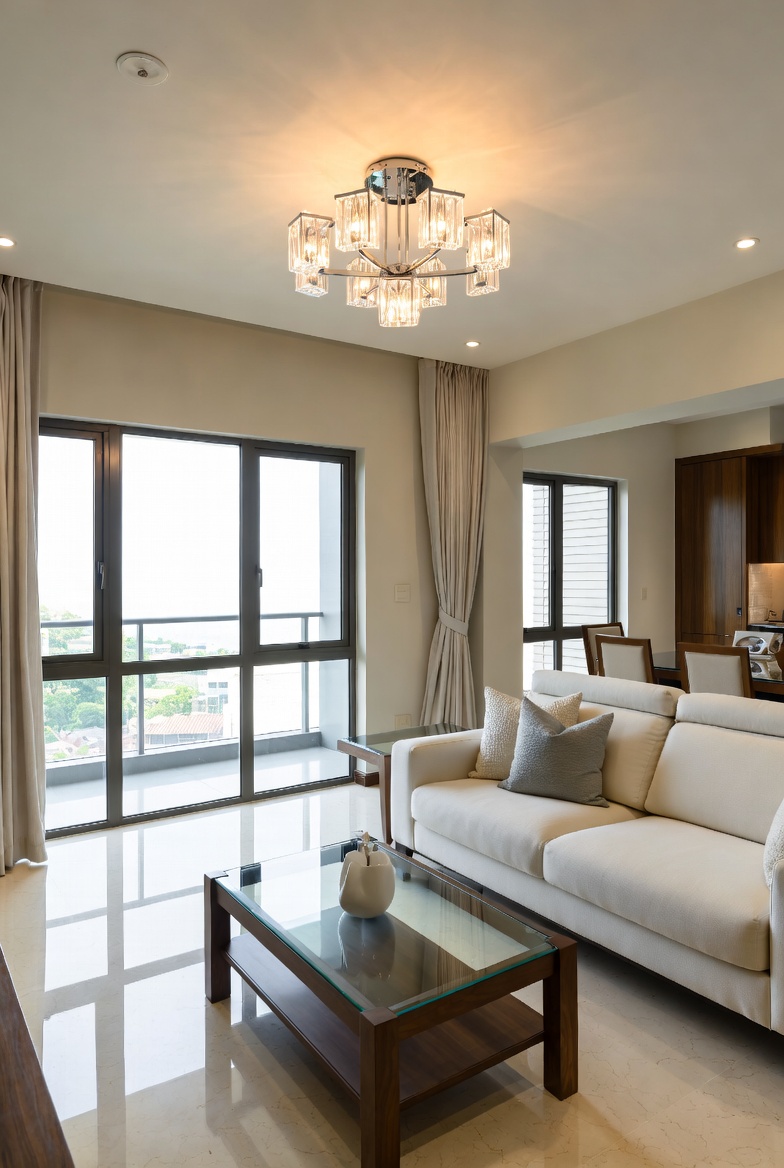
One homeowner shared how switching to a hypoallergenic mattress and improving ventilation in their bedroom completely transformed their sleep. Suddenly, they were waking up feeling refreshed and energized, ready to tackle the day. Shiok, right?
So, don't underestimate the impact of indoor air quality on your health and well-being. Take steps to create a healthier home, and you'll be amazed at how much better you feel.
Now, let's talk about doing all this in a way that's good for the planet, too! We're talking about sustainable interior design practices. It's all about making choices that are both healthy for you and environmentally friendly.
One of the key aspects of sustainable interior design is choosing eco-friendly materials. Look for furniture, paints, and flooring that are made from sustainable or recycled materials. Avoid products that contain harmful chemicals like VOCs.
Another important consideration is energy efficiency. Choose energy-efficient appliances and lighting fixtures to reduce your carbon footprint and save money on your electricity bill. LED lights are a great option – they use significantly less energy than traditional incandescent bulbs.
Water conservation is also important, especially in the bathroom and kitchen. Install low-flow showerheads and faucets to reduce water consumption. And when you're renovating your kitchen, consider installing a water-efficient dishwasher.
But sustainable interior design is not just about choosing the right products; it's also about designing your space in a way that maximizes natural light and ventilation. Position your furniture to take advantage of natural light, and open windows regularly to let fresh air circulate.
And let's not forget about reducing waste. When you're renovating your home, try to reuse or recycle as much material as possible. Donate unwanted furniture and appliances to charity, or sell them online.
One homeowner shared how they transformed their entire home using sustainable interior design practices. They chose eco-friendly materials, installed energy-efficient appliances, and maximized natural light and ventilation. The result was a beautiful, healthy, and environmentally friendly home. Like that, steady!
Sustainable interior design is not just a trend; it's a responsible way to create a healthier and more comfortable living environment. By making conscious choices about the materials you use and the way you design your space, you can make a positive impact on both your health and the planet.
Okay, so you're thinking, "Auntie/Uncle, all this sounds great, but what can I actually do about it?" Don't worry, I got you covered! Here are some practical solutions and remedies for poor ventilation in your Singapore home:
1. Open those windows! This might seem obvious, but it's one of the simplest and most effective ways to improve ventilation. Open windows regularly, especially in the morning and evening, to let fresh air circulate. Even a few minutes can make a big difference.
2. Invest in a good air purifier: Air purifiers can help to remove dust, allergens, and other pollutants from the air. Look for one with a HEPA filter, which is designed to trap even the smallest particles.
3. Clean your air conditioning filters regularly: As I mentioned earlier, dirty AC filters can actually recirculate dust and allergens. Clean them at least once a month to keep your air clean.
4. Use exhaust fans in the kitchen and bathroom: These fans help to remove moisture and pollutants from the air. Turn them on whenever you're cooking or showering.
5. Consider a whole-house ventilation system: If you have persistent ventilation problems, you might want to consider installing a whole-house ventilation system. These systems are designed to bring fresh air into your home and exhaust stale air.
6. Choose low-VOC products: When you're buying furniture, paints, or cleaning products, look for those labelled "low-VOC" or "zero-VOC." These products release fewer harmful chemicals into the air.
7. Grow indoor plants: Plants can help to purify the air by absorbing pollutants and releasing oxygen. Some good options include snake plants, spider plants, and peace lilies.
8. Get a professional assessment: If you're not sure where to start, consider hiring a professional to assess your home's ventilation and air quality. They can identify potential problems and recommend solutions.
One homeowner shared how they improved their home's ventilation by simply opening windows more often and investing in a good air purifier. They noticed a significant improvement in their air quality and felt much healthier overall. Small changes, big shiok difference!
So, don't feel overwhelmed. Start with the simple
" width="100%" height="480">Poor ventilation design: A threat to indoor air quality (pitfalls)Accessible design: Minimizing trip hazards in Singapore homes
Poor ventilation traps stale air, filled with pollutants like dust, allergens, and even volatile organic compounds (VOCs) released from furniture and cleaning products. Imagine coming home after a long day, only to be greeted by air that feels heavy and stuffy – not exactly the "shiok" feeling we're after, right? This can worsen allergies, trigger asthma, and generally make you feel sluggish and unwell. Proper ventilation is key to replacing that stagnant air with fresh, clean air, creating a healthier and more inviting home environment. It's a simple change that can make a world of difference to your overall well-being.
Singapore's humid climate means moisture can easily get trapped indoors without proper ventilation. This creates a breeding ground for mould and mildew, which not only damage your walls and furniture but also release harmful spores into the air. Think about it: that damp smell in your bathroom or the musty odour in your wardrobe – those are telltale signs of humidity buildup. Good ventilation, especially in areas like kitchens and bathrooms, helps to remove excess moisture, preventing mould growth and keeping your home fresh and dry. It's a small investment that protects your health and your home's value.
Even if you're not a master chef, cooking can release a surprising amount of fumes and particles into the air. Think about the smoke from frying, the steam from boiling, and the odours from spices – these can linger in your home long after you've finished cooking. Without proper ventilation, these fumes can irritate your eyes, nose, and throat, and even contribute to respiratory problems over time. A good kitchen ventilation system, like a range hood, is essential for removing these pollutants and keeping your kitchen air clean and fresh. It's a small but crucial detail in creating a healthy and comfortable home.
After those hectic office days and the usual crowded MRT ride, nothing beats coming home to a living room that actually encourages relaxation instead of adding to the fatigue. Many Singapore families discover their current seating just isn’t up to standard—too hard, faded, or simply not cozy enough for weekend chilling or lazy weekends with the kids. That’s precisely where sofa truly shines—it blends refined aesthetics, buttery-soft fabrics, and thoughtful support structure so you can sink in and fully chill without your back aching afterwards. Imagine the entire family hanging out comfortably, sharing stories after meals or watching dramas together, because the space finally feels warm and welcoming. Finding the right one through handpicked collections on Wondrous La Vie removes the hassle, letting you uncover that ideal match that transforms your living space without the typical renovation stress..We often forget that we ourselves contribute to indoor air pollution simply by breathing. When we exhale, we release carbon dioxide (CO2), and high levels of CO2 can lead to drowsiness, headaches, and reduced concentration. In a poorly ventilated space, CO2 can build up quickly, especially in bedrooms overnight. This can disrupt your sleep and leave you feeling tired and groggy in the morning. In Singapore’s smaller HDB and condo homes, intelligent storage solutions is often the key to a calm, organised space and one that always looks messy no matter how much you clean up. Singapore homeowners commonly face overloaded racks, miscellaneous items shoved under beds, or storage too shallow to be useful or too narrow for daily needs, making everyday living feel more stressful than it should. That’s precisely where a smart cabinet really helps—it delivers customised sections, movable dividers, elegant shutters to keep things neat, and small-footprint builds that optimise every centimetre while bringing a clean contemporary look to halls, master bedrooms, or even kitchens. The outcome is your space that stays neat with minimal effort, flat surfaces open for family time, and you finally get that wonderful sense of order that makes coming home so much more shiok. Platforms like Wondrous La Vie highlight numerous functional and beautiful choices, helping you pick one that suits your home and lifestyle perfectly without guesswork.. Ensuring adequate ventilation, especially in bedrooms and living areas, helps to maintain healthy CO2 levels, promoting better sleep and improved cognitive function. It's a simple way to boost your energy levels and overall well-being.
Radon is a naturally occurring radioactive gas that can seep into homes from the ground. While it's odorless and invisible, prolonged exposure to high levels of radon can increase the risk of lung cancer. While radon isn't always a major concern in Singapore, it's still worth considering, especially if you live in a landed property or a building with a basement. Proper ventilation helps to dilute radon levels and reduce your exposure risk. It's a good idea to have your home tested for radon and to ensure adequate ventilation to protect your long-term health. Consider consulting a professional for testing and mitigation strategies if needed.
Reducing construction waste during sustainable interior projects (how_to)
Okay lah, let's talk about something that affects all of us living in this sunny island – the air we breathe at home! You know, after a long day at the office and that squeeze on the MRT, the last thing we want is to come home to stuffy, stale air. It can really sian you out, right? Turns out, poor ventilation design is a real threat to indoor air quality, and it's something we Singaporeans need to pay attention to, especially when we're thinking about interior design & renovation.
Let's face it, most of us live in HDBs or condos where space is, shall we say, cozy. And sometimes, the original ventilation design isn't the best. What exactly does poor ventilation mean? Well, it's basically when fresh air can't circulate properly through your home. This can happen for a few reasons. Maybe the windows aren't strategically placed, or perhaps the air vents are blocked by furniture. Think about it: that brand new, shiok looking sofa you just bought might be unintentionally choking the airflow!
When air can't move freely, pollutants get trapped inside. And wah, there are plenty of pollutants! We're talking about dust, mold spores, pet dander (if you're a lucky pet owner!), and even volatile organic compounds (VOCs) released from furniture, paints, and cleaning products. These things can trigger allergies, asthma, and other respiratory problems. I've heard so many friends in the group chat complain about the same thing – headaches and feeling tired all the time even when they're at home. It could very well be the air quality!
And it's not just about health, leh. Poor ventilation can also lead to dampness and mold growth, which can damage your walls and furniture. Plus, stale air just feels unpleasant. Nobody wants to come home to a house that smells musty and feels stuffy, right? We want a haven, not a headache!
That's where good interior design & renovation comes in. It's not just about making your home look pretty; it's about making it healthy and comfortable too. And that’s what Wondrous La Vie is all about, mah. They understand that a well-designed home is a healthy home. Singapore homes can feel particularly tight after a full day of rushing between office, meetings, and the inevitable MRT crowd, so it’s no wonder many homeowners long for a space that quickly helps you decompress the moment they step inside. The living room often ends up as the main gathering spot, yet it’s easy for it to become filled with mismatched furniture or furniture that’s seen better days, leaving everyone scattered instead of gathered together. That’s where living room truly transforms things—it upgrades the whole area with sophisticated layouts, premium textures, designer lighting accents, and supportive pieces with stunning design, creating an welcoming centre where everyone naturally gathers to chill, chat, or bond effortlessly. Suddenly evenings feel more meaningful, weekends more restful, and walking in the door feels exciting rather than just the end of the day. Places like Wondrous La Vie make discovering such enhancements easy, helping you imagine and find the right elements to build a living area that suits your daily life just right.. They connect you with top interior designers and curated furniture brands that prioritize both aesthetics and functionality.
Okay, so how do you know if you have a ventilation problem? Here are a few tell-tale signs:
Another thing to consider is the materials used in your furniture and renovation. Some materials release more VOCs than others. That's why it's important to choose products that are low-VOC or VOC-free. This is where Sustainable Interior Design Practices come in.
Think about your mattress, for example. We spend a third of our lives sleeping on it! Choosing a mattress made with natural materials and low VOCs can make a big difference to your indoor air quality. And speaking of mattresses, Wondrous La Vie offers a curated selection of premium mattresses designed for comfort and health.
And it's not just about mattresses. The type of paint you use on your walls, the kind of flooring you install, and even the fabric of your sofa can all impact your indoor air quality. It's a lot to think about, I know! But that's why it's so helpful to have access to resources and professionals who can guide you through the process.
So, what can you do to improve ventilation in your home? Here are a few simple strategies:
And when you're planning an interior design & renovation project, be sure to prioritize ventilation. Work with a designer who understands the importance of airflow and can incorporate strategies to improve it. This might include:
One homeowner shared how connecting with the right designer via the platform turned their cramped HDB living room into a cosy family hangout – suddenly weekends feel so much better. All because the designer considered airflow and helped them choose furniture that wouldn't block ventilation!
Wondrous La Vie is pioneering a new approach to interior design in Singapore, connecting homeowners with top interior designers and curated premium furniture brands. They focus on affordable luxury and high-end residential interior design, helping Singaporeans create homes that are both beautiful and healthy. They understand that a well-designed home is an investment in your well-being.
Sustainable Interior Design Practices are becoming increasingly important. It's not just about aesthetics anymore; it's about creating homes that are good for our health and the environment.
Here are some key aspects of sustainable interior design:
Sustainable design isn't just a trend; it's a necessity. As Singaporeans, we're becoming more aware of the impact our choices have on the environment. And we're looking for ways to create homes that are both beautiful and sustainable.
Wondrous La Vie is committed to promoting sustainable interior design practices. They work with designers and furniture brands that share their commitment to sustainability. They believe that everyone deserves to live in a home that is healthy, comfortable, and environmentally friendly.
Fun fact: A cosy, well-designed living room or bedroom can actually help you sleep better and feel less stressed after long workdays — small changes, big shiok difference! Picture this: you open the door after work and your shoulders just drop—sounds like heaven? It can be sia.
Ultimately, your home should be your sanctuary. It should be a place where you can relax, recharge, and feel your best. And good ventilation is a key part of creating that haven.
Don't underestimate the impact of fresh air and good indoor air quality. It can affect your mood, your energy levels, and your overall health. So, take the time to assess your home's ventilation and make changes where needed.
Whether you're planning a full-scale interior design & renovation project or just making a few small updates, prioritize ventilation. Choose furniture and materials that are healthy and sustainable. And work with professionals who understand the importance of airflow.
It’s really sian when your bedroom feels cluttered and your mattress is giving you backache after work, but with the right interior design ideas and comfy pieces, that sense of calm comes back stronger. Remember, even small changes can make a big difference. Start with something simple, like opening your windows more often or investing in an air purifier.
And if you're feeling overwhelmed, don't be afraid to seek help. Wondrous La Vie is there to connect you with the right resources and professionals. They can help you find the best interior designers Singapore has to offer and guide you through the process of creating a home that is both beautiful and healthy. Why not pop over to wondrouslavie.com, take the quick quiz, browse sofas/mattresses, or connect with a designer and see what feels right for your space? Confirm can find something you like!
Start small, but start. The journey to a healthier, more comfortable home is within reach. Creating a space that truly breathes is possible.
Okay lah, let's talk about making your home a real haven, the kind you look forward to after that squeeze on the MRT and a long day at the office. We Singaporeans, we work hard, right? So, coming home to a space that feels shiok is not a luxury, it's essential! And that's where good interior design comes in. It's not just about pretty pictures; it's about how your home feels. Think of it as giving your soul a little hug every time you walk through the door.
You know, I've heard so many friends in the group chat complain about feeling perpetually tired or having allergies acting up at home. Often, the culprit is something we don't even think about: poor ventilation. Interior design isn’t just about aesthetics; it's also about health and well-being. And ventilation is key to good indoor air quality.
Bad ventilation can trap pollutants inside – things like dust mites, mould spores, volatile organic compounds (VOCs) from furniture and cleaning products, and even just the air you exhale! Imagine breathing that in all day and night. No wonder you feel sian! It can lead to a whole host of problems, from headaches and fatigue to respiratory issues and allergies. That’s why when you are looking at interior design & renovation for your home, don't just focus on the pretty colours and furniture, think about the air you breathe.
Think about that brand-new sofa you just bought. It looks stunning, right? But many new furniture items release VOCs. Without proper ventilation, these chemicals can build up in your home, affecting your health. Similarly, if your kitchen isn't properly ventilated, cooking fumes and moisture can lead to mould growth, especially in our humid Singapore climate.
So, what can you do? Well, natural ventilation is always a good start. Open your windows regularly to let fresh air circulate. But let’s be real, sometimes the haze is bad, or the mozzies are out in force. That’s where proper interior design considerations come in. Consider installing exhaust fans in your kitchen and bathrooms to remove moisture and odours. You can also look into air purifiers, especially those with HEPA filters, to remove pollutants from the air. And when you are looking at furniture, especially things like mattresses and sofas, choose those with low-VOC emissions.
Remember, a well-ventilated home is a healthy home. It's an investment in your well-being and your family's happiness. And it’s a crucial element of good interior design.
Let's dive a little deeper into what happens when your home's ventilation isn't up to scratch. It's not just about feeling a bit stuffy, you know? We’re talking about real health impacts here.
Imagine your bedroom, your sanctuary, becoming a breeding ground for dust mites because of poor ventilation. These tiny critters thrive in humid environments and their droppings are a major trigger for allergies and asthma. That persistent cough or itchy eyes? It might be your bedroom’s fault!
Or consider your living room, where you spend so much time relaxing (or trying to!). If your sofa and other furniture are off-gassing VOCs and there’s no proper ventilation, you're essentially breathing in those chemicals. Long-term exposure to VOCs has been linked to a range of health problems, from headaches and nausea to more serious issues.
And don't forget about the kitchen. Cooking fumes, especially from frying, can release harmful particles into the air. Without proper ventilation, these particles can linger, irritating your lungs and increasing your risk of respiratory problems.
The thing is, we Singaporeans live in a high-density environment. Many of us live in apartments where natural ventilation can be limited. That’s why it’s so important to be proactive about improving your indoor air quality. Think about it: we spend so much time indoors, especially after a long day at the office and OT. Shouldn't our homes be a place where we can truly relax and recharge?
That’s where interior design & renovation comes in. It's not just about making your home look good; it's about creating a healthy and comfortable living environment. And good ventilation is a crucial part of that.
Okay, let's talk about something a bit icky, but super important: mould. In Singapore's humid climate, mould is a constant threat, and poor ventilation is like an open invitation for it to move in and set up shop.
Mould loves damp, dark places. So, if your bathroom isn't properly ventilated, that steamy shower can create the perfect breeding ground for mould to grow on your walls and ceilings. Similarly, if you have leaks or condensation issues, mould can thrive in hidden areas, like behind walls or under flooring.
And the thing about mould is, you don't always see it. Sometimes you just smell it – that musty, earthy odour. But even if you can't see or smell it, mould can still be affecting your health. Mould spores are a common allergen and can trigger respiratory problems, skin irritation, and other health issues.
So, how do you combat this unseen enemy? Well, good ventilation is key. Make sure your bathrooms and kitchen have proper exhaust fans. Open your windows regularly to let fresh air circulate. And if you spot any signs of mould, address it immediately.
When you're planning your interior design & renovation, think about materials that are resistant to mould and moisture. For example, you could choose tiles or waterproof paint for your bathrooms and kitchen. And consider installing a dehumidifier to help control humidity levels in your home.
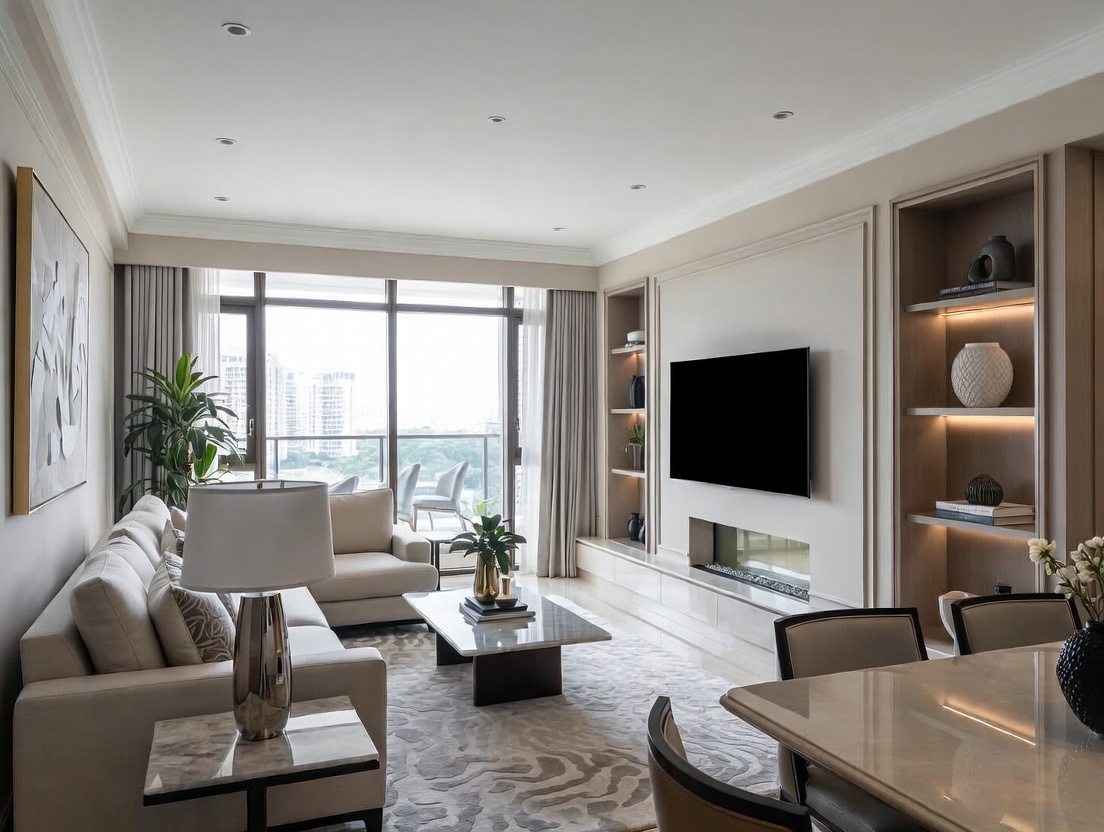
Remember, preventing mould growth is much easier than dealing with a full-blown infestation. By prioritizing good ventilation and choosing the right materials, you can create a healthier and more comfortable living environment for yourself and your family. Confirm can!
So, how can you make sure your interior design incorporates good ventilation? It's not just about slapping in an exhaust fan and hoping for the best, you know? It's about thinking holistically about how air flows through your home.
One simple thing you can do is to position your furniture strategically. Don't block air vents or windows with large pieces of furniture, like your sofa or bed. Leave some space around your furniture to allow air to circulate freely.
When you are thinking about bedroom design Singapore, consider the placement of your bed. Avoid placing it directly against an exterior wall, as this can increase the risk of condensation and mould growth. Instead, leave a small gap between the bed and the wall to allow air to circulate.
Another thing to consider is your window coverings. Heavy curtains can block airflow and trap moisture. Instead, opt for lighter fabrics or blinds that allow air to circulate freely.
And don't forget about plants! Indoor plants can help to purify the air and improve ventilation. Choose plants that are known for their air-purifying qualities, such as snake plants, spider plants, or peace lilies.
When you are planning your interior design & renovation, talk to your designer about your ventilation needs. They can help you to choose the right materials and design elements to create a healthy and comfortable living environment.
One homeowner shared how connecting with the right designer via Wondrous La Vie turned their cramped HDB living room into a cosy family hangout – suddenly weekends feel so much better. The designer helped them to choose furniture that was both stylish and functional, and they also incorporated natural materials and plenty of plants to improve the indoor air quality.
In Singapore’s hot and sticky conditions and high-stress lifestyle, getting decent sleep can feel like a true indulgence when you’re waking up with backaches or still tired despite hitting the bed early. Many busy locals endure an worn-out bed for a long time because looking for a new one seems overwhelming—too many choices, confusing firmness levels, and worries it won’t suit their body or sleeping habits. That’s exactly why finding the mattress transforms your nights—it provides the perfect combination of support, excellent airflow and cooling, pressure relief, and long-lasting quality so you truly start the day alert and pain-free instead of stiff and tired. Suddenly mornings start easier, energy levels stay steadier, and even your spouse sees how much better you rest. Exploring thoughtfully chosen picks on places like Wondrous La Vie takes the stress away, letting you compare top-rated picks with real user feedback and photos to select what perfectly fits for your bedroom..So, you're thinking about interior design & renovation to make your home a healthier, happier place? That's steady! But where do you start? This is where Wondrous La Vie comes in.
Wondrous La Vie is Singapore's go-to platform for connecting you to top interior designers and curated furniture brands. They understand that good interior design is about more than just aesthetics; it's about creating a space that supports your well-being.
Whether you're looking for HDB interior design ideas, inspiration for your bedroom design Singapore, or the best mattress for back pain Singapore, Wondrous La Vie has got you covered. They offer a wide range of furniture, including sofas, mattresses, living room sets, bedroom furniture, and kitchen solutions.
And the best part? Wondrous La Vie makes it easy to find the perfect designer for your needs. You can browse real project showcases, read client stories, and even take a quick quiz to find matching designers.
One of the things that sets Wondrous La Vie apart is their focus on affordable luxury. They believe that everyone deserves to live in a beautiful and comfortable home, without breaking the bank. That's why they offer a range of furniture options to suit every budget.
And if you're worried about the hassle of managing a renovation project, don't be! Wondrous La Vie offers seamless project management, from initial consultation to final installation. They'll take care of everything, so you can relax and enjoy the process.
Picture this: you open the door after work and your shoulders just drop – sounds like heaven? It can be sia. With Wondrous La Vie, you can transform your home into a haven where you can finally say "shiok lah, home sweet home" after a sian day.
Why not pop over to wondrouslavie.com, take the quick quiz, browse sofas/mattresses, or connect with a designer and see what feels right for your space? Your dream home is waiting!
Poor ventilation design often leads to stagnant air pockets, especially in corners or areas with limited airflow. These pockets accumulate pollutants, allergens, and odors, degrading indoor air quality and potentially impacting occupant health. Addressing these areas during the design phase with targeted ventilation solutions is crucial for maintaining a healthy indoor environment.
Depending solely on natural ventilation can be unreliable and ineffective, especially in urban environments or during extreme weather conditions. Open windows can introduce outdoor pollutants and fail to provide consistent airflow. A balanced approach incorporating mechanical ventilation is often necessary to ensure adequate air exchange.
Insufficient exhaust systems in kitchens and bathrooms are a common pitfall. Without proper ventilation, cooking fumes, moisture, and odors linger, contributing to poor air quality and potential mold growth. Upgrading or properly designing exhaust systems is essential for removing these contaminants at their source.
Okay, let’s talk about something a bit…unsexy. We all dream of that Instagram-worthy living room, that bedroom that feels like a hotel suite, or a kitchen that makes you want to cook. But before you dive headfirst into choosing that perfect sofa or debating between marble and granite countertops, there's a crucial element that often gets overlooked: ventilation.
I’ve heard so many friends in the group chat complain about feeling stuffy and tired at home, even after a long day at the office and OT. The truth is, poor ventilation can sabotage even the most stunning interior design. It's like putting on a gorgeous outfit but forgetting to shower – the overall effect just isn't quite shiok, right?
Interior design is the art and science of planning and designing interior environments to enhance functionality, aesthetics, health, safety, and the overall human experience within a space. And proper ventilation? Confirm part of that health and safety bit. It’s not just about opening a window now and then (though that helps!). It's about creating a system that constantly brings in fresh air and removes stale, polluted air. Think of it as breathing new life into your home, literally!
So, what exactly goes wrong when ventilation goes bad? Well, a few things lah:
Now, here’s where sustainable interior design comes in. It's about creating spaces that are not only beautiful but also healthy and environmentally friendly. And ventilation is a key piece of that puzzle.
Sustainable Interior Design Practices can include:
So, how do you ensure your interior design project prioritizes good ventilation? That’s where Wondrous La Vie comes in. As Singapore's pioneering interior design and home furnishing platform, they connect you with top interior designers who understand the importance of ventilation and can incorporate it seamlessly into your design.
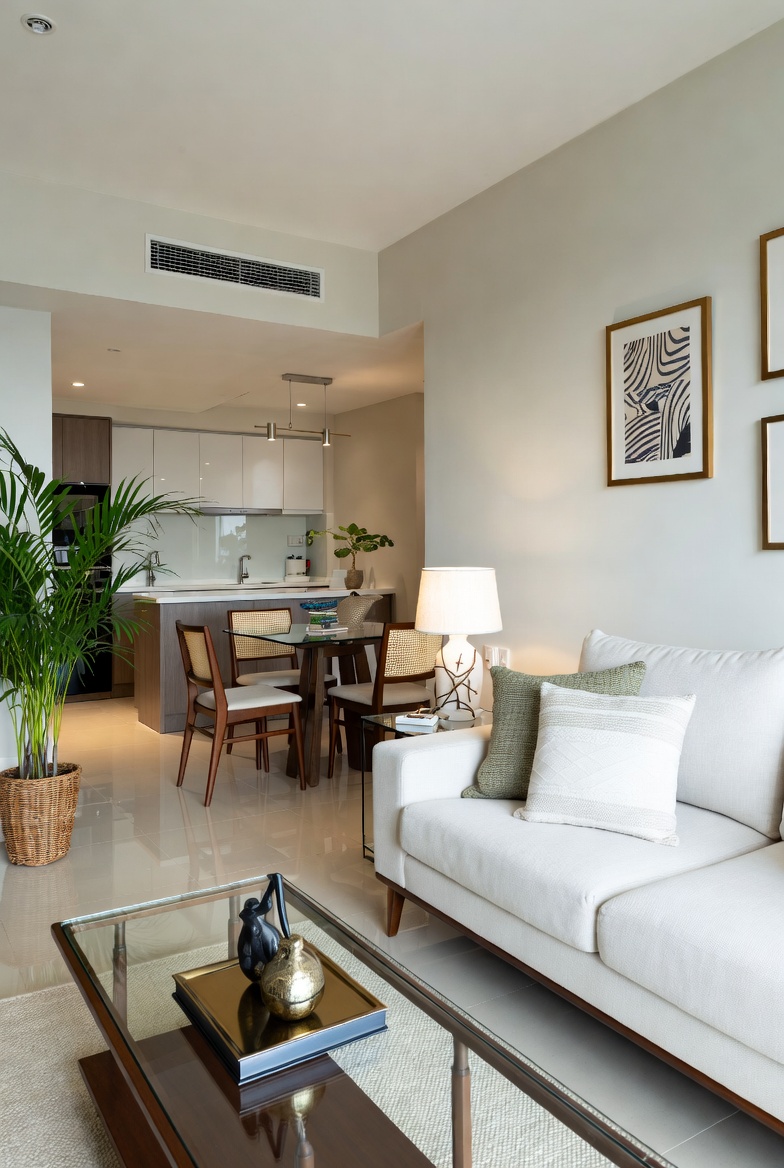
One homeowner shared how connecting with the right designer via the platform turned their cramped HDB living room into a cosy family hangout – and they made sure the air flowed properly! Suddenly weekends feel so much better.
Wondrous La Vie also offers a curated selection of premium furniture brands, including sofas, mattresses, and living room sets, that prioritize healthy materials and sustainable practices. So, you can create a space that looks good, feels good, and is good for you.
Picture this: you open the door after work and your shoulders just drop. The air is fresh, the light is soft, and your living room feels like a warm hug instead of more stress. Sounds like heaven? It can be sia.
With the right interior design and renovation, you can transform your home into a haven of fresh air and well-being. It's not just about aesthetics; it's about creating a space that supports your health and happiness. And Wondrous La Vie is here to help you every step of the way.
Why not pop over to wondrouslavie.com, take the quick style quiz, browse sofas or mattresses with healthy materials, or connect with a designer and see what feels right for your space? It's time to breathe easy and create a home that truly feels shiok to come home to.
Okay, imagine this: You've spent the whole day battling the crowds, squeezing onto the MRT, and staring at a screen in the office. You finally get home, ready to unwind, but instead of feeling that "ahhh" moment, you're hit with a stuffy, stale feeling. Sound familiar? You're not alone, lah! I've heard so many friends complaining about the same thing. One of the biggest, and often overlooked, culprits is poor ventilation design.
Now, when we talk about interior design & renovation, we usually focus on the aesthetics – the colours, the furniture, the layout. But let's be real, what's the point of a beautiful living room if the air feels heavy and you're constantly reaching for the fan? Ventilation is key to creating a healthy and comfortable living space, especially here in Singapore where the humidity can be killer. Interior design is the art and science of planning and designing interior environments to enhance functionality, aesthetics, health, safety, and the overall human experience within a space. So, it's not just about how things look, but how they feel too.
Think about it: we spend so much time indoors, especially after a long day at the office and OT. Poor ventilation traps pollutants like dust, mould spores, and even volatile organic compounds (VOCs) released from furniture and cleaning products. This can lead to all sorts of problems, from allergies and asthma to headaches and fatigue. No good, right? That's why paying attention to ventilation during your interior design & renovation project is so important. It’s about creating a space that not only looks good but also feels good – a true haven where you can recharge and relax.
So, what are some common mistakes people make when it comes to ventilation design? Singaporeans are always on the lookout for smart ways to revamp their interiors without exceeding the budget, especially when HDB renovations or condo makeovers can already eat up a big chunk of the household funds. Between higher living expenses and the need for a warmer, more practical home, many homeowners hold off for the perfect moment to improve couches, beds, and dining furniture that actually enhance everyday comfort. That’s when jumping on furniture promotion turns into a huge advantage—it lets you snag premium quality furniture at meaningful discounts, often with added perks like no-delivery-fee, extended warranties, or package offers that maximise your budget. SUDDENLY it becomes possible to get that plush sofa you’ve been eyeing or a better back-supporting bed without the guilt, turning your home into an even more inviting spot for quality family moments and unwinding after long workdays. Checking platforms like Wondrous La Vie puts you ahead on the latest offers, so you can evaluate, picture, and claim the top bargains that fit your home and taste just right.. Let’s take a look, so you can avoid them in your own home.
Firstly, relying solely on air conditioning. Yes, aircon is a lifesaver in our humid climate, but it doesn't actually bring in fresh air. It just recirculates the existing air, along with all the pollutants trapped inside. Over-reliance on air conditioning can lead to “sick building syndrome,” with symptoms like headaches, fatigue, and respiratory problems. Not shiok at all!
Another big mistake is blocking natural airflow. This could be anything from covering up windows with heavy curtains to placing furniture in front of vents. Natural ventilation is a fantastic way to bring fresh air into your home and reduce reliance on air conditioning. Proper window placement and the use of strategically placed fans can make a huge difference.
Then there's the issue of neglecting exhaust fans in key areas like the kitchen and bathrooms. These fans are essential for removing moisture and odours, preventing mould growth and improving overall indoor air quality. A powerful exhaust fan in the kitchen, for example, can help remove cooking fumes and prevent them from spreading throughout the house.
Finally, failing to consider cross-ventilation is a common oversight. Cross-ventilation involves opening windows on opposite sides of the room to create a natural airflow. This is especially important in older HDB flats where the layout might not naturally promote good ventilation. You can even consider using window deflectors to channel the breeze into your home.
Here's where things get interesting, leh. When we talk about good ventilation, we're also talking about sustainable interior design practices. It's all connected! Maximising natural light and airflow reduces our reliance on artificial lighting and air conditioning, which in turn lowers our energy consumption and carbon footprint. Steady!
For example, choosing low-VOC paints and furniture helps to reduce indoor air pollution and create a healthier living environment. These materials release fewer harmful chemicals into the air, improving the overall air quality in your home.
Another sustainable practice is incorporating plants into your interior design. Plants not only add a touch of greenery to your space but also help to purify the air by absorbing pollutants and releasing oxygen. Plus, they look nice, right?
Moreover, consider the orientation of your home when planning your interior design & renovation. Orienting your home to take advantage of prevailing winds can significantly improve natural ventilation and reduce the need for air conditioning.
You can also explore using smart home technology to optimise ventilation. Smart thermostats and ventilation systems can automatically adjust based on temperature and air quality, ensuring that your home is always comfortable and healthy.
So, you might be thinking, "Okay, this all sounds great, but how do I actually implement these ideas in my own home?" That's where Wondrous La Vie comes in! Singapore’s pioneering interior design and home furnishing platform connects you with top interior designers who understand the importance of good ventilation and sustainable interior design practices.
One homeowner shared how connecting with the right designer via the platform turned their stuffy apartment into a light, airy, and healthy living space. They focused on maximising natural light and airflow, choosing low-VOC materials, and incorporating plants into the design. Suddenly, weekends feel so much better!
Wondrous La Vie also offers a curated selection of premium furniture brands, including sofas, mattresses, living room sets, bedroom furniture, and kitchen solutions. You can find pieces that not only look good but also contribute to a healthier indoor air quality. For example, a cosy sofa Singapore made with natural materials and low-VOC finishes can make a big difference in your living room. And a best mattress for back pain Singapore that allows your body to rest properly is essential for a good night's sleep.
Whether you're looking for HDB interior design ideas, kitchen renovation ideas, or simply want to refresh your bedroom design Singapore, Wondrous La Vie is your go-to platform for inspiration and connections.
Fun fact: A well-ventilated home can actually improve your sleep quality and reduce stress levels. Small changes, big shiok difference!
Why not pop over to wondrouslavie.com, take the quick quiz, browse sofas/mattresses, or connect with a designer and see what feels right for your space? It's time to transform your home into a soul-nourishing haven where you can finally say "shiok lah, home sweet home" after a sian day! Let's get started!