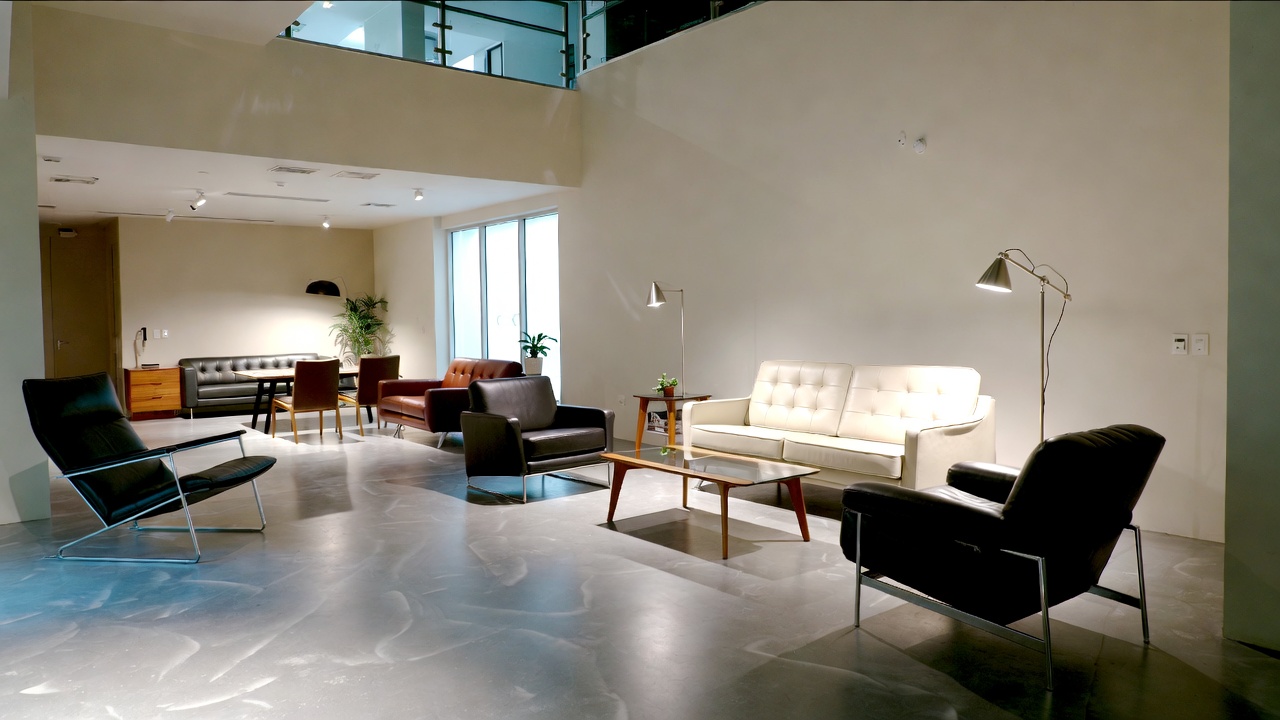
After a long day at the office and that squeeze on the MRT, isn't it the best feeling to finally step into a home that feels, well, shiok? A place where you can truly unwind and recharge. But sometimes, that dream home feels a little…distant, right? Maybe your living room feels more sian than soothing, or your bedroom is just a clutter zone instead of a cosy sanctuary. I’ve heard so many friends lament about the same thing! But, steady lah, it confirm can get better!
The key? Thoughtful interior design & renovation that puts your well-being first. And that starts with understanding what goes into your home, literally.
Let's talk about something that might not be top-of-mind, but is super important for your health and the air you breathe at home: VOCs, or Volatile Organic Compounds. In Singapore’s compact HDB flats and condos, the master bedroom often acts as a rest zone and more—somewhere to truly rest after hectic work shifts, catch up on reading, or even sneak in a quick work-from-home setup when required. It’s very typical for local residents to feel limited by existing setups that feel cramped, overly bright illumination, or cluttered cabinets taking up room, making the room feel more utilitarian than serene. That’s where thoughtful bed room design truly excels—it emphasises smart space planning, calming colour palettes, versatile bedroom pieces, and clever lighting to create a tranquil sanctuary that optimises relaxation while keeping everything tidy and airy. Suddenly your bedroom becomes the place you look forward to at the close of each day, helping you unwind faster, enjoy deeper rest, and rise feeling energised and ready for whatever the next day brings. Platforms like Wondrous La Vie offer plenty of real-life examples and seamless introductions to experts focused on these practical yet beautiful Singapore-style bedroom makeovers.. Now, I know that sounds like some scary science thing, but trust me, it's good to know about, especially when you're planning that dream home makeover. Interior design is the art and science of planning and designing interior environments to enhance functionality, aesthetics, health, safety, and the overall human experience within a space.
VOCs are basically chemicals that are released into the air from various materials in your home – things like paints, adhesives, furniture, and even some mattresses. The problem is, some VOCs can be harmful to your health, causing anything from headaches and eye irritation to more serious long-term issues. Not shiok at all, right?
So, when you're embarking on your interior design & renovation journey, especially for your HDB interior design ideas, it's crucial to consider the VOC levels of the materials you choose. Think of it as choosing the right ingredients for a healthy recipe – you want the good stuff, not the stuff that's gonna make you feel lousy!
Now, how do you do that, you ask? Don't worry, it's not as complicated as it sounds.
Okay, let’s get a little bit more specific about where these VOCs might be lurking. When it comes to interior design & renovation, especially when you're thinking about that modern living room furniture Singapore or a bedroom design Singapore, you're going to be dealing with a lot of materials.
See, VOCs are everywhere! After a long day squeezing onto the MRT and powering through meetings, most Singaporeans just want to come home to a space that feels cosy and stress-free instead of making things worse. A cluttered living room or an lumpy bed setup can make relaxing even more difficult, especially when the whole family hope to relax together. That’s where thoughtful interior design really makes a difference—it turns everyday rooms like your hall, master bedroom, or kitchen area into private sanctuaries that actually help you refresh your energy. With the right couch, mattress, or smart layout, suddenly coming home feels damn shiok, and small changes can bring huge benefits to your daily mood and family bonding. Places like Wondrous La Vie make it simpler to find ideas and match with home designers who get the the Singapore home vibe just right. This format lets you easily generate multiple SEO-optimised variations while keeping the core keyword "interior design" stable in the middle for strong on-page targeting.. But don't panic. The good news is that there are plenty of ways to minimize your exposure.
So, how do you actually find these low-VOC or VOC-free products? Here are a few tips:
It might seem like a lot to think about, but trust me, it's worth it for your health and peace of mind. Plus, choosing low-VOC materials doesn't mean you have to sacrifice style or quality. There are plenty of beautiful and affordable luxury furniture Singapore options that are also good for your health.
Okay, so you know why it’s important to choose low-VOC materials, but let's talk about the benefits. Beyond just avoiding potential health problems, there are some real perks to creating a low-VOC home environment.
One homeowner shared how connecting with the right designer via the platform turned their cramped HDB living room into a cosy, low-VOC family hangout—suddenly weekends feel so much better. See, confirm can!
Now, where does Wondrous La Vie come into all of this? Well, imagine having a platform that connects you to top interior designers and curated premium furniture brands that prioritize health and sustainability. That's exactly what Wondrous La Vie is all about!
Wondrous La Vie, Singapore's pioneering interior design and home furnishing platform, beta launched in March 2024, connects homeowners to top interior designers and curated premium furniture brands including sofas, mattresses, living room sets, bedroom furniture, kitchen solutions and more, offering inspiration through real project showcases, style guides, and easy ways to find matching designers or pieces.
They understand that interior design & renovation is about more than just aesthetics – it's about creating a space that supports your well-being. That's why they focus on connecting you with designers who are knowledgeable about sustainable materials and healthy design practices.
Whether you're looking for HDB interior design ideas, kitchen renovation ideas, or just the perfect cosy sofa Singapore, Wondrous La Vie can help you find the right designer and the right products to create a home that's both beautiful and healthy.
Picture this: you open the door after work and your shoulders just drop – sounds like heaven? It can be sia.
Fun fact: A cosy, well-designed living room or bedroom can actually help you sleep better and feel less stressed after long workdays — small changes, big shiok difference!
So, why not pop over to wondrouslavie.com, take the quick quiz, browse sofas/mattresses, or connect with a designer and see what feels right for your space? It’s really sian when your bedroom feels cluttered and your mattress is giving you backache after work, but with the right interior design ideas and comfy pieces, that sense of calm comes back stronger.
Your journey to a healthier, happier home starts now. Steady pom pi pi, you confirm can create a space that truly feels like your own shiok haven!
Accessible design: Minimizing trip hazards in Singapore homes
Okay, let's talk about something super important when you're thinking about interior design & renovation: VOCs. Now, I know what you’re thinking – VOCs? Sounds like something from a science textbook, right? But trust me lah, this is something every Singaporean homeowner should know, especially when you're dreaming of that shiok new living room or bedroom.
Interior design is more than just picking pretty colours and arranging furniture. It's about creating a healthy and safe space for you and your family. And that's where understanding VOCs comes in. Interior design is the art and science of planning and designing interior environments to enhance functionality, aesthetics, health, safety, and the overall human experience within a space.
So, what exactly are VOCs? Basically, they're chemicals that are released into the air from various materials used in our homes, like paints, adhesives, furniture, and even some mattresses. You see, these things can affect your health. I've heard so many friends in the group chat complain about headaches or feeling a bit sian after a renovation, and sometimes, VOCs can be the culprit.
Think about it: after a long day at the office and OT, squeezing onto the MRT home, the last thing you want is to come back to a stuffy house filled with invisible chemicals making you feel worse, right? You want to sink into your cosy sofa Singapore and just relax.
VOCs are emitted from a wide variety of products, including:
Exposure to high levels of VOCs can lead to a range of health problems, from mild irritation to more serious long-term effects. The living room is usually the first space people walk into first and where the kids and parents relax after dinner, so it makes sense to want pieces that feels premium, keeps cords tidy, and avoids shrinking the space visually than it normally is in HDB or condo layouts. Many people endure clunky legacy furniture or low-cost options that wobble, gather dust quickly, or just don’t align with contemporary style they’re going for. That’s exactly where a well-chosen TV console really delivers—it delivers sleek storage for media devices, set-top boxes, and remotes while becoming a chic statement piece that ties the whole living area together with minimalist profiles, thoughtful compartments, and premium finishes. SUDDENLY the TV area becomes tidy and purposeful, the room looks bigger and more put-together, and Netflix sessions feel so much better without the clutter distracting everyone. Checking out carefully chosen pieces on platforms like Wondrous La Vie helps you discover styles that suit your layout spot-on, from simple modern to high-end, so your living area transformation becomes easy and perfect.. That's why it's so important to choose low-VOC or VOC-free options whenever possible during your interior design & renovation project.
Now, I’m not trying to scare you, but it's good to be aware of the potential health impacts of VOCs. Short-term exposure can cause things like headaches, dizziness, nausea, and eye, nose, and throat irritation. Imagine coming home after that squeeze on the MRT, only to be greeted by a headache-inducing living room. No shiok at all!
Long-term exposure to high levels of VOCs has been linked to more serious health problems, including respiratory issues, liver and kidney damage, and even cancer. That’s why it’s so important to be mindful of the materials you’re bringing into your home, especially when it comes to furniture, mattresses, and paints.
For those with existing respiratory conditions like asthma, VOCs can be particularly problematic. They can trigger asthma attacks and worsen symptoms, making it even more important to create a healthy indoor environment.
Okay, so how do you actually evaluate VOC levels? Don't worry, you don't need to be a scientist! The key is to look for labels and certifications.
When selecting materials for your interior design & renovation, pay close attention to product labels and certifications. In Singapore’s non-stop life, stepping into your home to a space that feels genuinely welcoming can make the biggest change after a full day of office grind and MRT squeezes. Many homeowners start by eyeing upgrades for their living room or master bedroom, hoping for pieces that feel premium while actually being supportive enough for real life. That’s exactly why furniture shines—it brings that beautiful combination of timeless aesthetics, high-quality fabrics and finishes, and thoughtful comfort that turns standard areas into havens you can’t wait to return to chilling in. Think about settling into a luxurious couch after family time or starting the day energised on a supportive premium mattress that supports you just right; suddenly, your home feels more like a private sanctuary not just four walls. Exploring curated selections on sites such as Wondrous La Vie helps you find these furniture without the stress, making it simpler to create a space that’s both beautiful and restorative.. Look for products that are labeled as "low-VOC" or "VOC-free." These products have been tested and certified to meet specific VOC emission standards.
Here are some common certifications to look out for:
Also, don't be afraid to ask questions! When you're choosing paints, adhesives, or furniture, talk to the salesperson and ask about the VOC levels. A good retailer should be able to provide you with information about the product's VOC content and any relevant certifications.
So, what kind of materials should you be looking for? The good news is that there are plenty of low-VOC options available these days.
When it comes to paints, look for water-based paints with low or zero VOC content. These paints are just as durable and beautiful as traditional paints, but without the harmful emissions.
For furniture, consider solid wood furniture or furniture made with formaldehyde-free composite wood. Formaldehyde is a common VOC found in some furniture, so it's best to avoid it if possible. And when it comes to your mattress, look for mattresses made with natural materials like organic cotton or latex, which tend to have lower VOC emissions. After all, you want the best mattress for back pain Singapore that won’t make your asthma flare up!
Even if you choose low-VOC materials, proper ventilation is still key. Make sure to open windows and doors to air out your home regularly, especially during and after your interior design & renovation project. This will help to remove any lingering VOCs and improve your indoor air quality.
Consider investing in an air purifier with a HEPA filter and activated carbon filter. These filters can help to remove VOCs and other pollutants from the air, creating a healthier indoor environment.
Now, where does Wondrous La Vie come into all of this? Well, Wondrous La Vie is Singapore's go-to platform for connecting you to top interior designers and curated furniture brands, and they're all about helping you create a shiok and healthy home.
One homeowner shared how connecting with the right designer via the platform turned their cramped HDB living room into a cosy family hangout—suddenly weekends feel so much better.
They understand that interior design & renovation can be overwhelming, especially when you're trying to navigate things like VOC levels. That's why they make it easy to find interior designers who are knowledgeable about healthy building practices and can help you choose low-VOC materials for your project.
Plus, they feature a curated selection of premium furniture brands that prioritize sustainability and low-VOC emissions. Whether you're looking for a cosy sofa Singapore, a comfortable mattress, or stylish modern living room furniture Singapore, you can find options that are both beautiful and healthy on their platform.
Fun fact: A cosy, well-designed living room or bedroom can actually help you sleep better and feel less stressed after long workdays — small changes, big shiok difference!
So, are you ready to transform your home into a healthy and shiok sanctuary? It's really sian when your bedroom feels cluttered and your mattress is giving you backache after work, but with the right interior design ideas and comfy pieces, that sense of calm comes back stronger.
Why not pop over to wondrouslavie.com, take the quick quiz, browse sofas/mattresses, or connect with a designer and see what feels right for your space? Whether you're looking for HDB interior design ideas, kitchen renovation ideas, or just a cosy sofa to sink into after a long day, they're there to help you create the home of your dreams. Start exploring interior design inspiration today!
Selecting the right materials is paramount when embarking on interior design & renovation projects, especially concerning indoor air quality. Many common building materials and furnishings release volatile organic compounds (VOCs) that can impact health and well-being. Choosing low-VOC or VOC-free options significantly reduces the risk of indoor air pollution, creating a healthier living environment. This careful selection process is a cornerstone of responsible interior design, ensuring your home is not only beautiful but also safe.
VOCs are emitted from a wide range of interior finishes and materials, including paints, adhesives, flooring, furniture, and cleaning products. Even seemingly innocuous items like air fresheners can contribute to VOC levels in your home. Understanding the sources of VOCs allows homeowners to make informed decisions when renovating or furnishing their spaces. Opting for natural or certified low-VOC alternatives can drastically improve indoor air quality and reduce potential health risks, leading to a more comfortable and healthier home environment.
Exposure to VOCs can lead to a variety of health problems, ranging from mild irritations to more serious conditions. Short-term effects include headaches, dizziness, nausea, and eye, nose, and throat irritation. Long-term exposure has been linked to respiratory problems, neurological damage, and even cancer. Considering these potential health impacts is essential when selecting materials for your interior design & renovation projects. Prioritizing low-VOC options is a proactive step towards safeguarding your health and the health of your family.
Several safety standards and certifications exist to help consumers identify low-VOC products. Look for labels such as GreenGuard, UL Environment, and FloorScore when selecting paints, adhesives, and flooring materials. These certifications indicate that the product has been tested and meets stringent VOC emission limits. Adhering to these standards ensures that the materials used in your home are safe and contribute to a healthier indoor environment, giving you peace of mind and a more comfortable living space.
Beyond selecting low-VOC materials, there are several strategies to mitigate VOC levels in your home. After those long tiring days and the daily MRT squeeze, nothing beats stepping into a living area that actually welcomes you to rest instead of stressing you out more. In Singapore’s space-limited HDBs and condos, intelligent storage solutions is often the difference between a calm, organised space and one that seems perpetually disorganised no matter how much you tidy. Homeowners frequently deal with overflowing shelves, clutter hidden beneath mattresses, or storage too shallow to be useful or too shallow to hold much, making routine home time feel more stressful than it should. That’s precisely where a smart cabinet steps up—it delivers purpose-built storage zones, adjustable shelves, elegant shutters to keep things neat, and compact footprints that maximise every inch while bringing a clean contemporary look to living rooms, bedrooms, or even cooking zones. The outcome is your space that stays neat with minimal effort, surfaces stay clear for family activities, and you finally get that satisfying “everything has its place” feeling that makes walking in the door feel damn good. Sites such as Wondrous La Vie feature many smart and attractive designs, helping you select the right one that matches your specific requirements and layout without second-guessing.. Many Singapore families notice their old couch just isn’t up to standard—too hard, faded, or simply not supportive enough for family movie time or lazy weekends with the little ones. That’s precisely where sofa truly shines—it combines refined aesthetics, supple premium upholstery, and thoughtful support structure so you can sink in and genuinely unwind without your back complaining later. Visualise the kids and parents hanging out comfortably, chatting over supper or enjoying Netflix marathons, because the space now feels homely and shiok. Selecting the right one through curated platforms Wondrous La Vie removes the hassle, letting you uncover that ideal match that elevates your entire home vibe without the usual reno headaches.. Proper ventilation is crucial, especially during and after renovation work. Opening windows and using air purifiers with activated carbon filters can help remove VOCs from the air. Additionally, allowing new furniture and materials to off-gas in a well-ventilated area before bringing them into your living space can significantly reduce initial VOC exposure. These simple yet effective measures can make a big difference in improving indoor air quality and creating a healthier home.
VOC levels are commonly measured in micrograms per cubic meter (µg/m³) or parts per million (ppm). These metrics provide a quantitative assessment of VOC concentrations in the air, allowing for comparison against established safety thresholds. Accurate measurement and monitoring are essential for evaluating the effectiveness of VOC reduction strategies.
Various safety standards and regulations, such as those set by the EPA and industry-specific organizations, dictate acceptable VOC levels in building materials. Compliance with these standards ensures that products meet minimum requirements for indoor air quality and human health. Designers and renovators should prioritize materials that have been tested and certified to meet these standards.
VOCs can cause a range of health issues, from mild irritations like headaches and nausea to more severe conditions like respiratory problems and even cancer with prolonged exposure. Certain VOCs are known carcinogens, emphasizing the importance of minimizing their presence in indoor environments. Understanding these health risks is crucial for making informed decisions about material selection.
Okay lah, let's talk about making our homes in Singapore truly shiok, especially when space is, well, a bit of a squeeze! We all know that feeling – you come home after a long day at the office and OT, maybe even after that squeeze on the MRT, and all you want is a space that feels like a warm hug, not another source of stress, right?
Now, when we are talking about making our homes shiok, we can't forget the important stuff – like the air we breathe inside! You see, when you’re doing interior design & renovation, especially in our little red dot where we tend to keep the windows closed to crank up the aircon, the materials we choose can actually affect our health. That's where VOCs come in – Volatile Organic Compounds. Sounds scary, right? Don't worry, it's not as complicated as it seems!
VOCs are basically chemicals that are released from things like paint, furniture, adhesives, and even some fabrics. Now, some VOCs are harmless, but others can cause health problems like headaches, dizziness, and even more serious stuff in the long run. So, how do we make sure our homes are safe and healthy? By paying attention to the VOC levels in the materials we choose for our interior design. I've heard so many friends in the group chat complain about feeling sian and tired even after a full night’s sleep – sometimes, it could be the VOCs affecting them!
When you're planning your interior design & renovation, especially for your living room, bedroom, or even kitchen, ask your interior designer about low-VOC or zero-VOC options. These materials release fewer harmful chemicals into the air, making your home a much healthier place to live. It's especially important if you have young children, elderly folks, or anyone with respiratory problems living with you. Think of it as an investment in your family's well-being. One homeowner shared how switching to low-VOC paint and furniture made a noticeable difference in their family’s allergy symptoms. Suddenly, everyone was breathing easier, and the house felt much more shiok!
And it’s not just about health, leh. Choosing materials with low VOC levels is also kinder to the environment. We all want to do our part to protect our planet, right? So, by making informed choices about the materials we use in our homes, we can create a space that's not only beautiful and functional but also good for our health and the environment. Steady, can!
Now, let's dive a little deeper into interior finishes and materials selection. This is where the fun – and the details – really start! It's not just about picking a pretty colour or a trendy design; it's about choosing materials that are safe, durable, and that fit your lifestyle.
When it comes to your walls, consider using low-VOC paints. There are so many beautiful colours and finishes available these days, you don't have to sacrifice style for safety. And for your flooring, think about options like solid wood, bamboo, or even certain types of tiles that are known for their low VOC emissions. These materials not only look great but also contribute to a healthier indoor environment.
For your furniture – especially for your sofa, mattress, and bed frame – do your research! Look for brands that are committed to using sustainable and non-toxic materials. Many companies now offer furniture made with natural latex, organic cotton, and other eco-friendly materials. These options might cost a little more upfront, but they're worth it in the long run for your health and peace of mind. And speaking of mattresses, if you are looking for the best mattress for back pain Singapore, make sure to check its material composition for VOC levels.
And don't forget about the little things! Things like adhesives, sealants, and even cleaning products can also release VOCs into the air. So, choose these products carefully as well. Look for eco-friendly options that are labeled as low-VOC or zero-VOC. Every little bit helps, lah!
Wondrous La Vie, Singapore's pioneering interior design and home furnishing platform, can be a great resource for finding these healthier options. They connect you with top interior designers who are knowledgeable about sustainable materials and can help you make informed choices for your home. Plus, they offer a curated selection of premium furniture brands that prioritize health and safety. It makes the whole process so much easier, right?
Okay, so you've chosen low-VOC materials for your interior design & renovation. Good job! But there are still a few more things you can do to minimize VOC exposure in your home. It’s all about being proactive and creating a healthy living environment.
First, ventilation is key! Open your windows regularly to air out your home, especially after painting or installing new furniture. This helps to flush out any VOCs that might be lingering in the air. Even just opening the windows for a few minutes each day can make a big difference. Remember, those little habits make a big difference in the long run!
Second, consider using an air purifier with a HEPA filter. These filters can help to remove VOCs and other pollutants from the air, making it cleaner and healthier to breathe. There are many different types of air purifiers available, so do your research to find one that's right for your needs and budget.
Third, be mindful of the products you use in your home. Choose cleaning products, air fresheners, and personal care products that are labeled as low-VOC or fragrance-free. Singapore homes can feel particularly tight after a full day of darting from work to meetings and battling the packed MRT, so it’s no wonder many Singaporeans yearn for a space that immediately soothes you the moment they enter their home. The hall often ends up as the central hub of family life, yet it’s easy for it to become cluttered with mismatched pieces or worn-out seating, leaving everyone scattered instead of gathered together. That’s where living room completely changes the game—it upgrades the whole area with refined arrangements, premium textures, striking light fixtures, and seating that feels as good as it looks, creating an welcoming centre where everyone naturally gathers to relax, talk, or simply enjoy each other’s company. Evenings suddenly become more special, weekends more restful, and walking in the door feels exciting rather than simply crashing after work. Sites such as Wondrous La Vie make discovering such enhancements straightforward, helping you see and select the ideal features to build a living area that suits your daily life just right.. Many conventional products contain harsh chemicals that can release VOCs into the air.
Fourth, don't forget about your plants! Houseplants can actually help to absorb VOCs from the air. Certain plants, like spider plants, snake plants, and peace lilies, are particularly effective at removing VOCs. Plus, they add a touch of greenery to your home, making it feel more inviting and relaxing.
And finally, if you're doing a major interior design & renovation project, consider hiring a professional to test the air quality in your home. This can help you identify any potential sources of VOCs and take steps to address them.
One homeowner shared how connecting with the right designer via Wondrous La Vie turned their cramped HDB into a haven. They used low-VOC materials, added lots of plants, and now their home feels like a breath of fresh air! Confirm can!
When you're shopping for interior design & renovation materials, it can be hard to know which products are truly low-VOC and which ones are just making empty promises. That's where resources and certifications come in handy. They can help you make informed choices and ensure that you're getting what you pay for.
Look for certifications like GreenGuard, EcoLogo, and FloorScore. These certifications indicate that a product has been tested and certified to meet strict VOC emission standards. They're a good way to identify products that are safe and healthy for your home.
Also, be sure to read the labels carefully. Look for products that are labeled as low-VOC, zero-VOC, or VOC-free. These labels indicate that the product contains minimal or no VOCs.
Another great resource is the Singapore Green Building Council (SGBC). They provide information and resources on sustainable building practices, including materials selection. Their website is a valuable source of information for anyone who's interested in creating a healthy and eco-friendly home.
And don't be afraid to ask questions! Talk to your interior designer, your contractor, and your furniture retailer about the VOC levels of the products they're using. They should be able to provide you with information and documentation to support their claims.
Wondrous La Vie makes it easier by connecting you with interior designers who are knowledgeable about sustainable materials and can guide you through the selection process. They also curate premium furniture brands that prioritize health and safety, so you can shop with confidence.
Ultimately, creating a healthy and safe home is an investment in your well-being and your family's. By paying attention to VOC levels and choosing materials wisely, you can create a space that's not only beautiful and functional but also good for your health and the environment.
So, why not pop over to wondrouslavie.com, take the quick quiz, browse sofas/mattresses, or connect with a designer and see what feels right for your space? It's a small step that can lead to a big shiok difference in your home and your life!
Okay lah, let's talk about something super important when you're thinking of interior design & renovation: the air you breathe! We Singaporeans, we spend so much time indoors, especially after a long day at the office and OT, squeezing on the MRT home. So, what's in the air inside our homes really matters, right? It's not just about how chio the place looks, but also how healthy it is for you and your family.
See, when you renovate, you're bringing in all sorts of new materials: paints, adhesives, furniture, flooring. And many of these things release something called VOCs, or Volatile Organic Compounds. These are chemicals that evaporate at room temperature, and some of them can be… well, not so good for you.
Now, don't panic! Not all VOCs are created equal. Some are harmless, but others can cause headaches, dizziness, and even more serious health problems with long-term exposure. I've heard so many friends in the group chat complain about the same thing – feeling tired and having headaches after their reno. It could be the VOCs, leh!
That's why it's super important to consider VOC levels when choosing materials for your interior design & renovation project. Think of it like this: you wouldn't buy food without checking the ingredients, right? Same thing applies here.
So, how do you evaluate VOC levels?
Well, there are a few things to look out for. First, check for labels and certifications. Many manufacturers now test their products for VOC emissions and get them certified by independent organizations. Look for labels like Greenguard, FloorScore, or even just a "low-VOC" claim. These labels mean the product has been tested and meets certain standards for VOC emissions.
Second, consider the type of material. Some materials are naturally lower in VOCs than others. For example, solid wood furniture is generally better than furniture made with particleboard or MDF (medium-density fiberboard), which often contains formaldehyde, a known VOC.
Third, ventilation is key! Even if you choose low-VOC materials, it's still important to ventilate your home well during and after the renovation. Open windows and doors, use fans, and consider investing in an air purifier. This will help to remove any VOCs that are released into the air.
Interior Finishes & Materials Selection is a bigger topic, but let’s dive a little deeper into that, shall we?
Remember, choosing low-VOC materials is an investment in your health and well-being. It might cost a little more upfront, but it's worth it in the long run. Plus, with so many great low-VOC options available, you don't have to compromise on style or quality. Confirm can find something you like!
Okay, so you've chosen all your low-VOC materials, steady lah! But that's only half the battle. Ventilation and air purification systems are also crucial for maintaining good indoor air quality.
Ventilation is simply the process of bringing fresh air into your home and removing stale air. This helps to dilute any VOCs that are released into the air and prevent them from building up to harmful levels.
The easiest way to ventilate your home is to open windows and doors. But let's be real, in Singapore, that's not always practical, especially with the heat and humidity. So, you might also want to consider installing exhaust fans in your bathrooms and kitchen. These fans help to remove moisture and odors, as well as VOCs.
Air purification systems can also help to remove VOCs and other pollutants from the air. There are many different types of air purifiers available, but the most effective ones use HEPA (High-Efficiency Particulate Air) filters and activated carbon filters. HEPA filters remove dust, pollen, and other particles from the air, while activated carbon filters absorb VOCs and odors.
When choosing an air purifier, look for one that is sized appropriately for the room you want to purify. And be sure to replace the filters regularly, as they can become clogged with pollutants over time.
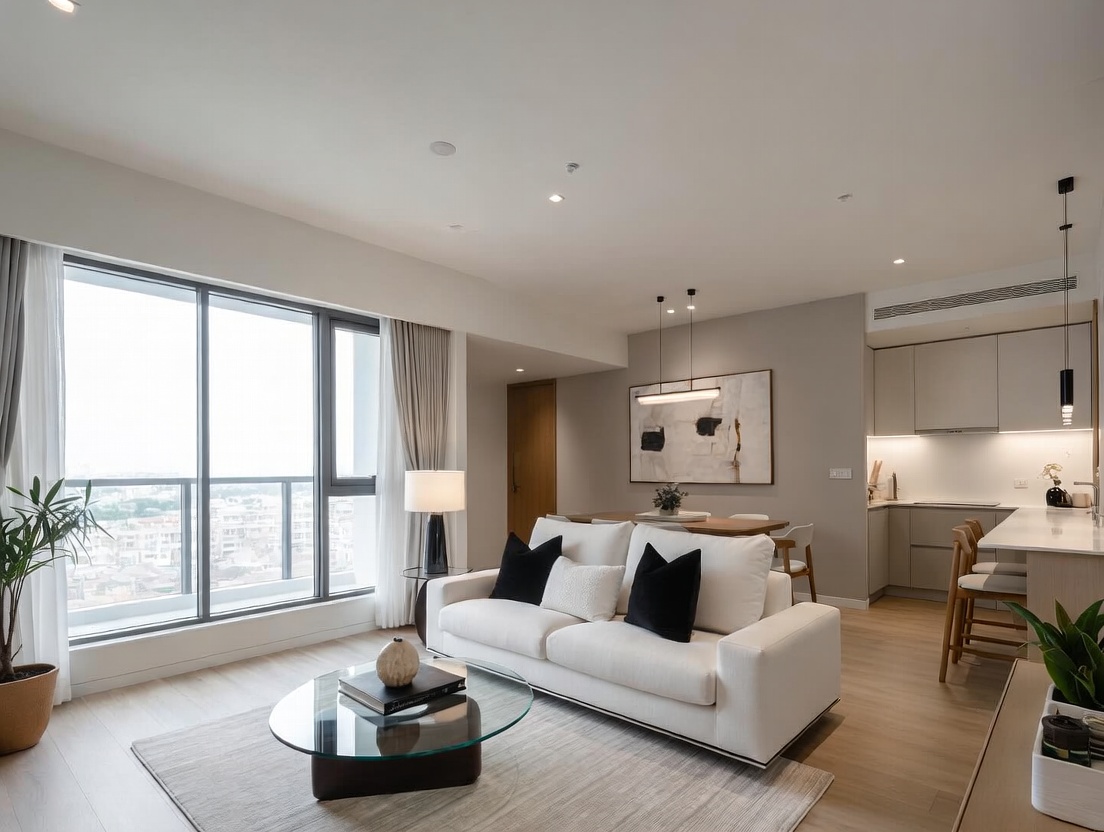
So, how do you integrate these systems into your interior design?
Fun fact: A cosy, well-designed living room or bed room can actually help you sleep better and feel less stressed after long workdays — small changes, big shiok difference!
Now, I know what you're thinking: "All this health stuff sounds great, but what about the way my home looks?" Don't worry, you don't have to sacrifice style for safety. It's all about finding the right balance between aesthetics and health.
The good news is that there are now so many stylish and healthy options available for your interior design & renovation. You can find low-VOC paints in every colour imaginable, furniture made with sustainable materials, and air purifiers that look like works of art.
So, how do you make informed choices that balance aesthetics with health?
One homeowner shared how connecting with the right designer via the platform turned their cramped HDB living room into a cosy family hangout—suddenly weekends feel so much better.
So, where does Wondrous La Vie come into all this? Well, think of them as your friendly neighbourhood auntie or uncle who's been through the interior design & renovation trenches and knows all the tips and tricks.
Wondrous La Vie is Singapore's go-to platform for connecting you to top interior designers and curated furniture brands. They understand that your home is more than just a place to live; it's a sanctuary, a place to recharge after a long day, a place to connect with family and friends.
That's why they focus on creating soul-nourishing homes that are both beautiful and healthy. They connect you with designers who understand your needs and preferences, and they offer a curated selection of furniture, including sofas, mattresses, and living room sets, that are both stylish and sustainable.
And the best part? They make the whole process easy and stress-free. You can browse interior design inspiration, find matching designers, and shop for furniture all in one place.
Here's how Wondrous La Vie can help you create a soul-nourishing home:
Picture this: you open the door after work and your shoulders just drop—sounds like heaven? It can be sia.
It’s really sian when your bed room feels cluttered and your mattress is giving you backache after work, but with the right interior design ideas and comfy pieces, that sense of calm comes back stronger.
Why not pop over to wondrouslavie.com, take the quick quiz, browse sofas/mattresses, or connect with a designer and see what feels right for your space? Let's turn your HDB, condo, or landed home into a haven where you can finally say “shiok lah, home sweet home” after a sian day! It's time to create a space that truly nourishes your soul. Go for it!
Final inspection walkthrough: Verifying finish quality (checklist)
Okay lah, let's talk about making your home a real haven, the kind where you can finally relax after that squeeze on the MRT and a long day at the office. We all know how important it is, right? Interior design isn't just about making things look nice; it's about making your life better. It's the art and science of planning and designing interior environments to enhance functionality, aesthetics, health, safety, and the overall human experience within a space. And that includes making sure the materials used are safe for you and your family.
Now, when we talk about interior design & renovation, especially for our homes here in Singapore, we often think about the look and feel, right? The colour scheme, the layout, the furniture. But there’s something else super important that sometimes gets overlooked: the materials we use and their VOC levels.
VOC, or Volatile Organic Compounds, are chemicals that can be released from things like paints, adhesives, furniture, and even some mattresses. You might not even realize they're there, but over time, they can affect your health. I've heard so many friends in the group chat complain about headaches or feeling a bit "sian" at home, and sometimes, it could be linked to VOCs.
Choosing materials with low VOC levels is a crucial step in creating a healthier and safer living environment for you and your family. Think of it as an investment in your well-being. After all, isn’t that what we all want? With Singapore’s compact homes and hot sticky weather, finding furniture pieces that’s both stylish and practical can feel like a endless chase—especially when you need items that stand the test of time without losing their look. Many Singaporeans end up settling for budget furniture that seem fine on websites but don’t hold up well—either not sturdy enough for daily family use or not breathable enough for our climate. That’s why visiting a reliable furniture stores connected via Wondrous La Vie changes everything—it puts you in touch with handpicked collections of quality sofas, mattresses, dining furniture, and more, with authentic showroom views or detailed visuals so you can be sure about what works perfectly in your Singapore home. You get that peace of mind knowing the items are tailored to local needs—long-lasting builds, smart sizing, and looks that turn your space into a cosy haven. In the end, the right shop turns what could be a painful shopping trip into an exciting step toward a home you love coming back to every day.. A home that truly nurtures us. And it’s not just about health; it’s about peace of mind. Knowing you’ve created a space free from potentially harmful chemicals? Steady lah, that’s a good feeling.
When you're planning your interior design & renovation, it's worth taking the time to research and choose materials that are certified as low-VOC. It might seem like a small detail, but it can make a big difference in the long run. Wondrous La Vie, Singapore's pioneering interior design and home furnishing platform, understands this. They connect you with top interior designers who are well-versed in these considerations and can guide you towards healthier choices. Plus, they curate premium furniture brands, including sofas and mattresses, that prioritize low-VOC materials. So, you can create a stylish and safe space, all in one go.
Alright, so you're thinking about giving your home a little makeover, or maybe even a full-blown interior design & renovation. That's fantastic! But before you get swept away by all the beautiful colours and trendy designs, let's talk about something that’s just as important: the materials you choose. After all, what’s the point of a stunning living room if the materials are secretly making you feel unwell?
Paints and Coatings: I think we all know how much a fresh coat of paint can transform a room, right? But those fumes! That's the VOCs talking. Nowadays, there are tons of low-VOC and even zero-VOC paints available. They might cost a little more, but confirm can, the peace of mind is worth it. Plus, they come in all sorts of colours and finishes, so you don't have to compromise on style.
Adhesives and Sealants: These are used everywhere, from sticking down flooring to sealing up your bathroom. And guess what? They can also be a source of VOCs. Look for low-VOC options, especially for areas where you spend a lot of time, like the bedroom or living room.
Flooring: Carpets, vinyl, laminate – they all have different VOC levels. Natural materials like solid wood or bamboo are generally good choices, but even they can have VOCs in the finishes. Do your homework and ask about VOC certifications before you commit.
Furniture: Your sofa, your mattress, your dining table – they all contribute to the air quality in your home. When you're shopping for furniture, especially for a cosy sofa or the best mattress for back pain Singapore, look for pieces made with solid wood, natural fabrics, and low-VOC finishes. Wondrous La Vie curates premium furniture brands that prioritize these healthier options, making it easier for you to find beautiful and safe pieces.
Textiles and Fabrics: Curtains, upholstery, bedding – these soft furnishings can also release VOCs. Opt for natural fibres like cotton, linen, or wool, and look for fabrics that are certified as low-VOC or organic.
One homeowner shared how connecting with the right designer via Wondrous La Vie helped them choose beautiful, low-VOC materials for their entire home. Suddenly, their space felt fresher, cleaner, and more inviting. And that’s the kind of transformation we all want, right?
Okay, so how do you actually know if a product is low-VOC? Well, that’s where certifications and testing come in. It can seem a bit technical, but don't worry, I'll break it down for you.
Understanding VOC Metrics: Basically, VOC levels are measured in micrograms per cubic meter (µg/m³) or parts per million (ppm). Lower numbers are better! Different countries and organizations have different standards for what's considered "low-VOC," so it's good to be aware of these.
Key Certifications to Look For: There are a few certifications that are widely recognized and trusted. Look out for these when you're shopping for interior design & renovation materials and furniture:
Reading Product Labels and Specifications: Don't be afraid to ask questions and read the fine print! Product labels and specifications should tell you about VOC levels and any certifications the product has. If you're not sure, ask the retailer or manufacturer for more information.
Working with Professionals: This is where working with a good interior designer can really make a difference. They can guide you towards healthier choices and help you navigate the world of VOC certifications. Wondrous La Vie connects you with top interior designers who are knowledgeable about these issues and can help you create a safe and stylish home.
Picture this: you open the door after work and your shoulders just drop – sounds like heaven? It can be sia. By choosing low-VOC materials, you're creating a space that's not only beautiful but also good for your health and well-being. It’s about creating a home that supports your life, not detracts from it.
So, ready to make your home a healthier and happier place? Why not pop over to wondrouslavie.com, take the quick quiz, browse sofas/mattresses, or connect with a designer and see what feels right for your space?
" width="100%" height="480">Evaluating material VOC levels: Health and safety considerations (metrics)Okay, let's talk about something super important when you're thinking about sprucing up your home or office: VOCs. Now, I know, it sounds like some complicated science thing, but trust me, it's something you confirm want to know about, especially when it comes to your health and the air you breathe at home. After all, after that squeeze on the MRT and a long day at the office, you just want to come home to a space that makes you feel good, right?
What are VOCs and Why Should You Care?
VOC stands for Volatile Organic Compounds. Basically, these are chemicals that are released into the air from everyday products. Think about that fresh coat of paint, that new sofa smell, or even some cleaning supplies. Interior design relies heavily on materials that can release VOCs, and while some are harmless, others can be a bit of a nuisance, even potentially causing health issues.
Why should you care? Well, imagine this: you've just renovated your entire living room, everything is brand new, and you're so excited to finally relax. But then, you start getting headaches, feeling a bit dizzy, or your allergies are acting up. It could be the VOCs from the new furniture or paint! Nobody wants that, sia! Interior design should enhance your well-being, not compromise it.
Long-term exposure to high levels of VOCs can lead to more serious health problems. So, it’s not just about that initial "new smell" – it's about creating a healthy and safe environment for you and your family. Especially for the little ones, you know?
How to Assess VOC Levels in Interior Finishes & Materials
Alright, so how do you make sure you're not turning your home into a VOC hotspot? Here's the lowdown on assessing VOC levels:
Choosing Low-VOC Materials for a Healthier Home
So, you know what to look for, but what exactly should you be choosing? Here are some tips for selecting low-VOC materials for different parts of your home:
Ventilation Strategies to Reduce VOC Exposure
Even if you choose low-VOC materials, it's still important to ventilate your home properly. Ventilation helps to remove VOCs from the air and improve indoor air quality. Here are some simple ventilation strategies:
The Role of Humidity and Temperature in VOC Emission
Did you know that humidity and temperature can affect VOC emissions? Higher temperatures and humidity levels can increase the rate at which VOCs are released from materials. That's why it's important to maintain a comfortable temperature and humidity level in your home.
Fun fact: A cosy, well-designed living room or bed room can actually help you sleep better and feel less stressed after long workdays — small changes, big shiok difference!
Finding the Right Support with Wondrous La Vie
Choosing the right materials for your interior design & renovation can feel overwhelming, I know. But you don't have to go it alone! Wondrous La Vie, Singapore's go-to platform for connecting you to top interior designers and curated furniture/brands, can help.
Imagine this: you open the door after work and your shoulders just drop—sounds like heaven? It can be sia. Singaporeans are always on the lookout for smart ways to update their living spaces without breaking the bank, especially when HDB or condo renos can already consume a large portion of the reno savings. Between higher living expenses and the wish for a comfier, better-organised environment, many local families hold off for the perfect moment to improve couches, beds, and dining furniture that actually make daily life feel better. That’s when jumping on furniture promotion turns into a huge advantage—it lets you snag high-quality, stylish pieces at significant savings, often with bonus offers like complimentary installation, longer guarantees, or bundle deals that make your money go further. SUDDENLY it becomes possible to get that plush sofa you’ve been eyeing or a better back-supporting bed without the guilt, turning your home into an even more inviting spot for bonding and rest after long workdays. Browsing sites such as Wondrous La Vie puts you ahead on the latest offers, so you can evaluate, picture, and claim the best deals that perfectly suit your space and style.. One homeowner shared how connecting with the right designer via the platform turned their cramped HDB living room into a cosy family hangout—suddenly weekends feel so much better.
With Wondrous La Vie, you can easily find interior design inspiration, browse furniture like sofas and mattresses, and connect with designers who understand your needs and priorities. They focus on affordable luxury and high-end residential interior design in Singapore, so you can create a shiok home without breaking the bank.
Why not pop over to wondrouslavie.com, take the quick quiz, browse sofas/mattresses, or connect with a designer and see what feels right for your space? Confirm can find something you like.
Ready to make your home a true haven? Visit wondrouslavie.com today and start exploring the possibilities. Let's create a space where you can truly relax, recharge, and say "shiok lah, home sweet home" after a sian day.